Share


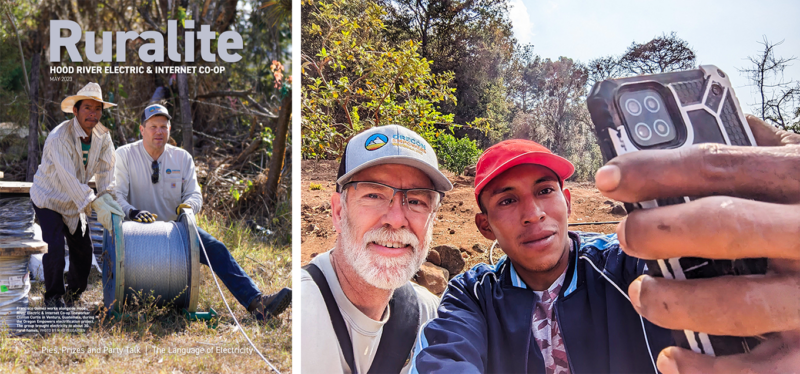
Pioneer Editorial Director Mike Teegarden led a session on mobile photography at NRECA’s 2024 CONNECT Conference in Baltimore. His picture, “International Teamwork,” won a silver award in the Spotlight on Excellence Awards. We asked him to share his big picture ideas here for Utility Pioneers who couldn’t catch his session.
Before heading out to shoot, let’s outline when a cellphone is a good choice. Cellphone cameras excel at the following types of photos:
While there are always exceptions, cellphones are not as good for shooting sports, wildlife or action photos.
Regardless of the camera I’m using, I always seek good light. This is something you can practice even without a camera. Take a moment to check your surroundings:
When shooting outdoors, I prefer to work close to sunrise or sunset. During these times, the sun is low in the sky, casting long shadows.
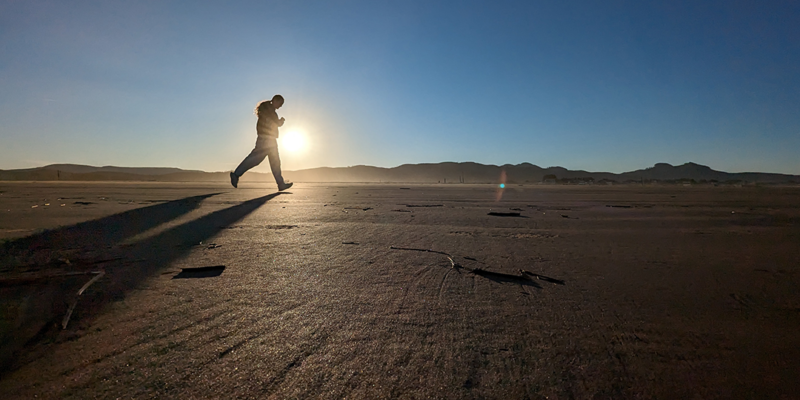
Midday light tends to create harsh, unflattering shadows that obscure faces. If I’m stuck shooting at less optimal times, I look for shady spots to work. The shady side of a building or the area under a stand of trees works well, especially for portraits.
Indoors, I often rely on window light. When possible, I turn off room lights, which can have a different color than the light coming from outside.
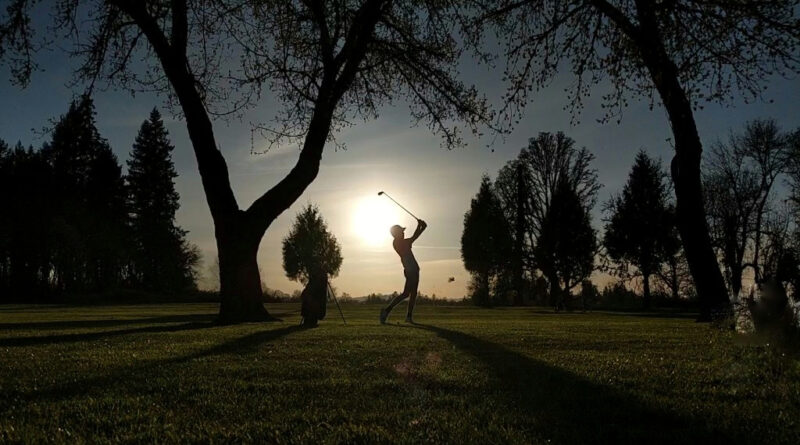
Once you become more attuned to the available light, start visualizing your photos. Imagine what would happen if someone—or something—walked into that beautiful light. Once you’ve identified that beautiful light, compose your scene and patiently wait for the right moment. I’ve been left behind by my family on many occasions while waiting for the elements of a photo to align. The payoff is usually a photo worthy of sharing.
Great photos come from combining beautiful light with great timing during special moments. Nothing here requires a fancy camera; a cellphone is a tool used to capture a moment in time when everything comes together.
Plan your photo shoots strategically. Aim for the best light of the day—early morning or late afternoon. Show up when the action is unfolding. I prefer to arrive at photoshoots when the subject is engaged in their activities. People tend to be more relaxed when they can go about their business naturally, leading to better photos. Avoid asking subjects to pose or recreate action artificially.
“If you want to be a better photographer, stand in front of more interesting stuff.” – Jim Richardson, National Geographic photographer
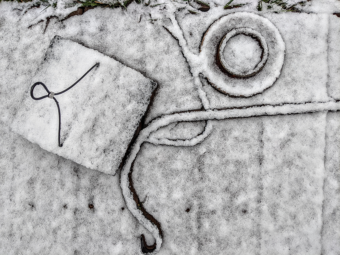
Mobile phones are handy for macrophotography—capturing the details of small subjects. Details and patterns can add color to your stories. Look for symbols and visual anecdotes you can add to the frame. Well-composed, detailed pictures support the overall story and plot. Watch for repeating forms, too. When looking at patterns and shapes, change your angle to see how it affects the composition.
My photography mentor, David LaBelle, tells people that the eyes eat first. An engaging image on a page will draw your readers in, so make it count.
During a photoshoot, I continually scan the area for good light, clean backgrounds and moments of action or emotion. Once I find something worth photographing, I work the scene thoroughly. This involves examining my subject from every conceivable angle.
I often walk in circles around my subject, evaluating the light and backgrounds. Remember that backgrounds are just as important as the main subject. A good background provides context without distracting from the focal point. Conversely, a cluttered background can detract from an otherwise great photo.
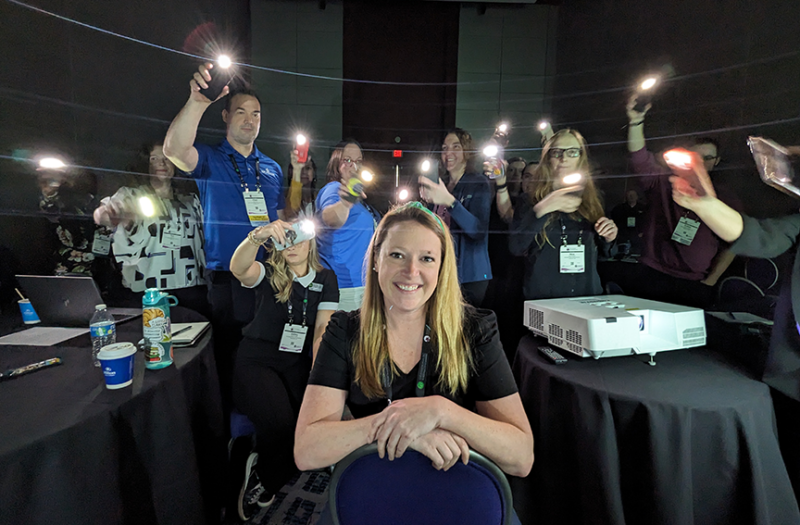
Do you connect and build trust with your subjects? While this is not strictly a mobile phone photography tip, it’s an important part of capturing stories. My success often hinges on the relationships I have with my subjects.
When preparing to join a team of lineworkers from Oregon for an NRECA International Program trip to Guatemala, I attended all the pretrip meetings and made sure the lineworkers knew I was there to help them document their trip. I put energy into getting to know them on a personal level, which helped a lot. During the trip, I also made a point of putting down my gear periodically and helping them as I could. They saw me as part of the team.
Because of these efforts, they were all quick to help me if they saw a photo opportunity and never complained about me constantly shooting photos of them, which made for some memorable shots.
Read about Mike’s Oregon Empowers Experience