Share


Pioneer’s Mike Teegarden documented the electrification of a village in Guatemala as part of a partnership between the National Rural Electric Cooperative Association and Oregon cooperatives. After the plan was derailed by COVID-19, the team was finally able to bring electricity to Ventura this spring. The hope, Mike says, is that this will save villagers money, help keep children in school and create business opportunities. This article was originally published April 7 in NewsData’s Clearing Up. NewsData is a Pioneer subsidiary, but is editorially independent.
In March, I made a long-awaited trip to Guatemala with a crew of lineworkers to bring power to the small rural village of Ventura. The project was a partnership between NRECA International and Oregon Empowers.
This was a bucket-list trip from the moment I heard about the program run by NRECA in the mid-1990s. The only problem was none of the utilities my communications co-op, Pioneer Utility Resources, serves were taking on projects.
 But things changed in 2019, when along came Oregon Empowers, a coalition of 18 Oregon co-ops and the Oregon Rural Electric Cooperative Association. Pioneer Utility Resources signed on as a sponsor, and I was invited to go on the trip to photograph the project. I filled out forms, made medical appointments, got shots and started learning useful Spanish phrases.
In November 2019, I flew to Guatemala with a small delegation to preview the project in a whirlwind four-day trip: two days of air travel, a lot of driving and four hours in the village we would be working in.
What I saw whet my appetite for the full trip. There were adobe huts in a jungle without power or many other modern amenities. The community was excited to receive us and work side by side to bring life-changing power to their homes. One man was drying new adobe bricks to build a store for the community in anticipation of our success.
The trip was quickly canceled, and the waiting began—again. I was crushed. I’m sure the community in Guatemala was too.
Sloooow forward to 2022, and COVID-19 was finally loosening its grip on travel. Oregon Empowers was given the green light to proceed with a project at a new yet-to-be-confirmed site. I filled out the forms again, no new shots needed—thankfully—and I renewed my Spanish language study.
I told my friends, “I’ll believe I’m going when I have a plane ticket in my hands.” Which finally happened in late February 2023. The planning began in earnest.
After waiting so long for this trip to come together, I felt an unusually high level of anxiety. My role was to document the trip and convey to the folks back home the impact of the work the lineworkers were doing. After too much time anticipating the trip, I had built up my expectations to an unrealistic level. I took a step back, reset my goals and packed my bags.
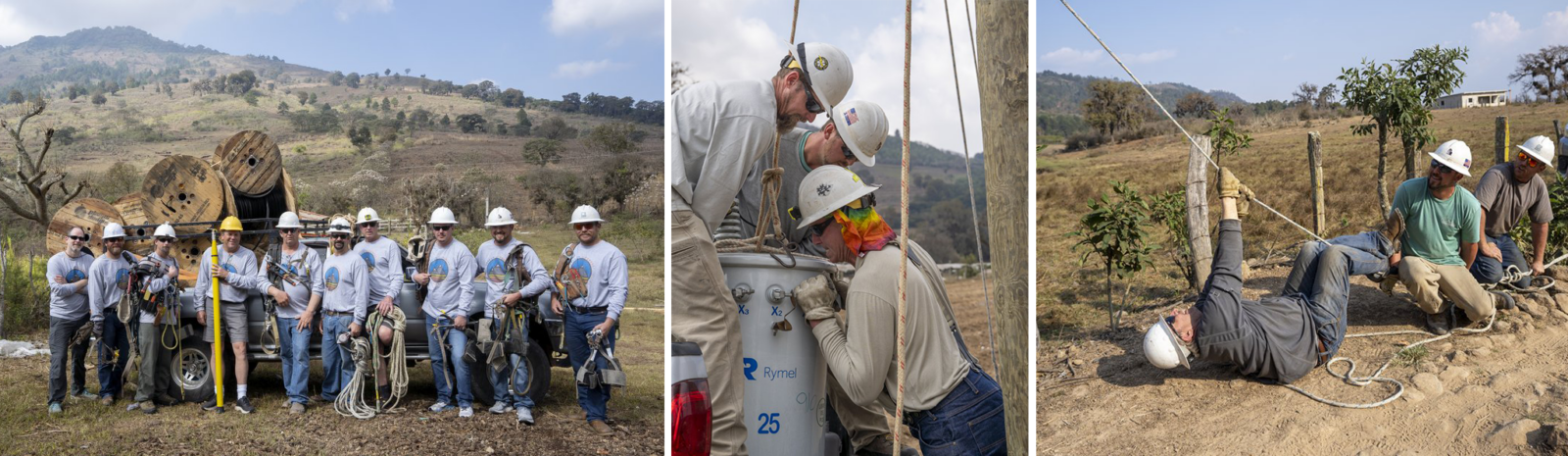
My first challenge of the trip was gaining the acceptance of the lineworkers. A few weeks before the trip, we all met during an orientation meeting. I needed them to see me as someone who was there to help them. I stressed that my job was to make them look good, and I needed their help. Once in Guatemala, I made sure to jump in when it was time to load and unload trucks and didn’t pass on opportunities for good-natured ribbing.
It worked. The guys were incredibly helpful, even letting me know when they saw something from atop a power pole that might make a good photo. They shared with me when family back home saw one of my photos online, and I could tell they were pleased.
Each day on the job followed a set routine. We stayed in a modest hotel in Jalapa, a bustling city about 30 minutes from Ventura. Breakfast was at 7 a.m. After breakfast, the crew set out in four Toyota Hilux trucks to a makeshift warehouse in Ventura. There, everyone discussed the day’s work and gathered materials.
Teams divided up based on tasks to complete and headed out. Most of the crew spent each day rigging poles and pulling lines. A smaller part of the team went from one home to the next, wiring them with four LED lights, two switches and two outlets. To our standards, this seems so insignificant. But for the families in Ventura, it was life changing.
I typically split my days between the two groups. In the mornings, I followed the crew building line. I watched them navigate deeply rutted dirt roads and barbed-wire fences, climb poles, and solve problems associated with not having their usual tools or materials. Most impressive to me was watching a group of highly skilled people who didn’t know each other until the trip work together as a finely oiled machine. Safety was the priority, and they took great care of each other. But most of all, they got along with each other.
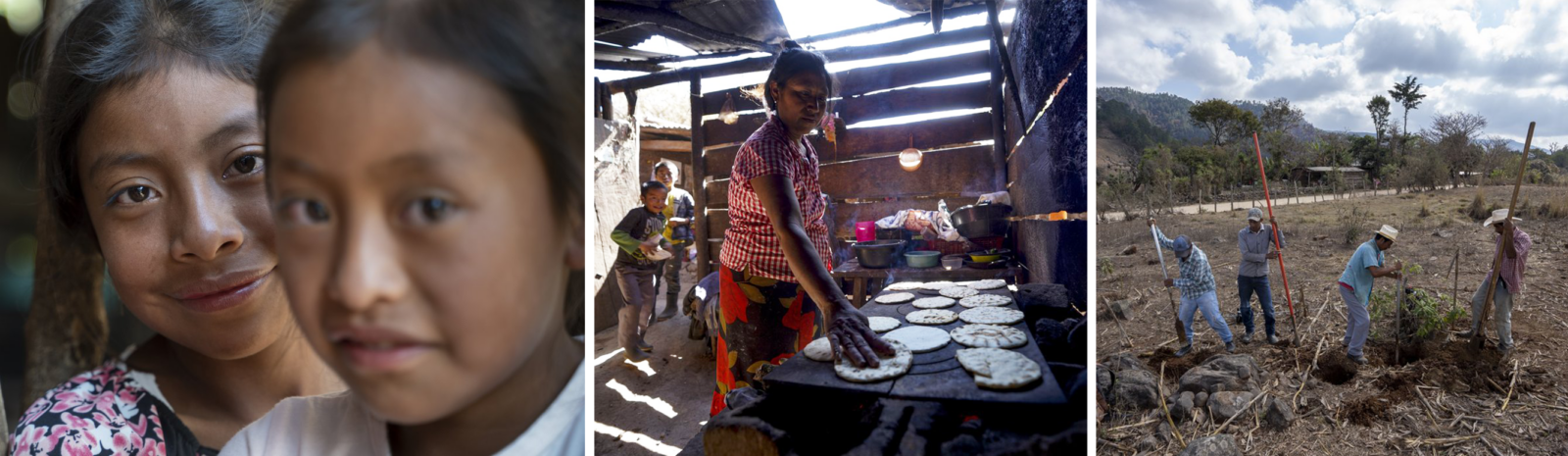
Following the house-wiring team provided an up-close experience in each of the nearly 30 homes we visited in Ventura. Three or four of us would stop at each home and find out where to place their lights, switches and outlets. Most of the small, rustic homes are built with adobe brick and consist of three rooms—two bedrooms and a kitchen—and a covered porch. The wiring is surface-mounted and strung along wood supports holding up corrugated metal roofing.
As the wiring crew worked, I used my limited Spanish phrases on the families while I made photos of them. The kids were fascinated with the work and kept a close eye on all of us. Most were not shy about being photographed, and I enjoyed interacting with them. Occasionally, I would hear the kids off to the side talking about us, often catching the word “gringo” followed by laughter.
The children were so polite. The crew brought a lot of small toys and gifts, from coloring books and pencils to soccer balls and slap bracelets. On more than one occasion, I watched children try to return items when they were done playing with them. They didn’t grasp that the toys were for them to keep.
I made my favorite photos while visiting the homes. You can’t imagine how the families there live until you see it firsthand: dirt floors and pitch-dark rooms with only a small window with no glass. There is little furniture other than a bed or two, a hammock, and possibly some drawers or shelves for clothing. There are no fancy baby strollers or carriers with Swedish-sounding names. I photographed one baby being carted around in a wooden crate designed to pack vegetables.
The kitchens—just a cooking area—are small rooms with a waist-high fireplace and a terracotta cooktop or a steel grate. The walls and low ceilings in most kitchens are covered in black char. The smell of smoke reminded me of camping and caused several of us to have coughing fits. Imagine a lifetime of inhaling that air. Respiratory issues are a common health issue for the villagers.
And that brings us to the reason for doing this project: We made small changes to improve the lives of people living in this Guatemalan village.
Electricity will save them money—the cost of electricity is less than what they pay now for candles, firewood and kerosene. Electricity frees the children to stay in school rather than be required to drop out and help with daily chores that can now be done with less labor and time. Electricity creates business opportunities within the community, from small stores to coffee-drying services. One young father was looking forward to buying his child a computer.