Share

We’re gearing up to celebrate the United Nations’ International Year of Cooperatives in 2025, so we’ve invited co-op cheerleader Adam Schwartz onto the podcast to help Utility Pioneers brainstorm how to tell our co-op stories in fresh, engaging ways.
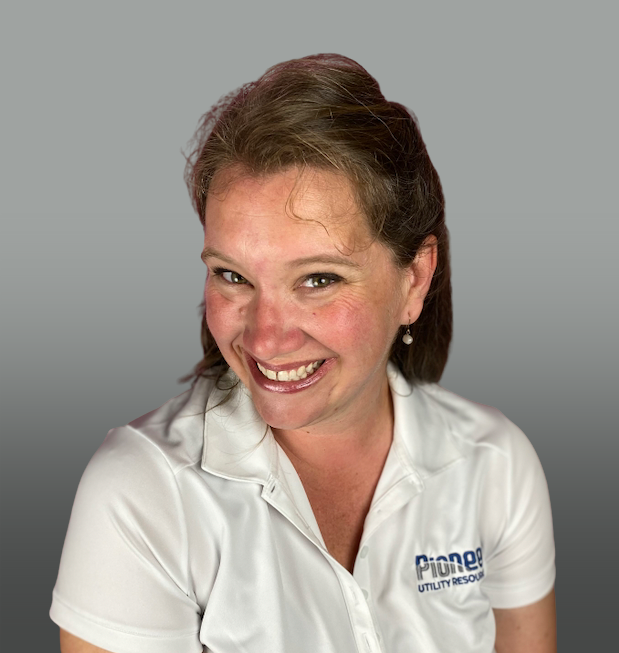
Adam Schwartz
Transcripts have been lightly edited for clarity and readability.
Andy Johns: Hello, StoryConnect listeners. This is Andy. Before we get to this episode, and it’s going to be a good one. You’re going to want to listen to. Megan has Adam Schwartz on. They’re going to talk all about co-op month 2024 and the year of the cooperative coming up in 2025, how you can be ready. But since I figured anybody listening to this episode is going to be interested in co-ops, I want to make sure that you’re aware that at pioneer.coop/coopmonth2024, we’ve got all kinds of materials available for you for free. They should be available now in this episode comes out. Where you can go ahead as a StoryConnect listener, you can log on there, get the files you need for a bill, insert a magazine article, a manager’s column. We’ve got social media posts, several different graphics, and other pieces of content that you can use to help celebrate co-op month. “Keep It Cooperative” is the theme that we’ve got for this year, and I wanted to make you aware of that right here at the start of the episode. So again, it’s pioneer.coop/coopmonth2024. There’s no hyphens, no underscores. It looks like “coop month 2024.” And I wanted to make sure that you were aware that that content is available for you. Thanks, and enjoy the episode.
Intro: A production of Pioneer Utility Resources. StoryConnect, helping communicators discover ideas to shape their stories and connect with their customers.
Megan McKoy-Noe: How do cooperatives build a better world? That’s what we’ll be talking about on this episode of The StoryConnect Podcast. Hi, I’m your host, Megan McKoy-Noe, one of the storytellers at Pioneer Utility Resources, and I am joined by one of the biggest co-op advocates I have ever met, Adam Schwartz. He’s the founder of The Cooperative Way and a member owner of Columinate, a shared services co-op for consultants. Adam, thank you so much for joining us today.
Adam Schwartz: Megan, thank you so much for having me. And as a big advocate as I may be, I am sharing this podcast with the one who is like-minded and like-hearted. So thank you for all you do.
Megan McKoy-Noe: We have been co-op cheerleaders together for a long time, but I have to tell folks, you and I had a very memorable meeting. It was more than a decade ago, maybe 14 years ago or so, when you imitated Clark Kent ripping off your suit and tie to show a t-shirt underneath with all of the co-op principles listed on it. It was amazing. I think you scared a couple of the new co-op communicators that were in the room, but I mean, it just shows you’ve got to wear your principles. You’ve got to know your principles. I’ve got to ask you, how did you fall in love with cooperatives?
Adam Schwartz: Oh, like so many of us, by happenstance, right. It was 1992. I was looking for a job, and a friend of mine worked at the National Rural Electric Co-op Association, told me about it and thought I’d be a good fit. And having grown up in New York City, working for the rural electric co-ops, wasn’t something I sort of dreamt about early on, but wow. What a beautiful ride that started. And so I just started learning more about co-ops, putting it together with some information that I had from earlier years. And my admiration and respect and joy that this cooperative business model brings to me and so many others, and I just want to share it with as many people as possible.
Megan McKoy-Noe: And you do it, and you’ve shared it for a long time. I should let folks know, now you are the founder, and you have been for the last few years of The Cooperative Way. And you have spoken at Connect and a lot of regional and national conferences about the cooperative model and cooperative culture. But when I met you, I was at NRECA, and you were at the National Cooperative Business Association. So you’ve worked both for electrics, you know, on that side of it with electric co-ops. But then you also worked with all co-ops nationally and have some amazing relationships there. So I love that you see both of those sides of the co-op story and now go around the nation preaching The Cooperative Way. We at Pioneer and at co-ops across the nation and across the world, are gearing up to celebrate the United Nations’s International Year of Cooperatives in 2025. I’m a little excited, Adam, about this. Like very excited.
Adam Schwartz: I can tell.
Megan McKoy-Noe: I mean, it’s fun. This is the second time that we’ve gotten to do this. So we’ve invited several co-op cheerleaders like you onto the podcast to help utility pioneers really brainstorm ways that we can tell our co-op story in fresh and engaging ways. This summer, I think back in June, they announced the theme for next year. It’s going to be “Cooperatives Build a Better World.” It’s almost the same theme that they used in 2012. That time it was “Cooperative Enterprises Build a Better World.” But I’m curious, Adam, what does the phrase “cooperatives build a better world” mean to you?
Adam Schwartz: You know, at the at the heart of it, as human beings, we all have very similar needs wherever we are in this world. And what do we want? We want good housing. We want good transportation, good health care. A good way to make a living. Good educational system. As human beings, our needs are very, very similar. And for me, what co-ops do is they marry the part of the human existence and our needs with an economic model that treats people fairly and really focuses on the people who are using the good of the service. And recycle the wealth of that enterprise back to the members who are using the service and the communities in which they live in. And so if we look, there are three basic ways we can run a business. You can have the for-profit investor owned model, the companies that exist on the stock exchange and in other places. Then you have nonprofits, those that are doing charitable work. And then you have the co-op model, which I think really exists in the in-between space. We have the heart and soul of a nonprofit with the fiscal discipline of a for-profit business. Because one of the things I will always ask in my sessions is, does our co-op need to make money? And yes, we need to make money, and we should not shy away from that. But we also need to make sure that we’re meeting the needs of our members, and it’s not outside shareholders. So we’re able to stay focused. And the business model works in every possible industry that you can imagine, with one exception, the military. I’ve never seen it in the military. But other than that, if you can think it can be done as a co-op and as the International Year once again showcases, it’s not just a US phenomenon, but a worldwide phenomenon.
Megan McKoy-Noe: Well, and something that you told me in a session years ago now, but I mentioned it and quote you all the time, hope you don’t mind, “where there’s a need, there’s a co-op.” And you see that there’s in so many different areas, you know, for utility pioneers, we are working with, you know, telephone cooperatives. We are electric cooperatives. We are broadband service providers. Some of us are also broadband cooperatives. And, you know, we’re used to that. But there’s a whole cooperative world out there. I try to shop co-op whenever we can. We have a grocery list that we put out last year to try to encourage folks to stock their utilities with co-op sourced food, because it’s all such a big part of the co-op story and who we are. I’m curious, you know, outside of our industry, how many different types of co-ops can be found in America? Do you know what kind of an impact they have on our economy?
Adam Schwartz: So the the number that we use in the US is roughly 40,000 co-ops and geographically dispersed throughout all 50 states and territories, in of every industry that you can imagine. To your listeners, if they put any milk in their morning coffee today, there’s an 86% chance that it flowed through a co-op to get to them. So yeah. So there was a publication a few years back that the National Co-op Bank did – a day in the life of a co-op. And really went through how many different times you could be touched by a co-op just in the average day.
Megan McKoy-Noe: So I’m going to switch gears a little bit and ask you about internal storytelling, because while many utility pioneers, we work for co-operatives, we don’t always tell our co-op story to our staff. Why does it matter to make sure your staff know your co-op story?
Adam Schwartz: Yeah, it’s absolutely essential. I was years ago, I was asked by a potential client to come do a co-op program that they wanted to go out to the members. And I said, you know, we got to have a time out here. We need to make sure that the employees understand this before we go right to the members. They’re the front line folks. They’re, you know, it’s the tellers. It’s the linemen. It’s those folks that are going to be out in the field connecting with the members. And if they don’t know the story, it’s going to be very hard for the members to believe it. So that is generally my first line that I suggest to folks. Let’s do some training with the employees to make sure that they understand, because many employees, you know, they end up working at a co-op, kind of like the way I ended up working. I needed a job, and I got the job, alright. And it’s then the education about this model begins that it’s not just a utility with a funny name, that there’s something behind what being a co-op means that the credit unions talk about members because members mean something. And in worker co-ops where all of the workers are the owners. It’s imperative that everyone understand the business model.
Megan McKoy-Noe: Yeah. Agreed. So to that end, Adam, you I know, have written about this. You do sessions on this. Can you talk about the seven steps that you’ve identified to really build a cooperative culture at your co-op?
Adam Schwartz: Right. So the first thing is making sure that people understand what a what a co-op is, right? That they have that baseline line knowledge and that hopefully that with that understanding becomes a belief, right. That, wow, this is a cool business model, and I really want to take the next step. And then starting to brainstorm. Well then how do we create that co-op culture inside so that people really do understand, believe and feel it? Then one of the things that I’m a big fan of is measuring it. Right. Surveying when you do an all employee satisfaction survey. Talk about how well we’re doing living up to these co-op principles. And the ongoing managing of it. It’s like safety at a utility co-op. You can never check the box and say it’s done. This is an ongoing process that we’re going to manage. Then I think we’re ready to go out and market it and make sure now that the members are getting it. And then, you know, it’s a constant feedback loop. All right. We’ve got to sustain it because it can’t be like flavor of the month. It has to be a real thing. We can use October which is co-op month, maybe as a good time to kick it off, but it has to be sustainable. One of the things that I look for when I visit co-ops and I visit a bunch, is, are the co-op principles in the lobby? You know, is it talked about? What does the boardroom look like? You know, what is the messaging? What are we saying to the employees and to the members about this business model? Having sessions about it, brown bag lunches, you know. Looking when we have an annual meeting, partnering with other co-ops in our community so that they can come to our annual meeting, and we can go to their annual meeting to talk about what we’re doing.
Megan McKoy-Noe: Yes, I love that.
Adam Schwartz: I can go on and on.
Megan McKoy-Noe: No, no. Well, I get excited because there are so many possibilities, and we do forget to tell that story. We have partnered with several utility pioneers over the last two years, specifically. I’m not sure why there’s been more of a focus lately on this, but on putting statements, putting the principles into their boardrooms, into their lobbies, and really designing storytelling tools about the co-op culture for the staff to see and for the members to see when they visit in person. And I know at pioneer, we were looking over all of our website and our materials and realized that we didn’t have our co-op principles listed on the website. And not just have the list of principles, but how we live those principles. So I think two years ago, we went through and added those in and said, this is how we do this. This is how we live out every single one of these to make sure that folks know it’s not just a list that we pop on there, but it’s something that we live. And we’ve paired with that training for our staff specifically in October to really get, every October, we get folks excited about it. We have webinars about the cooperative difference for our staff. We surprise our staff with a new custom t-shirt for co-op month every year, stickers that they put on things, you know, to talk about our communication co-op’s story and why we exist. You mentioned October, as you know, is National Cooperative Month earlier. What are some of the ways that you have seen co-op celebrate with staff during October specifically, right?
Adam Schwartz: So, you know, one of the things I think is a great thing to do is just have an open house, right? And welcome the members of the co-op to pick a day that makes sense, right? I love the idea that the Indiana co-ops did a number of years where it was a volunteer service day of all the co-ops. They picked a day in October, right. And showcase what we’re doing in the community. I love the what they do at Willy Street Food Co-op in Wisconsin. It’s not an annual meeting. It’s an annual meeting and party alright. Adding those words right. No one wants to come to a meeting, but everyone wants to come to a party. Make it a community celebration alright. There’s another co-op. I know that what they did, they were trying to boost attendance at their annual meeting. And one of the things they said to some charitable organizations that we’re going to take a vote at the annual meeting as to who’s going to get the largest contribution. So then you have the charitable organizations doing the co-ops work of trying to get people to come to the annual meeting because so that they would vote. So getting, you know, other folks excited about this and about what the opportunities exist.
Adam Schwartz: We are just this amazing bouquet, alright. And sometimes what happens when we work for a co-op, we get a little bit myopic in our view, because like when I talk about principle six to electric co-ops, it means mutual aid. The idea, which is a great, beautiful program, right. But let’s think about how we can expand it to like that relationship I mentioned with credit unions. If we’re going to do, if we have a co-op lunch, is there a food co-op in town? Let’s make sure we patronize that food co-op. Or if there is not a food co-op in town, let’s make sure we’re buying co-op products like the co-op grocery list. You know, I’ve been to events where the whole centerpiece was co-op food products, you know, things like that. It’s, you know, there was a wonderful book written many years ago, “Don’t Sweat the Small Stuff.” And the subtitle was “It’s All Small Stuff.” I love the book. I just don’t like the title because I think it is the small stuff. I think sweating the small stuff is what makes the difference. Doing the little things that we when we walk into the room, it’s branded. The products are co-op. We wear co-op logo apparel, things like that, that showcase that we’re proud to be part of this co-op movement.
Megan McKoy-Noe: So is there any other low hanging fruit, something that a utility co-op can do to kind of prepare for the International Year of Cooperatives? If there was like one thing that you think they should do.
Adam Schwartz: Right. So if there’s one thing that I would hope that all of your listeners would do is just start talking about it. Put it in your newsletter. All right. The internal newsletter that you have for your employees, and then put it in. And then a couple of months later, put it in the external newsletter so that in case anyone is asked about that internal at your staff meeting, just give it give it a few minutes of time. All of our co-ops, you know, have regular all staff meetings and department staff meetings. Don’t look that we have to reinvent the whole wheel here. We don’t. Your organization, NRECA, NTCA, ICA, NCBA, the whole alphabet soup of co-ops all have ideas of what we can be doing, making sure every new employee, when they’re onboarded, you know, gets something about the co-op business model. Because when people feel connected to their work, when they feel that there’s a purpose to it, they’re more productive. They’re going to be more helpful to each other and to the members as a whole.
Adam Schwartz: And there are many, many challenges that we continue to face in this country and around the world. And by showcasing this business model and how it can work and what I love about it, when we go back in our history, one of the original seven principles, and they’ve changed it a little bit over time was political and religious neutrality. We welcome everybody in. And everyone has something to contribute. Every one of the employees of every co-op was hired for a purpose and making sure that they know their purpose and how their individual role connects to the greater mission of the co-op as a whole so that they feel a sense of connection to it. I think gives us the opportunity to have supreme cultures in our workplace and to share those those benefits with the members at large. So I’m as excited as I’ve ever been about this co-op business model. And I look forward to making 2025 and long beyond that very cooperative years.
Megan McKoy-Noe: You know, when you were talking, it just made me think, wouldn’t it be fun if every time a new employee joined a co-op, no matter what kind of cooperative it was, if they got some sort of a welcome to the co-op world kit that included, you know, coupons from Tillamook and Cabot Cheese that included something from Land of Lakes. And if it would have to be coupons, fine. It could be snacks for their desk from Welch’s and Ocean Spray. But also maybe a coupon for their local Ace Hardware. $5 off next time you visit your Ace Hardware cooperative, some chocolate from Equal Exchange, which is a worker-owned cooperative. Something from REI. All the gift cards that Pioneer gives out for our contests, they’re from REI. Because any small way that we can support co-ops in general, we do. And if someone could see that and have the seven co-op principles, like some sort of a welcome pack that maybe we could create and any cooperative could use to welcome new employees. Adam, would that not be the most amazing thing?
Adam Schwartz: I love it, right. And just to showcase that they are working at a different kind of business. Because, you know, one of my stock questions I ask is, does anyone here study co-ops from grade school to graduate school? And I get very few positive responses. I’ve taught as an adjunct, and I will continue to support that as well. But we really need, it needs to start with the employees. And so welcoming that the way you just described I think makes absolutely great sense and will be a very yummy beginning for a lot of people.
Megan McKoy-Noe: Right. Yes, I think so. Let’s work together on building something like that because you’ve got the contacts, and we could make this happen, I think, for folks that like this idea. All right. I’m excited about this 2025. It’s going to be an amazing year. Adam, thank you so much for sharing your story, your co-op story, with utility pioneers. He is Adam Schwartz from The Cooperative Way. And I’m your host, Megan McKoy-Noe at Pioneer Utility Resources. And until we talk again, keep telling your co-op story.
Outro: StoryConnect is produced by Pioneer Utility Resources, a communications cooperative that is built to share your story. StoryConnect is engineered by Lucas Smith of Lucky Sound Studio.