Share


In the 1950s, managers at rural electric cooperatives in the Northwest faced a dilemma:
How could they provide the information consumers needed to make sound decisions about their utility in a cost-effective manner?
The solution lay in the cooperative spirit: pool resources.
 Ruralite, a magazine title with 46 zoned editions covering communities in Alaska, California, Idaho, Montana, Nevada, Oregon and Washington, marks 70 years of community storytelling in June. With a mix of shared and local content, the publication delivers engaging human-interest features, energy-related content, travel and photography tips, recipes, reader submissions and important information about electric service to a combined monthly circulation of about 362,000.
How does a shared publication work?
The process, refined over seven decades, moves smoothly now. But creating a cooperatively written, edited and published magazine wasn’t easy. It took time, innovation and a shared vision across state lines.
In 1954, Oregon’s 17 electric co-ops served about 30,000 members combined — “hardly enough to cover a minimum printing bill, let alone any kind of overhead expense,” according to former Klickitat PUD, Washington, Manager Emmet Clouse.
Oregon co-ops were not alone. Idaho and Washington electric co-ops served sparse rural communities, too. An economical, shared publication was needed to give rural electrification a unified voice in the region and keep consumers informed.
For five years, Utility Pioneers in the Northwest worked together to build a regional magazine. The group was led by Hank Alderman, a former newspaperman and Bonneville Power Administration employee. He became the first publisher of what evolved into Ruralite magazine, producing the first few issues with his wife, Hazel, from the kitchen table of their Portland, Oregon, home.
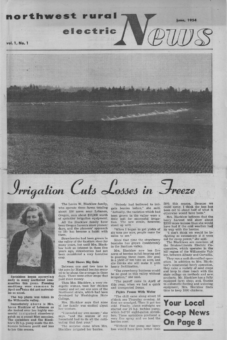
The eight-page tabloid-sized paper was distributed through subscriptions to cooperative members in Oregon, Washington and Idaho. About a dozen electric systems with an estimated 20,000 members subscribed the first year, including two utilities still sending the magazine to members today:
Alderman explained that the more members knew about their cooperative’s affairs, the more value they would get.
“[It will] keep you informed of cooperative matters, of the newer and better ways to use your electric power supply and enable you to participate more fully as individuals in the universal assumption of responsibility which we all have for keeping our region, our neighbors and ourselves supplied with low-cost electric energy,” Alderman wrote in the first issue.
Ruralite magazine serves the same mission today.
Six months after its birth, the publication became known as Northwest Ruralite. The name Ruralite was inspired by an Idaho co-op, Northern Lights, which used the title for its member newsletter before switching to the new cooperatively sourced publication.
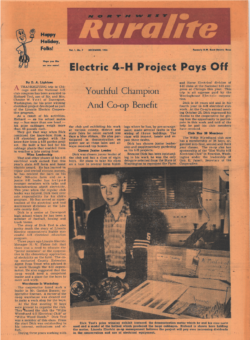
Interest and support from electric utilities in the region increased. Seven more utilities that remain subscribers in 2024 joined the effort between 1955 and 1956:
Interest and support from electric utilities in the region increased. In 1956, ORECA transferred ownership of the publication to a new, nonprofit communications cooperative that the statewide association helped form: Ruralite Services (now Pioneer Utility Resources).
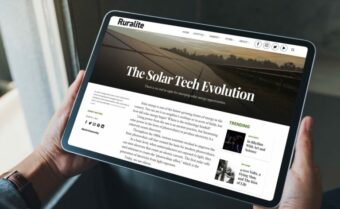
As the number of readers, utilities and states covered increased, the Aldermans hired people to help them produce the paper. For several decades the co-op owned printing presses and was based in Forest Grove, Oregon. In 2014, operations moved to Hillsboro, Oregon.

Over the years, the co-op publication evolved and adapted storytelling solutions to meet changing needs.
How do readers use the magazine?
A 2022 readership survey by American MainStreet Publications found Ruralite readers spend on average 34 minutes with each magazine, showing significant engagement with the content. The most popular stories are about energy topics (80%), closely followed by local stories (76%). Energy-efficiency tips, utility news and recipes are other popular topics.
“The survey found 77% of readers took action because of reading the magazine,” Pioneer SVP of Content Leon Espinoza shares. “These actions run the gamut, everything from cutting out and using recipes and sharing stories with others to making a home more energy efficient and attending utility meetings.”
Seven decades after Utility Pioneers met to find an economical way to reach members, Ruralite magazine still delivers on the shared vision and promised value.
The magazine serves as the legal means of notification for the utilities’ programs, policies and practices, and can be used to deliver annual reports, notify members of meetings, profile candidates for board positions and provide information that otherwise would have to be mailed.
While some of that material could be mailed independently, the cost of preparing, printing and mailing it would exceed the cost of the magazine — and some people could discard it before even looking at it.
Cooperation reduces the impact of rising costs. Pioneer advocates for magazine members, looking for ways to curb costs. For example, by routinely cleaning magazine mailing lists and using intelligent mail bar codes to manage returns electronically, in 2021 Pioneer saved utilities more than $40,000.
Since Pioneer is a utility-owned cooperative, magazine subscribers earn patronage, too. Just as many public power consumers receive patronage or capital credits based on how much power was used, the amount of member credits depends on the volume of communication services used – including magazines produced.
“It helps our members’ bottom line to not only keep costs affordable, but also to receive member credits as an added bonus,” says Pioneer CEO Michael Shepard.
Since Pioneer was founded in 1956, the co-op has returned $3.6 million in co-op member credits to utility members. By cooperating with one another, Utility Pioneers across the Northwest made Ruralite their solution to keep members informed, connected and entertained.
“For 70 years, the team at Ruralite magazine has been sharing stories about the people who power the Northwest and their efforts to electrify homes and businesses,” Mike says. “We have offered tips on using that power efficiently and safely, forming an essential line of communication between utilities and those they serve. We look forward to continuing the work that our founders began for many years to come.”