Share

As digital storytelling evolves, Coweta-Fayette EMC’s Tiffany Trueblood breaks down how her utility turned YouTube—with both shorts and long-form videos—into its top storytelling channel. Get practical tips on titles, B-roll shoots and handy tools to create video content.
Tiffany Trueblood
Transcripts are lightly edited for clarity and readability.
Intro: StoryConnect, a Pioneer Podcast, helps you discover ideas to shape your stories and connect with your community. Love this episode? Follow StoryConnect on your favorite podcast platform and YouTube so you don't miss your next great idea.
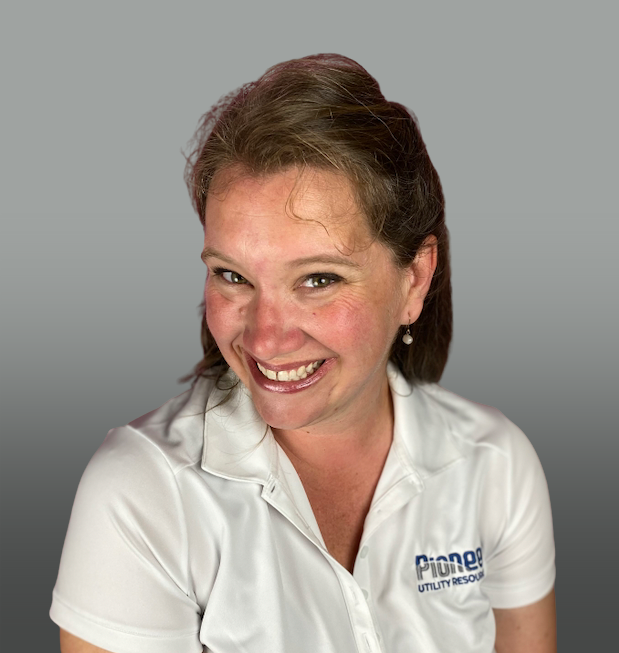
Megan McKoy-Noe: Shorts, DIYs, and smart TVs. Youtube's changed a lot since 2005. Has your storytelling kept up? That's what we'll be talking about on this episode of StoryConnect, A Pioneer Podcast. Hi, I'm your host, Megan McKoy-Noe, one of the storytellers at Pioneer Utility Resources, and I am joined by Tiffany Trueblood, communications and public relations manager at Coweta-Fayette EMC in Georgia. Y'all serve more than 90,000 members in a growing area about an hour south of Atlanta, just shy of that. And –
Tiffany Trueblood: Depends on the traffic day.
Megan McKoy-Noe: Depends on the traffic. It could be two hours. But I've got to say, Tiffany, you know this. I have a special place in my heart for Coweta-Fayette EMC because I grew up on your co-op's lines. Just y'all are my first co-op. You were my introduction to the co-op world, as it were. And we love showcasing what y'all are doing. We've had folks from your co-op on the podcast to talk about staff leadership programs, teacher training, and now we're diving into the world of video. Very exciting, I know. So let's talk about YouTube. It's the second biggest search engine out there right behind Google. How to searches are right at the top, with a growing number of home improvement enthusiasts searching for ways to make their homes and their lives really better. So what made Coweta-Fayette EMC go all in on videos as your top storytelling platform?
Tiffany Trueblood: Okay first of all, Megan, thank you for having me. You're one of our favorites too. So as always, you are one of our favorites. And so we're just going to get into the nitty gritty of it.
Megan McKoy-Noe: Let's jump in.
Tiffany Trueblood: So it all started, as all good things with a survey. And, you know, we love a survey. Co-ops love surveys.
Megan McKoy-Noe: Heck yeah, we do.
Tiffany Trueblood: Yeah. I mean, how do you know? And so we did our survey. And one of the questions that's always on there is, you know, how do you engage? What is your social media platform of choice as it was? And most time, we all know number one is Facebook because our demographic with our members tends to, you know, especially those who answer surveys tend to be a little bit older. You know, today is just, that's just how it is. And, you know, we are over 60% Facebook, which is kind of normal, but we looked at the second, and it was YouTube, which was over 40%.
Megan McKoy-Noe: Ooh.
Tiffany Trueblood: Which kind of surprised us in a way. You know, you hear about YouTube and everything, but then we're also thinking, okay, so 40% of our survey respondents who tend to track older are using YouTube. I mean, you know, say it in a nice way.
Megan McKoy-Noe: But yeah, so if they are using YouTube.
Tiffany Trueblood: If they are, then more people probably are. And so the other interesting thing, so we said, okay, this is a communications platform we're not using. Like most people, I think we use our YouTube is like, I like to call it like a hanger. It's where we would put things. We would put them there. And it's a housing place, sometimes we pull them out if we need to link it to somewhere or do something. But we weren't really taking care of it. We just put things there, forget about it. And we're like, you know, the biggest thing as communicators is you have to reach members where they are. And it was clear to see that members are there or leaning more towards that way. And the other part of that survey that was interesting was 50% of our members thought they were good with energy efficiency, which most people look at as like, "Oh, that's great." We looked it as like, well, then there's 50% who don't. And 50% to me is a failing grade.
Megan McKoy-Noe: Yeah.
Tiffany Trueblood: So we're like, well, they like YouTube. They're there, and half of them don't feel like they're doing well with that. And what's one thing that co-ops know about, especially electric co-ops? So whatever your co-op is, there's got to be something. Look at your survey data, and 50% may look good, but think of it the other way. Like, well, 50% of your audience has no idea or doesn't feel comfortable. So that's why we went that route, and we wanted to meet our members where they are, give them information from a trusted source. They trust us, our trust ratings, of most co-ops are always really, really high. They trust you. So let's lean into that and see where we are. And like when we started our, we started this really pushing YouTube as part of our communication strategy instead of just a hanger in the very first of 2025. That's how we kicked it off. And we kicked off, we were at 352 subscribers. I need to send all those people a basket for being loyal for that long. Or maybe [inaudible] they did. But I need to be like, hey you, you're the OGs. Thank you. And today we're over 2,300 subscribers, which I know doesn't sound like a big deal. It's not huge. But going for electric utility, we're giving information that's not always the most exciting. To us, that's a lot. I don't know, I'm really bad at math, so I'm gonna say it's like gabillion percent increase. I have no idea.
Megan McKoy-Noe: It is. It is 100%. Yeah.
Tiffany Trueblood: It was a lot, so every time we hit a milestone, like we hit a thousand during Christmas of 2025. We were literally our team on Christmas morning, we're like, I was like, hang on, that's a great present. We hit a thousand, and we're all texting each other. It was a Christmas miracle. So we celebrate those little wins.
Megan McKoy-Noe: You should.
Tiffany Trueblood: And now it's 2,300. And so our goal this year was is for 2026 is 2500. That's what we set. I'm pretty sure we will bust that. It's, you know, it's exciting. So that's what we made it for.
Megan McKoy-Noe: Everyone listening in right now. Go to YouTube. Go to Coweta-Fayette EMC, and subscribe. Help a sister out. Yes, that is exciting. And what's really nice about YouTube is folks watching your videos don't have to subscribe to you. It just helps. So you've had a lot more than 2,000 folks watch your videos too. So let's talk about your top ranking video. Which one has really hit home for your members so far?
Tiffany Trueblood: Okay. Well, you talked about that. Yes, we have the 2,300 subscribers. When we started the whole, our YouTube channel came to life. I use that in 2018. So from 2018 to 2024, it only had like 85,000 views. So that's, you know, over a multi-year period. And that's what it was because we were just, you know, hangering it. In 2025 to now, we're over 162,000 views. So that's just in a year and a half. So we've more than doubled the lifetime of this. Of those, actually, our number one video is a short. It is a YouTube short, and it's on winter thermostat setting a real quick one, just a real snippet. We took it from the long form video that had a whole bunch of tips, but we just did a short. And what's funny is we did that in January of '25, and we had no idea what we were doing. Not a clue. I openly admit it. Not a clue. We're like, what about these shorts things? Let's try it. And we put it out, and it kind of, it did a little bit and stayed kind of flat. And then November of '25, when it started getting colder, it started to pop up, and it got close to, you know, like 8,000 views. And like we were like, oh, that escalated quickly. And then by January, the year anniversary of that video, that's when we got over the 17,000 for just a little short.
Megan McKoy-Noe: Well, and talk to me about YouTube shorts in case folks aren't aware of them. They've been around for a little while now. They remind me of reels that you see on on Facebook and Instagram or videos that you see on TikTok. What are YouTube shorts, and why have they become so important for marketers?
Tiffany Trueblood: I love a good YouTube short because like most co-ops, getting on TikTok with our atmosphere, with our leadership, with board members. I mean, and our IT departments, you know, TikTok is kind of one of those words like, don't come here with that. So shorts is kind of my way to cheat. Actually, if you look at the information, YouTube shorts outperform TikTok a lot. YouTube and YouTube shorts is going way up in growth. Whereas TikTok is kind of getting a little static. And I think a lot of that has to do with the different demographics and what people go to TikTok for. TikTok has become a little less genuine in my personal opinion; it's a lot of people influencing and trying to sell stuff. Whereas people are going to YouTube for something, they're looking for something. And so what I love about YouTube shorts is it's just like a TikTok. It's just like a reel. It's a little short, you know, vertical video. And the great thing about them is you can use them on so many different platforms. Like if you know, you can take your short, and you can put it on YouTube. The great thing about YouTube is you can link that to your long form video. So people are like it. They're like, oh, there's a parent video to this. I can go see that. But then you can throw that out onto Facebook or Instagram or anything really easy. And then also you have a pre-done little, I mean, you basically got, it's not even a BOGO. It's like a Tri-GO. I don't know, you get a whole bunch out of it. You get a lot of out of something.
Megan McKoy-Noe: Are they limited 15 seconds? 30s? A minute?
Tiffany Trueblood: Youtube shorts has let them go. They go pretty long, pretty much as long as you want them to. The shorts, YouTube changed that here recently, so you are not really limited on your time anymore. I have watched shorts even because I'm one of those people. I watch YouTube in my living room. I am part of that demographic. And I mean, I've watched shorts on something I'm interested in. It's over a minute. So YouTube shorts, they've really changed that. The other wonderful thing about YouTube shorts is they are searchable through external sources. So YouTube and the Google, they go together. So they, if somebody searches for, if you go in and put in a search on how to insulate my attic and it says videos, Google will show you shorts that are on YouTube. So you get that really good bang for your buck. Where sometimes on Facebook it may pull it up, but it definitely pulls it off YouTube.
Megan McKoy-Noe: I love this. Now in order to have videos, you've got to have people in the videos typically. And a lot of your videos feature Scott Lee. He is Coweta-Fayette EMC's manager of energy services. And I was telling you earlier, he reminds me a lot of the dad influencers on TikTok. Like, you know, when they explain how to do basic things like this is how you tie your tie. Or this is how you change the oil in your car or whatnot. And he just does a really nice job of doing that, speaking from a place of experience and just breaking things down. I have to ask because getting folks on camera is always an interesting experience at a utility. Did you have to bribe him to get him in front of the camera? Did he go through any training, or is this just how he explains things?
Tiffany Trueblood: If anyone knows Scott Lee, they will know that Scott loves to talk. And he is a wealth of knowledge. He has been doing this for a long time, and he was easy. When we went, you know, when we started this, we're like, when we first started, we're like, we sat down with him and his team and said, what are the number one things we can do? Can we ask them? They're the ones that are, they go do home audits. They go do all these things all the time. They're in the fields. I'm like, what can we do to help make your job [easier]? What do you hear? But what's simple. And so we met with them, and we just kind of threw Scott in front of the camera, and he just went with it. You know, and right now he's been really busy because it's right now, it's summer in Georgia. So they're doing a lot of things.
Megan McKoy-Noe: Such a wonderful time.
Tiffany Trueblood: Some of his team are really busy. So we've brought in some other people from energy services. We're like, would you guys like to do this? And they're like, yeah, so a couple of our latest ones have a couple different people, and we have some other videos we do that are like, we call them green screens. We literally have a portable green screen, and we'll put an employee in front of it and talk about something, whether it's a program or why your winter bill is so high, which was a huge, huge short. Because I will add the other thing about shorts is a great way to get very valuable information out and very quick that people don't have to read. So we bring in different people, and what we love is, I think especially in today's AI world, the influencer world, all these things, people are just looking for real people. And when you put a real person in front of the camera, it shows. Like they want information from someone, like you said, that sounds like their dad. Or somebody who is just very approachable and natural. It doesn't have to be perfect.
Megan McKoy-Noe: No, it's better if it's not.
Tiffany Trueblood: Exactly. People want it to be genuine, so it doesn't have to be this polished person who sits there and talks like this. If you go watch any of our videos, a lot of people are pretty normal. They sound human, and that's what you want because we are – co-ops have a unique ability. We live and work with the people we serve. And so I love to hear our employees have done something like Willie. He's one of our supervisors of member services. And he did –
Megan McKoy-Noe: Willie Wiredhand works for you?
Tiffany Trueblood: No, it's not Willie Wiredhand. Don't call Willie that. He would be so mad.
Megan McKoy-Noe: Don't tell him. Don't tell him.
Tiffany Trueblood: Don't tell him. If anybody sees him, don't say that.
Megan McKoy-Noe: Okay.
Tiffany Trueblood: But he, you know, he did one, and he was like, y'all, I was at the store. And people were like, hey, we saw you telling us how to get ready for the winter storm! And I was like, how did you feel? He's like, well, I kind of liked it. [laughs] So, you know, they see these people out, so that is, you know, a wonderful thing. And it's just, and then they'll get shout outs like, oh my gosh, that we'll put on social, like, of course, put on Facebook and stuff and they'll be like, oh my gosh, you rocked it. You look so good. So it's fun. So have fun with your employees. If someone doesn't want to do it, don't put them there.
Megan McKoy-Noe: Because it'll show.
Tiffany Trueblood: You'd be shocked how many people, once they start seeing their friends around the office do it, they'll be like, well, I'll do it.
Megan McKoy-Noe: Have you had an audition's day for staff?
Tiffany Trueblood: We should. We should.
Megan McKoy-Noe: You so should. You should just have the green screen and. Yeah. You should. Anyway, all right, so at the start of 2025, as you were saying, you began sharing energy efficiency tips through a Watt Matters, W-A-T-T, long form video campaign. And you've seen a spike in views for your evergreen efficiency content. I was looking through all of it today. And you've got, I know you talked to me about attic insulation tips being a really popular one. The thermostat setting basics, which I think we were both like, why? But then I watched it, and like, he just is breaking it down. And he's like, you can't ask it to go 3 or 4 degrees more because then it makes all this other stuff happen, and you got to be smart. And I was like, okay, I can see why, like explaining this is good. So those rose to the top. You've got like HVAC hot tips, appliance, you know, like your fridge and your dryer energy savers. There's crawl space antics going on. What do you think drives these evergreen content views, and how can old content reach people who need it?
Tiffany Trueblood: I think a lot has to do with we are in, we like to talk about how most people would rather chat or do anything than have to talk to a real human and ask for help.
Megan McKoy-Noe: Which is sad. We humans are so nice.
Tiffany Trueblood: We don't like to ask for help. There's that. Tilley and I have given this presentation before, and one of the pictures is this guy, like in Home Depot, and he's got his phone looking for stuff. And, you know, the caption is my husband literally ten feet from a Home Depot employee, but he would rather do this than ask for help. And I mean, that's me. I don't know why. But so we're providing something that people want and to know how to, because things that we take for granted, no matter what your industry is, whatever you're in, there's things that you think people should just know, and they don't. And YouTube is such a great way. I know I have tons of projects for my husband, and I'm like, hey, go replace this whole–. Someone says something about our attic joists, I need you. Or is there insulation up there? And he's like, I don't know. And so he can search that and find. And that is the beauty. People you hear all the time, if you don't know how to do something, I'm YouTube educated. You know how to do it.
Megan McKoy-Noe: Yep.
Tiffany Trueblood: And so there's that, but I think it's also very seasonal. You know, like I said earlier on the thermostat winter tips, you know, it really started peaking up in November. And then by January, you know, it went cuckoo bananas every way because it was cold. Even here in Georgia, it was cold in January. Everybody was like, how can I save my money? And so it went. And I think with things like the attic efficiency, we did it as a series. We did it probably, and what's funny is it stays around a little bit. We did that probably March or April in '25. It's like a four part series. We just broke it down. Like, do you even need new insulation? What types of insulation are out there? What's an attic joist? How deep? I mean, all these things. Your attic door access. How do you do that? And you know, it did okay. Then all of a sudden, like this March and April, which is when people are getting tax refunds, and they're doing improvements, people are – it's not horribly Hades hot yet here in Georgia.
Megan McKoy-Noe: But we know it's coming.
Tiffany Trueblood: It was here. It showed up like a –.
Megan McKoy-Noe: It's here now.
Tiffany Trueblood: It's here, but it was coming. And so people were like, okay, how can I do stuff? And so that series, like all of a sudden, it just started popping up. And you know, that's the best thing about this is you really are meeting members where they are with what is important to them at that time. You know, we do things like a magazine. It may get there, you may put it out, and it's there a time. A Facebook post is there at a time, but it's hard to search that information. But on YouTube, like I said, you can go and Google and say, do I need attic insulation? And guess what's going to pop up? One of our videos, and then you go down that rabbit hole like, oh, well, there's another video here about this. So I don't know. So you go, and it's really, you know, I love the evergreen content. You know, I call it as I've done my presentation, I call it the Paul Rudd of content because it's always the same. It just gets better with age. [laughs] It stays consistent. And then it just, it never really changes because you're doing those facts, those basics, that people need to know that don't really change.
Megan McKoy-Noe: But I think a lot of that too comes to how you put the video out there. I mean, you could have a video that's amazing, but if you have a bad headline or a bad description, it's not going to get to anybody. So talk to me about the role that writing your video title and the description, how does that play into folks finding you?
Tiffany Trueblood: I'll even go a step further. It's even before you get to the words. Words are important, don't get me wrong. But also, we are visual creatures, and it starts with how it looks. You can make a thumbnail for your video. Don't just pick a random shot or don't let YouTube pick it for you, because it's not gonna be the most pleasant or flattering, and it's not gonna be engaging. If you go to our YouTube page and just Coweta-Fayette EMC, you'll notice all our thumbnails are bright. We just make them in Canva, they're bright, they're eye catching because you want to stop that scroll. That's your number one thing. If people are scrolling, and if it doesn't look good, then I mean, the rest of the video can just look like a normal video. It can just be Scott hanging out, and it just looks like a normal recorded with a phone or whatever, but you got to get it. So thumbnails visual are number one. Do that hook. I know it sounds cheesy and it looks weird, but you know, stop. What are you doing wrong with your ceiling fans? People are gonna stop and see what they're doing wrong with their ceiling fans. If it's just a guy standing there pointing a ceiling fan with no words, people are like, okay. No reason. Next words are important. Like I said before, with Google and the search analytics, the algorithms, I really struggle with that word.
Megan McKoy-Noe: Such a fun word.
Tiffany Trueblood: But with the algorithms SEO, all that. I am not even ashamed. I use AI for that.
Megan McKoy-Noe: Yeah no, it's a tool.
Tiffany Trueblood: Yeah. The computer overlords know everything. They know what people are searching for. They know where people are going and what things are going on. So I put in, I'll go into Copilot, Chat, whatever it is, and say I have a YouTube video, and it has. I'm trying to tell people how to use ceiling fans. I need scroll stopping high SEO content. If I'm looking for a certain audience looking to hit a male audience, younger DIY, and it will provide me things. And then I'll look at it, and sometimes I'll be like, no, that's way off. And then I can take things and make it my own. But it has those keywords and those things that it knows that the crawlers that the engines are looking for. So you can make it your own. But you know, that has helped a lot. So we use that a good bit. And like I said, you're really trying to get that search engine because most of our video hits are external. People are searching in Google. They're searching on YouTube. And if you don't have that in there for those engines to find you, it's not, and so really use the words. So visual, words, they go hand-in-hand.
Megan McKoy-Noe: So that's when folks are searching for something maybe on their phone or whatnot. But streaming is everywhere and a lot of different homes have smart TVs. I mean, it's how my daughter does yoga now. She's ten, and she has her favorite yoga channel, and we just clear everything away in the living room. But, you know, so a lot of folks are accessing videos on YouTube in a different way. How have you seen the way that folks access your video content change over the last few years?
Tiffany Trueblood: Okay. Yeah. Most of ours is still coming from mobile. Like half of our viewers are mobile, which makes sense because most of that is shorts. Shorts are 50% of our content, but 70% of our views. So it makes sense that that's our number one. But what interests me is over the last year, year and a half is we've really grown on 20% of our audiences watching on our TV, which tracks with YouTube. Living room streaming is one of their biggest things right now. And I know I do it. My husband and I, we will, we don't even, we have YouTube TV, but we also just watch YouTube videos. Like last night, he was watching something on woodworking and things, whatever. You know, that's the glory of it, you can find whatever you want. And again, it's like, you know, anyone that subscribes to us when they go on their YouTube, on their TV, if we have something new, it pops up. And that's why those thumbnails are so important because you gotta think also, how is your thumbnail going to look on a big screen? And so you have to have something that people are like, oh, what's that? So if you haven't, if you ever go to YouTube and you, if you have a streaming device, which most people do, just go to regular YouTube on your TV. Like not YouTube TV, but just the regular and just look and look at how things look. And, you know, it's fun because, you know, I'll be sitting there watching and, you know, there's nothing like watching one of your own videos just pop up. It's like, oh, that's one of ours. And it's just exciting. Your YouTube video on a big screen in your living room. And it's just so cool. And, you know, we've done that with different things. We've done it with anything we put on YouTube. And that also changes like kind of what we put on YouTube, and we can get to that a little bit about what the actual content is and how it affects how YouTube puts your information out. But, you know, it's one of those things that's growing, and it's actually growing with an older audience. Most people, I mean, people are looking and searching and there's, like we said before, there's 50,000 channels and nothing to watch. But with YouTube, you can pick what you want to watch. Like, you know, I grew up, and I'm going to date myself, I used to love when the Travel Channel was a travel channel, and it used to actually take you places. And now it's all like, I love a good Bigfoot story, but you know, it's all Bigfoot and paranormal. I don't know what that has to do with travel, but it is. And it's like, I love to watch travel places, so now I can go in. If you look at my algorithm and my things, it's all travel places and all these things. So it's like I don't have to wait on cable TV to show me what I want. And if it's somebody who's a real big DIYer or somebody who may be really wanting to know how to save money, and that's what they search for even on their phone, it'll show up on their TV because it's all under the same account. So you kind of have to take all those things into account when you're putting your content out.
Megan McKoy-Noe: I love that. Now being able to put content out means having the content, which is always exciting. Talk to me about B-roll background video images. How do you pull together the source files for so much content? You mentioned Canva once already, but are you using like the content libraries in Canva or Storyblocks or there's so many other services out there now, or are you generating some AI content for your video B-roll mix? What are you doing to get the source files?
Tiffany Trueblood: It's a little bit of everything. Of course, while we're most of the time, we're able to go in and find the things we want, you know, while we're on a shoot. Like we think in mind, like, okay, think of the B-roll because, you know, if you do have to have a plan when you do a video. It's just like writing a story. You need to have an idea. You have a storyboard, where you're going and what you're going to do and have an idea of like, okay. And sometimes you don't think of it until when you're shooting it be like, oh, it'd be great if you said that, that you opened up the refrigerator, and then we'd have a shot of the refrigerator. We recently did that, but no one wants to see the inside of my refrigerator because it's just, it's the inside of my refrigerator. And so we just did that. And what we did was we just took B-roll of a way healthier looking refrigerator than mine. So when that one comes out, you guys know that it's not Tiffany Trueblood's refrigerator, but you can think it is, but it is not. But you can get those. Yeah, you get that from Canva. We have a service that I love, there's many like it, but we call it Envato, and it's a subscription service, and it's relatively inexpensive. I think for the year, it's like 100 something dollars, but from that you can make it make AI videos. You can make it use AI voiceovers. You can make, and then they have tons of just standard video content, B-roll and stuff like that. I'm pretty sure that's where we pulled that really nice, healthy refrigerator from. But, you know, use those tools, and there's a lot out there. Now, we have done some things with AI, we've done AI videos, and they just don't do as well. AI fatigue is real, and people I don't think mind it if it's just like a quick shot of B-roll, because sometimes there was one we did on hunting safety, and there is hard to believe there are no videos of a deer walking through a field with power lines. I mean, maybe that's what I need to do as a side hustle is go do that and sell it. But so I had Envato make that for me. AI it was a real quick little snippet, so it got put in and no one noticed it. So I asked people like, can you find the AI in this? And they had no idea. So I use it sparingly for that type of stuff, sometimes for a voiceover. But then again, AI fatigue is very real. They want to hear real people, real voices. Most everyone, including myself, hate how we sound. But that's how you sound.
Megan McKoy-Noe: You're so funny.
Tiffany Trueblood: Unless you're going to be –
Megan McKoy-Noe: Also, you mentioned shoots that you're doing. Do you schedule your content? You know what's coming, and you have one shoot for several different videos and shorts? Or do you do it once a month?
Tiffany Trueblood: Well it depends. So we have a communications calendar. Most people have a communications plan. If you don't, I highly suggest a communications plan.
Speaker 5: If you don't, talk to us. We can help.
Tiffany Trueblood: And yeah, we'll look and see and like, you know, there's certain things. Like, you know, when we did the attic series, we knew we were going to run it near March or April, but we couldn't film it when we thought about it because our, you know, energy services reps would die. I mean, it's so hot in those attics. So you have to think of that when your shoot schedules are going to be. We just did a bunch of, we actually just did five on one day. We used my house, my very healthy refrigerator. But we did like five different videos in one day.
We were done by 11: 00. We started at 9:00, got in there. We had our ideas. We had our scripts ready. We had our speakers. They brought a change of shirt so it didn't look like, you know, they were all just hanging out at my house all day. And it really, you know, it works. And then we'll say, okay, we'll go ahead and shoot it now because we have it, but we'll hold it to when we need it. You know, that's what you do, so you do have to plan for it. But, you know, most of the times it's part of that. We'll look and see. Sometimes we'll go to members' homes. So we'll ask, you know, our ESR Scott and his team be like, okay, if we film this, do you have somebody that has that? Like, yes, we know somebody exactly where we could do that at. So it depends on the seasonal of it, but it's all part of a plan.
Megan McKoy-Noe: I love it.
Tiffany Trueblood: Have the plan.
Megan McKoy-Noe: I love that you've got a plan, and you've got a dedicated staff person there to help you with that. Not everyone does.
Tiffany Trueblood: Yep.
Megan McKoy-Noe: Y'all are lucky. But are there apps out there that you really love that can help utility, that get the videos of their story out there, even if they don't have a professional videographer?
Tiffany Trueblood: Yeah, I think, you know, as communicators, we kind of get into this, and I think a lot of it may come from outside resources, whether it's, you know, leadership or whether we think everything has to be perfect. And the glory of video is it doesn't. I mean, there's a time and place. If you're filming a CEO doing something, you want it to look nice and polished and professional. But if you're doing like these type of things, like YouTube explainers, people don't want it to look staged and perfect. They'd rather it be real. So you, I mean, shoot with a phone as long as you have a good phone. Not like a 1998 Nokia, but like a, you know, a modern smartphone. I think most of us have that, but you never know. You shoot it with that and just make sure you know, and then, you know, when we did those shoots at my home, you know, before, when I said when we started this, we didn't even think about shorts. We're like, oh, we'll just cut the video we got, make it a short, and it worked. But now we're going in like, okay, it'll take us literally just an extra three seconds to frame it up vertical, so we'll have a short. And basically it's the same thing. We change the wording up a little bit, but it's the same message, but just a little tiny bite size. You can do that with your phone; just go from like this to this, and you're done. And for editing, we use Premiere, which is an Adobe product, but things, if you don't know that, you can do most of all this in, I mean, for a YouTube video, you can use CapCut. You can use Canva. They have all the graphics and stuff now. I mean, we are literally in an age where communication is pretty easy, just and the tools are there. I think sometimes we just overthink it and think it has to be that perfect Emmy winning home efficiency. No friends, it does not. Just work with what you have and find some time to block it out. Do a whole bunch at once, and save them for when you need them.
Megan McKoy-Noe: I love that. So if a utility wants to increase their member traffic to their YouTube channel, really focus on it like y'all started doing in early 2025, and you've seen such great rewards since then. What steps would you recommend? Where should they start?
Tiffany Trueblood: Really look at your page and look at it honestly. Show it to a couple people and say, would you want to be here? And people are probably gonna say, no. Look at your page. If it is just nothing but annual meeting speeches for the last five years, no one's going to want to be there. Let's just be honest. So quit using YouTube as a hanger. Make it a hub. Make it where people want to go. Make it where the action happens. Make it where people want to get on your plane, and you take them somewhere that they need to be. Don't just put them in a hanger where it's dusty, and it looks like no one's been there. I'm not even going – Spirit Airlines; I don't even know. But don't make it look low. You want it to look alive because that's what social media is. It's alive. And I think people have done really well with their Facebook pages, but they forgot about the YouTube page. And just because you don't think your members are there because you're like, well, we only have like ten people coming to our page. I'm like, do you have a reason for them to be there? So biggest thing is create content, whatever it is that you're good at. Whether go back to your surveys and see what people want to know about. Whether you're in the I mean, if you're in a dairy co-op, you have so many amazing things, so many. I mean, there's –.
Megan McKoy-Noe: You can milk that content for.
Tiffany Trueblood: You can. I see what you did there, but it's great. But I mean, go look and see, what I mean. There's that, I mean, people have niche things they love. Like the guy that's a farrier who goes out and does cow feet cleaning. That's a whole, that's one of the fastest like things. You're like, what is this? So make a fun thing about your cow ladies, you know, and like our cows are – whatever. Do something fun. I mean.
Megan McKoy-Noe: Yeah.
Tiffany Trueblood: Show them the inside view. Like, you know, the, I don't know how many people do the, how it's made thing. I mean, that was a whole series. People still love it, and it's still great. And that's what –
Megan McKoy-Noe: I want to know how a modem is made. That would be cool, or you know how – right? And just dive into how it works and yeah, just offer solutions for folks.
Tiffany Trueblood: Look at what people are watching. And so like I said, we knew for us energy efficiency was it. It's the DIYer. It's what we know. We want people to use less of what we sell. So let's put it where they're going even though. And so make it pop – thumbnails, relevant content, make it look good. But also when you're in there, when you go on your page, see how it looks. So if somebody goes to your video and then they click on your page, they have to decide at that moment, do I want to follow those people? Or just if it pops up, it pops up. So we have very organized playlists. So if you look at our page, it's bright. We have "watts matter" shorts. We have "watts matter" videos. We have Spark Zone. We have, then we go a little bit more into the community stuff because honestly, that's not what people are going there to watch. They're there for the what's in it for me? Or to get something, to gain something. So while those are great, and we do want people to know what we do, that's not what's going to get them to the page to start going down those rabbit holes. And those playlists are great because once somebody gets on a playlist, if you're like me, next video, next video, next video. And so playlists are really, really important. And don't be afraid of advertising. You know, we do promote videos, especially when it comes to certain times of year because we want people to do it, and it works. And I will say, if everyone else is with me, the meta of it all. But I do find YouTube advertising is way easier than the other ones. We literally can spend 25 bucks a week on a video, just $25. And well, for example, we did a mini-split video on just a long form split video. I spent 15 bucks on it for five days. We got over 30 something thousand impressions, 650 views, and over 200 subscribers from mini-splits. And it cost me 15 bucks.
Megan McKoy-Noe: Well, and that's one of the cool things about YouTube right now in 2026. It's one of the most affordable digital advertising channels right now. That might change in 2027, but right now, it's like $4 or $5 per thousand impressions. It's crazy.
Tiffany Trueblood: Yeah. We did a pool pump video, which, you know, not everybody has a swimming pool, right? I mean, I don't. I would love one, but I don't have one. But we did a pool pump. I did the same thing. Like 20 bucks for seven days, 1,200 views, 400 subscribers for $2-025 bucks. I can do the same thing on Facebook, and that's a long form video; that's not even just short. That's somebody has to sit there and watch it, and we can put the same thing on Facebook. I did a comparison like a little beta test on myself, say, okay, I want to do the same thing here, same thing here. Where are the results? YouTube way outperformed. They give you much better analytics. I can see age, where they live, where they stopped watching, where they're at. Did they stay around like that pool pump one? 100 people kept watching more videos we did. So it's like you can see all that detail, which Facebook is hard. You don't get, you get maybe age, maybe the sex, and then odds be in your favor what else you get. But with YouTube, it's very smooth. Like I can see where they stop watching, where they're from, what key search word did they use? It's amazing.
Megan McKoy-Noe: The search word is a big one to be able to have, because that helps inform your future content. I love it, love it so much. Tiffany, you and I could talk all day because, and we have in the past.
Tiffany Trueblood: I'm so sorry people.
Megan McKoy-Noe: No, no, but it's so exciting, and I love hearing about this. Thank you so much for sharing your story with utility pioneers. We'll have to pick this conversation back up soon because I always learn every time I get together with you. Y'all, she is Tiffany Trueblood from Coweta-Fayette EMC, and I'm your host, Megan McKoy-Noe at Pioneer Utility Resources. And until we talk again, keep telling your story.
Outro: StoryConnect is a production of Pioneer Utility Resources. Send questions to hello@pioneer.com and learn more about our member owned marketing agency at pioneer.coop.