Share


Just when you thought you had your social media strategy figured out, Meta changes the rules.
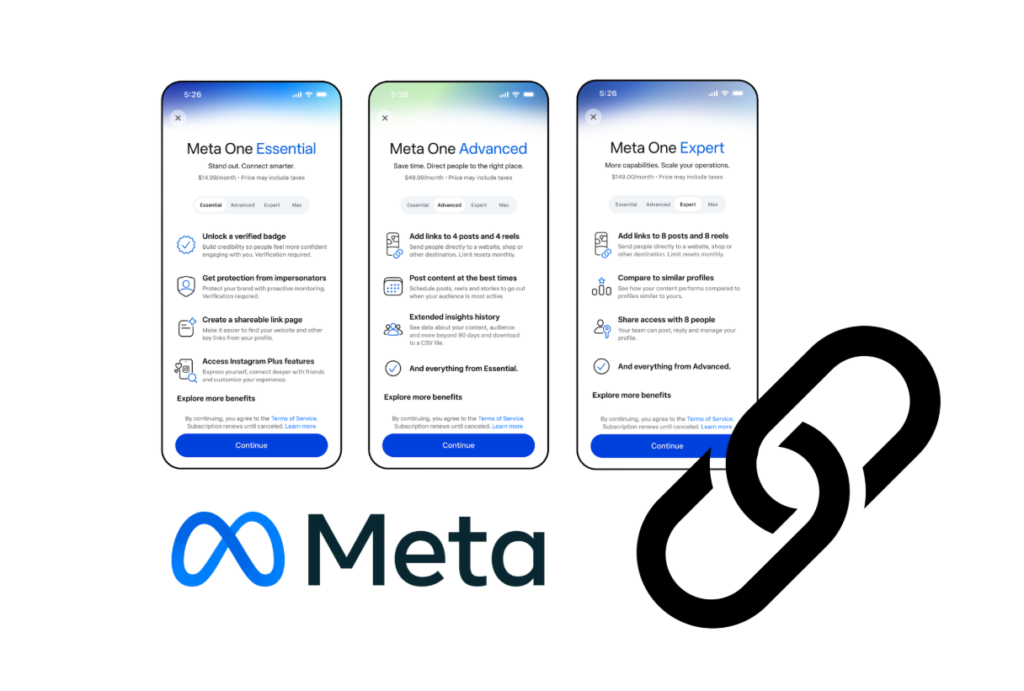
In September, Meta announced Meta One, a subscription service for creators and businesses. Along with new paid features, Meta is adding restrictions to some Facebook and Instagram accounts, limiting certain pages and profiles to two external link posts per month.
For utilities and broadband providers that use social media to share important information with members, that could be a big deal. If your utility uses Facebook to send members to outage information, payment options, magazine stories, news or other resources, here’s what you need to know and four ways to make those links count.
Here’s what we know right now:
Most likely.
The restrictions affect unverified Facebook Business Pages, profiles using Professional Mode without a paid verified badge and other accounts that aren’t subscribed to higher-tier paid plans.
That means many community-owned utilities and broadband providers could find themselves choosing which links are important enough to make the monthly cut.
Let’s be real, two links a month doesn’t cut it when you’re trying to share outage updates, energy-efficiency resources, payment information, broadband news, community programs and everything else your members or customers need to know.
We don’t know yet what the long-term impact of these changes will be, and Meta could change how the restrictions work. But there are things you can try right now.
1. Try posting from a web browser. The two-link limit currently appears to be enforced when posting through the Facebook app. We’ve still been able to add links to post copy when using Facebook in a web browser. Don’t build a long-term social strategy around this loophole. It could disappear. But for now, it’s worth knowing.
2. Put important URLs on your graphics. A URL printed on an image isn’t clickable, but it can still point members in the right direction. This works best with short, memorable addresses such as yourutility.com/outages or yourutility.com/pay rather than a long URL that’s hard to type into a browser. If you haven’t already created short URLs for your most important member resources, this is a pretty good reason to start.
3. Take advantage of pinned posts. Got an important resource members need regularly? Instead of publishing another post with a link, consider keeping important posts pinned to the top of your Facebook page and adding updates to the pinned posts as needed.
4. Tag instead of link when you can. Not every post needs to send people to a website. If you’re sharing information from another organization with an active Facebook presence, tag its page instead of automatically linking to its website. Save your limited external links for the times when getting someone to a specific webpage really matters.
The overarching idea with all these suggestions: work smarter, not harder. Make your organic content more useful so people can get the information they need without following a link and leaving Facebook.
Not necessarily.
Before adding another subscription to the budget, look at how your utility actually uses Facebook.
How many external links do you typically share each month? Which ones generate meaningful traffic? Could some posts accomplish the same goal without a link? And which links are important enough that members really need an easy path to your website?
Those answers can help you decide whether a paid plan is worthwhile or whether this is an opportunity to rethink how you’re using Facebook in the first place.
What does this mean for Pioneer Social?
If you use Pioneer Social, we’ve got you. Our team of social media account managers can help you answer the laundry list of questions above and then some. We’re actively keeping an eye on changes, so you don’t have to spend your day figuring out Meta’s latest plot twist. Not a Pioneer Social member (yet?) Give us a shout at hello@pioneer.coop to learn more.

Our team is testing how the new link restrictions work in practice, including differences between posting through the Facebook app and a web browser. We’re also looking at how we can make the best use of available links, use graphics and tags when they make sense and adjust our approach as Meta’s rules change.
For now, we’re not treating every social post the same. A link to critical outage information, for example, has a very different job than a link to a community story. We’ll keep looking at the purpose of each post and the best way to get members where they need to go.
As we learn more about Meta One and its impact on utility pages, we’ll share what we find and adjust Pioneer Social strategies as needed.
That was true before Meta One, and it’s even more obvious now.
Facebook and Instagram are valuable ways to reach your community, but Meta makes the rules on Meta’s platforms. Algorithms change. Features disappear. And now, something as basic as sharing a link can come with a price tag.
That’s why your communications strategy should not depend on any single channel.
Your website gives members a reliable home for the information they need. Email marketing gives you a direct path to their inboxes. Print newsletters and magazines reach people without asking them to follow an algorithm. And social media can help connect all those pieces while meeting members where they already spend their time.
A member might first see an outage update on Facebook, read the full story in your newsletter, click through an email about a new program or head straight to your website to pay a bill. The goal isn’t to make every channel do everything. It’s to make them work together.
And that’s something we know a little bit about.
At Pioneer, we help utilities write, design and publish stories together across websites, social media, email, print and more. So, while we’ll keep watching what Meta does next, we’ll also keep helping our members build communications that don’t rise and fall with the latest platform change.