Share


As ChatGPT and other AI-based tools hit the mainstream, some content creators are testing the marketing waters with artificial advertising. Have you considered the same? Here’s what three brands have done so far and lessons we can (hopefully) learn from their experiences.
Actor and businessman Ryan Reynolds asked ChatGPT to write a Mint Mobile ad in his own voice. He used several clear, focused prompts:
“That is mildly terrifying … but compelling,” the actor said after reading the copy.
Takeaway:
The future of AI-supported advertising lies in how we write and refine prompts — but prompts don’t fix everything. Although you can ask AI for ad copy or poetry, don’t expect brilliant prose. The results, even though they may be helpful, will need to be edited to match your tone and core message.
Alphabet
Alphabet, Google’s parent company, created an ad to launch Bard, a chatbot they developed to counter the popularity of ChatGPT. When Bard’s first ad showed the chatbot in action, there was a factual error— the James Webb Telescope did not, as claimed, discover exoplanets. The company’s market value dropped by $100 billion the next day.
Takeaway:
Review, review, review. AI tools don’t really know anything; they pull information from everything posted on the internet. And not everything shared online is true. Fact check all AI-generated content.
Pepperoni Hug Spot
“Are you ready for best pizza of life?” That’s how this ad for a fake pizza spot begins, and it’s blowing minds. Consider the content sources:
My favorite part is at the end, “Like family, but with more cheese.” The copy is so bad, it’s comical. The voiceover, sounding like a man deeply committed to the pizza experience, was one of nine artificial voices. Sure, the video of people enjoying pizza seems at times disjointed. The mouths move in strange, unnatural ways that creep me (and MANY others) out.
But consider this: many of the AI tools used to create the ad did not exist a year ago. This ad for a pizza joint that does NOT exist got so many folks talking, the creator launched his own website and merchandise.
How could AI evolve as a marketing tool? Pepperoni Hug Spot delivers a pretty good idea.
Takeaway:
Consider AI an evolving tool. Just as searching for information became easier when Google was introduced, creating ads with artificially generated images, video and voices could make your job easier. But we’re not there yet.
Next AI Steps
Pioneer, your communications co-op, was created to help utility members pool resources and save money while effectively engaging consumers. We love leveraging new technology to help you meet communication goals, including:
Our member solutions team is monitoring the development of AI-based tools to see if (and when) it makes sense to use them to save time and generate creative content. We’re not ready to open a pizza shop yet, but we’re here to help you experiment.
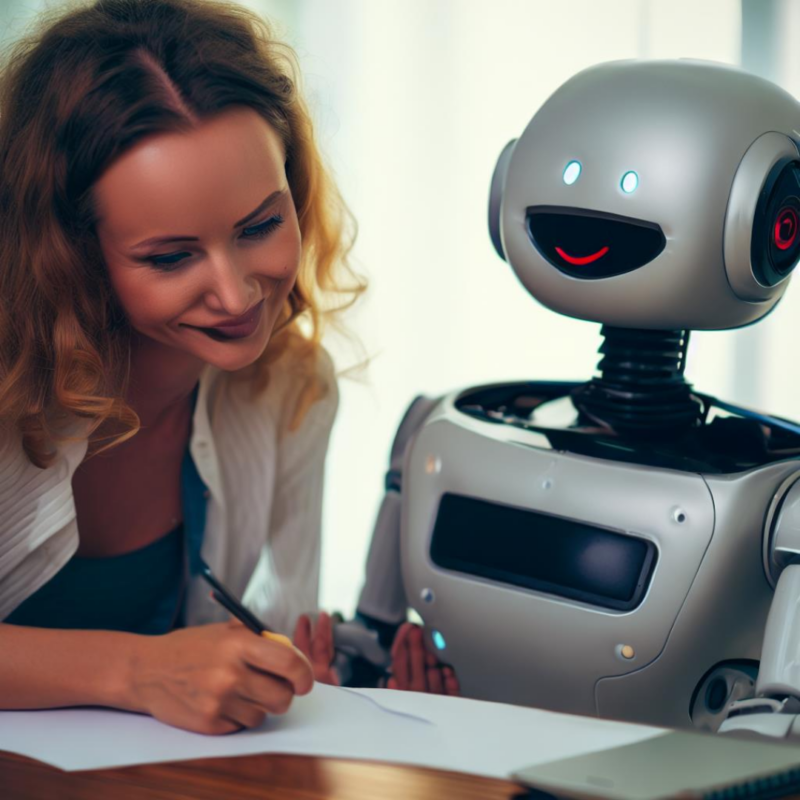

ChatGPT, Bard and other artificial intelligence bots continue to make headlines. Hear what Utility Pioneers think of the new tools…


ChatGPT, Jasper and other writing bots are making headlines. How will artificial storytellers impact the perceived value of utility communicators?…

says:
I think the idea of AI is very interesting. However, I believe it should be used as a RESEARCH tool. As you mentioned, I do use it to get the brain started when staring at a blank page. I have found it valuable in prompting ideas to follow up on. I don’t think I’ve ever used something ChatGPT spit out without some editing and verification. I’m glad you are having this discussion. A few people I’ve talked to are in the camp of “AI is scary and dangerous.” I think it’s about how people use it. If used responsibly, it can be a good thing. If not, those people I talked to would be right. Thanks for the article.
May 2, 2023 at 8:27 am