Share

It’s difficult to have happy customers if you have unhappy staff. Dr. Trish Holliday and Brent Baker of NES talk about the connection between the two and how to improve both.
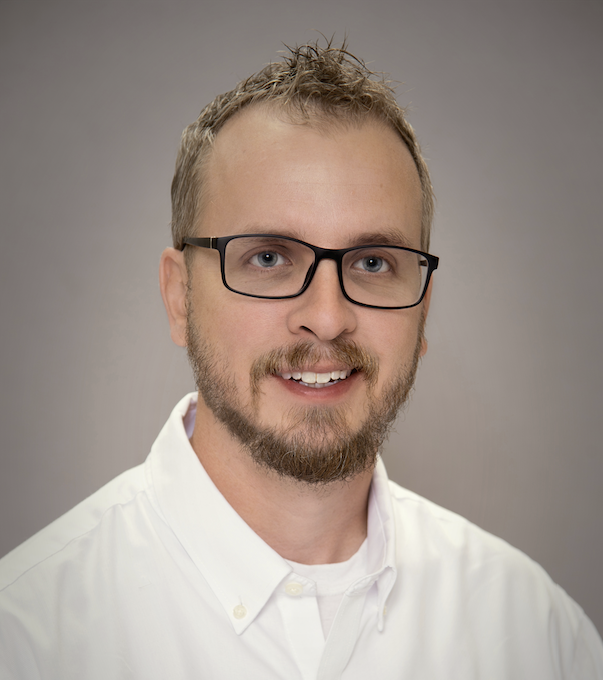
Dr. Trish Holliday and Brent Baker
Transcripts have been lightly edited for clarity and readability.
Intro: A production of Pioneer Utility Resources. StoryConnect, helping communicators discover ideas to shape their stories and connect with their customers.
Andy Johns: What’s the connection between happy employees and happy customers, and how can you improve both? That’s what we’ll be talking about on this episode of StoryConnect: The Podcast. My name is Andy Johns, your host with Pioneer, and I’m joined on this episode with two folks from Nashville Electric Service, Dr. Trish Holliday is the VP and chief people officer. Dr. Holliday, thank you for joining us.
Dr. Trish Holliday: Thank you very much for having me.
Andy Johns: And Brent Baker is the VP and chief customer and innovation officer also at NES. Brant, thanks for being on.
Brent Baker: Thank you, Andy.
Andy Johns: Now I met Trish, I met Dr. Holliday at the TMEPA conference in Memphis a couple of months back. And as soon as I reached out to her after her presentation and said, “Hey, I’d love to get you on the podcast,” she brought in Brent. And I think the two of them have a lot to add as we get in here and look at this. Because what you were talking about Trish, at that session, most of the conferences I go to – and it may be true for Brent and a lot of the listeners – we hear a lot about CX. It’s all about customer experience. Customer experience is CX. But you talked about EX, which is employee experience. So let’s kind of start off by defining that term. What all goes into the employee experience?
Dr. Trish Holliday: Yeah, I love introducing new terminology, you know. And the employee experience is how employees feel through their entire journey at an organization from the beginning of when they are recruited, their experience there, the application process, the hiring process, all the way through their development, what they’re doing in their different positions to separation. And so, it’s really important to understand that the employee experience is all encompassing. It’s not just one part of an employee’s life cycle. And so that’s why I like to talk about the employee experience, because it’s a holistic way of looking at how an employee experiences the company that they’re working for.
Andy Johns: You talked about while we’re defining terms, let’s get into another one that you mentioned. You talked a lot about civility. You know, I think we hear about, and we’ve done employee surveys too, where you talk about respect. But respect and civility are two different things. And you’re working on making sure that that you kind of go even beyond respecting each other, right?
Dr. Trish Holliday: I am, and one of the things that we’re doing at Nashville Electric Service is thinking about what does a culture of civility and belonging mean? How do we live and coexist as a workforce together in that space? And so when you think about civility, it’s really an overarching terminology that encompasses mutual respect. But it includes more than just respect. So when we talk about a culture of civility, what we’re talking about is the practice of showing respect, showing courtesy, showing politeness. You know, you talk about manners. You talk about how do you relate to other people. Inside the culture of civility is those positive interactions. And how do you make sure that people in your work relationships feel like they’re being heard, they are being communicated with, and there’s empathy so that we are trying to understand each other? So civility brings in a lot more than just mutual respect. Now mutual respect is a part of it. But we at Nashville Electric Service really wanted to help our workforce understand the broader sense of how we can coexist and really be successful together.
Andy Johns: I like that, and you mentioned a word there “culture” that we’re going to talk about for a minute. Brent, we’ll get to you, I promise. But we’re going to stick with the culture talk for just a second here. One of the things that you said in your presentation there in Memphis at the TMEPA event is that you’re seeing salary and benefits are no longer enough. There’s the whole culture piece of the employee experience is something that folks are – it’s not just a nice to have. It’s a have to have.
Dr. Trish Holliday: It’s a have to have. You’re exactly right, Andy. And when we talk about the reason culture is a must have these days is because employees are now looking for the total experience. They want purpose. They want meaning in their jobs. And so the employee experience has to encompass those components. And a compensation and benefits package is a contractual relationship with an employee. And employees today want more. And that’s where you start to begin to understand the necessity of focusing on culture.
Andy Johns: Got it. Now, I guess culture is one of those things, like weather. You know, people always talk about we’ve got some weather coming in today. Well, no, you’ve had weather. It’s just good weather. I guess it’s one of those things. It can go either way. So when we’re talking about having culture, obviously we’re talking about good culture, not just any culture.
Dr. Trish Holliday: Well, we are, and I’ll tell you. It’s important to know the signs of a good culture and a poor culture. One of the things that I think is really important to have a shared understanding of what is culture. So I like to define culture as the way people think and act, because I’ve always said we cannot manage personalities, but we can, as leaders, manage behaviors. And so what you want to do inside a culture is you want to create shared understandings, shared vocabularies, You want to have shared values. And so when people feel like, okay, I understand what NES is all about, what our purpose is, what our mission is. Then you’re starting to generate this alignment and consistency across the company. And I think it’s really important to think about culture as the way people think and act. Because if you see a toxic environment, that means that the way they’re thinking and they’re acting is not conducive to the type of culture that you’re wanting to create. And so that gives you the indications of what you need to go and fix.
Andy Johns: Absolutely. Excellent point. Some of the things that you all have done, because you know that good culture doesn’t just happen. It’s got to be something that you all are working on intentionally. Some of the programs you all have done Together Tuesdays, Thankful Thursdays, the Emerging Leadership Institute. Tell us, give us kind of a high level overview, Trish if you don’t mind, about what those three things in particular are and how that helps sustain, build and sustain a good company culture.
Dr. Trish Holliday: It’s all about getting together. And if you think about in the utility space, everybody has a purpose. Everybody has a job that they are focused on doing. And it’s really important for an organization to say, to pause and take a time out and bring people together so we can cross-pollinate with ideas, sharing, you know, resources and conversation and dialog to get to know one another. So our Together Tuesdays or our Thankful Thursdays, where we do a community charity project together, or where we’re developing our employees through our Emerging Leaders Institute, these are things where we’re trying to say, hey, employees, we know you’re here, we see you, and we want to help you be the best that you can possibly be. And we want to bring alignment to our organization.
Andy Johns: And then, Brent, you’re able to use those events when everybody does get together, I think smartly, using those to kind of, I don’t know if you would consider it cross training, but at least informing folks on some of the other efforts and objectives that you got as well.
Brent Baker: Right? Yeah. That’s right. These are great events that bring a lot of people together. We’ve used those to just put up informational areas for new technology that we’re going to bring, or changes that are going to happen in the way we do processes. And really, it’s surprising how many people want to come to that table and talk about what is it about that that’s really going to change my day-to-day life. And sometimes it’s a lot and sometimes it’s a little. And so it’s a really neat opportunity those events to bring people together. And, you know, even the fun things that we’re doing there, eating together or playing a game together, we get to know each other in a little bit of a different way. I would say that also leading to great customer experience through some of those moments to show that we’re all together coworkers, and we care about each other. Also, when that translates into walking around some of our different apartments and all of us as coworkers, having that ability to interact on the contact center floor in the meter shop, and that where we work together to solve challenges. And we are all coworkers trying to solve it so that kind of divide goes away, and we become a lot more like each other and that civility of respect. And when we’re listening, how do we improve? We’re making improvements so that our day to day job is better, and we’re serving customers better. So it’s really all working nicely together.
Dr. Trish Holliday: And Andy, I’d add one thing if I could. I thought about this, to Brent’s point about educational opportunities when we bring the company together and when people are there, they may not know that there’s a particular benefit. For example, we have Meharry Hospital, which is a local hospital here in town that will do free X-rays for our employees. They’ll do free scans. They’ll treat them in the E.R. at no cost. And our employee base, they just had no idea, all of the ideas that and things that that hospital offered. And so we invited even a community group to come in and set up a table. So we had internal tables, and we even had community partners come in and share how they benefit our workforce as well. So it’s really a, it builds such a camaraderie between community and the workforce.
Andy Johns: I think it’s important to note too, just so everybody gets the scale of what we’re talking about here, Nashville Electric Service, you guys have in the neighborhood of 900 or so employees. Is that what I heard?
Dr. Trish Holliday: 925 employees. Yeah.
Andy Johns: So getting everybody together, I’m sure takes a lot of work to make sure that everybody’s free to do that. Brent, we’ve talked a lot about the EX side of things, the employee experience. But let’s talk about now kind of to make the transition in the conversation how that strong internal culture translates over to a superior customer experience. Can you share some examples of how that’s worked, or how have you seen that in action, where that good company culture translates over to a good customer experience?
Brent Baker: Yeah. And so one of the things we see is, just as I mentioned, walking around the contact center floor, just us all caring about each other. I can talk to all my coworkers that I’m curious about how do we make sure we’re answering the calls faster? Or how do we make sure we’re available for customers? They’re providing me their ideas. We changed a process just in the last two weeks of how we’re handling some of our calls, because some of the reps just said, hey, this is causing us a little bit of a challenge, so we’re trying out something new. Another day, I might say, hey, can we try something a little different too on how we handle calls? So really working together as a team is one thing that this culture of civility brings. And we know we’re all caring for each other to really make this work well. Another thing that happens by doing it as if we care for each other, the employees care about our customers. We get some five star Google reviews that really show that experience that our employees are delivering. And we don’t kid ourselves. We’re a utility. Not a lot of people are thinking this is something they chose to call or have to work with. But our employees are delivering that experience and getting those kind of Google reviews, it’s pretty impressive. Because, you know, being a municipal utility, we are here for the community, and we owe it to the community to provide that excellent service, and it’s neat when it comes back in that way.
Andy Johns: I think it’s pretty easy to tell whether you’re getting a sandwich at a deli or an oil change, or signing up for electric service. You can tell pretty quick when when the staff likes each other and cares about each other, as opposed to when they don’t.
Brent Baker: That’s right,
Dr. Trish Holliday: That’s right. Yeah. And Brent and I, when we started talking about this together, because this is, to me just a road show that we should do – all utilities across the country should have this conversation. I mean, because I think happy employees, happy customers go so well together. It’s like you cannot live with one without the other. Like we need to really fuel such a great customer experience, but it’s got to start in house, you know, and I really like that symbiotic relationship.
Andy Johns: Yeah. And one of the things, one of the reasons why I thought y’all were such a good example to bring on, number one, you understand when I say things like, y’all because we’re both here in Tennessee, so you get it. Not everybody does. But the other piece is ensuring consistency. You know, a lot of folks, a lot of organizations will say we put the customer first, but, you know, what does that mean? And how do you guys instill that? Brent, we’ll start with you, but especially when you’ve got a staff the size that you guys have ensuring that consistency has to be quite an effort. How do you guys go about doing that to make sure that that no matter if you’re working with, you know, employee A, B, or C, they’re still going to present that that image and represent the brand the way that you want it to be?
Brent Baker: Yeah. So customers just really expect, no matter what business, that they feel that they’re cared for when they come to work with any, like you said, the sandwich shop or the utility. And for us, we are instilling our core values of really being customer focused and having that civil and caring place to be internally and externally. So when it comes to being consistent, we can look at even the speed at which it takes us to answer a call or the way we handle that call, that all of that matters in showing that care. And so as we talk about why we are doing what we’re doing, the frontline customer all the way up to the top, you know, the executive team is working closely to make sure we are looking at those metrics from employee experience and customer experience to deliver that. So I think having that as part of the conversation, I would say it’s a little bit new to the culture, at least in this framework that Dr. Holliday and myself are talking about it. I know historically, Nashville Electric Service has a great reputation of being customer centric, but we’re even kind of go to that next step of civility and customer focus. And so in my areas of the company I’m really working on, how do we know that when we’re asking for a different process or adding some technology or something like that, that that’s really the right thing to do? We’re measuring it against, will this help us show up better for our customers across the board?
Dr. Trish Holliday: Yeah. And I’ll add, Andy, that we have a CEO who has a vision of how she wants our workforce to do business. And so when we talk about inside out, you know, if we’re going to serve to the best of our ability, the customers, that’s also serving one another. And that’s where that culture of civility comes into play. Understanding our interactions: how we behave, setting expectations of what does it mean to have a healthy workplace that people feel safe. People feel like they are heard. They’re a part of the decision making process. They feel like they matter. All of those things are so important in today’s workforce, and for us to retain our talent, we have to make sure those things are really accentuated.
Brent Baker: Yeah. And Andy, I’m going to drive one real quick example, if I can, just to add on to that. Last year when I got here, our CEO Teresa said we really need to be communicating more during outages, doing the things that customers expect of us. And in some utilities, that’s a hard hurdle to get over. But here, everybody got together and realized this is something really important. And because we cared about what we needed to do for the customers, but it also impacts all of us as individual departments and individual players because it’s all different kind of responsibilities. We came together and really came up with a plan for how we would do that very thing, and we are now sending messages on a regular basis when outages happen. We know how to work with each other. Other departments are suggesting things they could do to improve it or another department could do so. It’s really that what Dr. Holliday talked about, us coming together and helping each other do that really well.
Andy Johns: Yeah, that’s one thing, it’s very apparent from talking to you all that, you know, that, customer service is not a department. It permeates through it sounds like all the way from the very top of the organization chart down through, out to all the departments. So that’s great to see, and I know that’s not an accident, for sure.
Dr. Trish Holliday: And it’s not a destination. I always say that this is a journey, and we can always get better. And it’s that growth mindset. It’s that understanding the importance of continuous improvement and always looking for areas where we can serve more effectively and efficiently. And I just, I like being a part of an organization that has that kind of mantra in terms of how we do business.
Andy Johns: That tees up the next question very nicely, which is about training. Trish, let’s start with you. How does that training go? Both the initial training when an employee starts and then, like you said, that continual progress along the way to kind of keep everybody on track?
Dr. Trish Holliday: Yeah. Employment development is a passion of mine. I do really want employees to feel like they can reach their potential. And that happens with intentional, deliberate development opportunities. And we have to make sure people see their career in front of them. And they’re setting career goals. And so training and development become an essential aspect of that. One of the things that when you’re a new employee that you come in, there are some, of course, policies, compliance, all of those particular trainings. We got to get you up to speed in the NES way. And then once you move past that and you move into an area where now it’s what are you interested in? So we like having a cafeteria style approach. We have a lot of options. We have various online learning opportunities for our employees, and we also do some in-person ones. And I’d like to talk about one in particular effort that we started two years ago. We’re about to move into year three of our cultural transformation work. And what we did starting two years ago was we said, you know what to have a shared message, to understand collectively who we are as a company, then we need to learn together. And so we all need to learn the same thing. And so we created a learning series where all 900 plus employees go to a 90 minute workshop where they roll their sleeves up. They talk about ideas that we’re focusing on. Like, for instance, this year we’re focusing on fostering community to enhance the customer experience. And so we’re all nine hundred –
Andy Johns: Sounds like a relevant topic.
Dr. Trish Holliday: Right? All 900 of us are going to have that conversation. And so when we think about training, it’s really important that we don’t do it randomly, that it is attached to some greater purpose. Because when training is seen as a check the box or I’ve had this before, we would start a new, we would develop some new curriculum around how to serve a customer. And I’d have an employee call me and say, do I have to go? I went to customer service training five years ago. That tells me that we’re in a space of not lifelong learning, but we’re kind of just checking the box in terms of training. So we got to make learning different, and we got to make sure it matches the company’s mission and where the company wants to go. And then it brings in a whole new meaning to it for an employee.
Andy Johns: Sure. And it sounds like that’s a mix, like you said in person and online. It sounds like some stuff online y’all have created in-house, some of it out of house, I guess, for, you know, outsourced for other resources.
Dr. Trish Holliday: We do, but –
Andy Johns: Or is it all in-house?
Dr. Trish Holliday: No, I’ll tell you, no, it’s not all in-house. However, I’m really proud of this. For us at Nashville Electric Service is we don’t buy any off the shelf stuff. So even our external consultants that we hire to come in and facilitate, our training team sits with them, and we develop curriculum that NES needs, not something that’s been done for 100 other organizations. And so I’m really proud of that because it’s customized to what we are trying to get across.
Andy Johns: Got it. Brent, let me hop over to you with this question. And then Trish, feel free to jump in. But when you’ve got an organization, especially the size of of NES, let’s talk about feedback loops. How do you guys make sure that things that the folks kind of on the front line are hearing and talking with customers every day, how do you make sure that that gets up to decision makers and that there’s that kind of free communication between, you know, kind of the different levels? Because that’s where some of the best ideas and best feedback come from.
Brent Baker: Yeah. And I learned early in my career that’s really important for all of us to get out and visit with our coworkers, no matter what the job is, and just see what it takes to get their job done so we can better improve it. Doing that just in the first year I’ve been here, I’ve heard a lot of good suggestions from the different groups that I get to work with about things that we might be able to do to improve. And so that feedback is just face to face and as big as we are, and even with a flexible schedule of some hybrid workforce, we’re able to do that. There’s a few other things we’ve added that, you know, a town hall that gives people an opportunity to hear about projects that are going on or initiatives or policies, but also an open questioning session at the end of that, a management committee meeting.
Andy Johns: That one’s quarterly?
Brent Baker: That’s quarterly.
Andy Johns: Town hall is quarterly?
Brent Baker: Town hall is quarterly, and then a quarterly management committee meeting that we get to hear from our managers about things they’re seeing and how to improve from their perspective. And then just a myriad of different things. In my group, I do a biweekly video that goes out, and I try to keep it under three minutes. Just some things going on, and then I ask everybody to provide me feedback as you have it, and I get emails about what they’d like to hear about next. And so every one of our peers at the VP level has different ways to get that feedback. But I think culturally it’s about being there and present with your employees in different ways to make sure you’re getting that. But I’m going to kind of push over and let Trish talk about something because I think it’s pretty cool. Oh no. All right.
Andy Johns: Yeah. But before you do just the technical piece of that with the video you’re putting out. Is that email or intranet or how are you distributing that to the folks?
Brent Baker: That’s great, yeah. So it is an email link from our, you know, shared resource, our intranet. But yeah, I pretty simply just recorded at my desk, I don’t have any high production equipment and just get it recorded, get the message out. And it’s really gone over really well. And the technology is so good now I can see how many people open it and watch the read rate or the watch rate on that.
Andy Johns: Yeah. Trish I didn’t mean to jump in there.
Brent Baker: No, you’re good. I was excited about some of the things that I’ve watched Trish do as well in this last year on gaining that feedback, too.
Dr. Trish Holliday: Well, and just to be frank too, Andy, we’re lucky at Nashville Electric Service that Brent has come to us because he brought both of those ideas, the town hall and the management advisory committee. Both of those happening, it has opened up a communication chain that I think is now going to take us to the next level. People are feeling more informed. Which leads me to what we’re doing now at Nashville Electric Service with our employee engagement survey process, is what we know is when employees are informed, they feel more engaged, and you get better commitment, and you get better productivity. If they’re not informed, they’re going to inform themselves with what they want to know. They’re going to, you know, all kinds of stories will start to surface. And you’re like, where did that come from? What we want to make sure is people feel like they have the right information. And so what we did with our employee engagement survey is once the survey comes back and we have the quantitative data, I go out and I meet with employees from all across the company to ask them, so tell me from where you sit, what does this data mean to you? And now I’m getting a wide range of perspectives. I’m getting their examples of how they resonated with that question, what that means to them. If it’s a low score in a particular item, I can get a better understanding of what we need to work on, and we take those focus group notes that we gather from all of these different employees. We bring them back, we compile them, we’re able to look at themes and patterns. And then our CEO, Teresa, can say, you know what? These are the things I need to focus on as the CEO and sets her priorities based on the feedback from the employees It’s a pretty powerful methodology. And what she does then is she and the executive team, we all go out with her and she will get in front of leadership all across the company to say, I heard you. Here’s what I heard. Here’s what we have done about some of the things that were concerns to you, and here are some things that we’re going to focus on in this next year. And what that does is it helps inform folks where our energies and efforts are going to focus.
Andy Johns: Yeah. And just folks being heard, does does wonders for the culture.
Dr. Trish Holliday: It sure does. Yep.
Andy Johns: So you mentioned the surveys there, the employee surveys. That may be part of the answer here, but culture, you guys are working so hard on the culture. But it can be kind of a squishy thing to define. How are you able to set goals and then kind of check your progress as you go along when it comes to culture, Trish?
Dr. Trish Holliday: Yeah. It’s really important to not make this too complex. If we’re going to get 900 plus employees around it, then we have to make sure people hear one message. And that’s why it’s important to have. We had five strategic priorities this past year from a culture perspective. I wouldn’t want any more than that, neither would Teresa. And what she did was she put things in place across the company to work on those priorities or those goals, so that at the end of the cycle we can say, here’s what we did, and we still have more work here. We’ve completed this, but it’s a nice way to measure success because you’re able to then track progress on what she had determined were priorities. And so that’s where the executives then can support her vision. And the employees see, wow, my voice really does matter.
Andy Johns: Yep. Crucial. While we’re talking about measuring things, Brent, what metrics and methods are you using to measure customer satisfaction at NES?
Brent Baker: Yeah, so metrics are one of those things that I love. And I have to be really clear about communicating how we measure things and make sure we know if we’re benchmarking against others, if we’re not hitting the mark yet, how do we get there? And sometimes it’s a journey to get there as well. And customer satisfaction is one that we have our own survey that we have a research group that does for the Nashville territory, and we watch that every year. And we have had an uptick this year, a lot to do with our communication during the storm events that we’ve had in this last year really showed an uptick. So we’re watching that. We’re also looking into the industry for those benchmark-able surveys that show just what our customer satisfaction is compared to our peers in the industry, and make sure we’re always driving to that next level as well. But then on the day to day, you got to have some real time leading indicators and that we do have those within our different interactions we have. So post interaction surveys to see what it’s like to be a customer on certain types of interactions, and every day we’re looking at even adding more. So is there something we could do after we text a customer during an outage? Something like that and integrate even more into our technology. But making sure we’re driving forward on those. The last thing that we know that if we answer the calls fast, if we’re there for our customers face-to-face when they’re here wanting to talk to us, that’s important. And there are metrics that measure that, which is our average speed of answer. How much availability are we showing to our customers? And that’s something we’ve really started to focus in on recently as well.
Andy Johns: And most of those are going out by email, by text, by phone. I mean, however they’re interacting with you?
Brent Baker: Yeah, so a lot more electronics, a lot of email for the research group doing those surveys. And then the post-call survey is on the call itself. And then we’re looking at integrating even more tools that you see without surveying people too much to make sure we have availability for people to give us feedback.
Andy Johns: Wonderful. Well, I know we’re running a little bit long on this one. We kind of joked about suspecting that we would at the beginning before we pushed the record button. But let’s close with this. And Brent, I’ll start with you, and then we’ll go to Trish. But what advice do you have for someone who is listening to this and realizing, or maybe they’ve been thinking about it for a while, but they’re realizing that they need to improve both their customer experience and the employee experience and kind of how that may work together? What advice do you have for them?
Brent Baker: So I’d say just remember that the most engaged, the most I’ll say happy employee is the one that really knows why they’re doing what they’re doing and why what they do matters to the company. So tying those together that no matter what job we’re doing really matters to the company, which a lot of times means it matters to your boss and to the CEO, but also to that customer. So I would just say make sure you know that. And if every job in your company has an awareness of why they matter, it will really make a difference. And then continually talking through as an organization of what matters, that you maybe should be measuring and making sure you are headed in the right direction. So that focus is really important, and so many people care so much about doing the right thing in their job. They just need to know what the right thing looks like.
Andy Johns: Sure, I think I’ve got to “Start With Why” by Simon Sinek back here on the shelf somewhere. So yeah, you’re speaking to me.
Brent Baker: Yep. There you go.
Andy Johns: Dr. Holiday, what advice do you have?
Dr. Trish Holliday: Yeah, so I’ll close out with one of my favorite theories, which is called functional fixedness. And it is around thinking beyond the way we’ve always done it. And that phrase trips us up or traps us and keeps us in a place of past versus being innovative and creative. And when you’re thinking about the employee experience, it has to be relevant. It has to be current, and so set aside that, well, this is the way we do it here, kind of thinking. And my greatest advice is to think differently and bring employees to the table to help you do it. Try not to do it at the executive level, but have it be a grassroots effort where employees join you and make this something that the whole organization can rally around.
Andy Johns: Functional Fixedness you said, right?
Dr. Trish Holliday: That’s it.
Andy Johns: Okay. I’ve heard like a status quo bias kind of a thing. Same idea.
Dr. Trish Holliday: Yeah. You just get fixed in there. Yep.
Andy Johns: Yep. Understood. I like that one. Well, thank you all so much for joining me on this episode. I appreciate you guys both taking the time. I know y’all are busy people, so thanks for taking the time to record with us.
Brent Baker: Thank you, Andy.
Dr. Trish Holliday: Thank you so much.
Brent Baker: I enjoyed it.
Andy Johns: She is Dr. Trish Holliday, VP and chief people officer at NES, and he is Brant Baker, VP and chief customer and innovation officer at Nashville Electric Service as well. I’m your host Andy Johns with Pioneer. And until we talk again, keep telling your story.
Outro: StoryConnect is produced by Pioneer Utility Resources, a communications cooperative that is built to share your story. StoryConnect is engineered by Lucas Smith.