Share

Is your consumer service team built to care? Scott Paul, of Beacon Broadband, shares how he uses team building and mentoring to turn his frontline team into storytelling specialists!
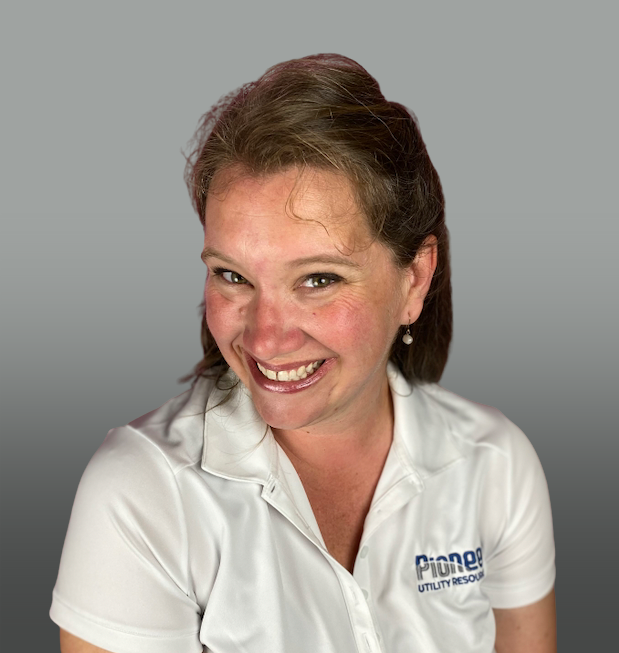
Scott Paul
Transcripts have been lightly edited for clarity and readability.
Intro: A production of Pioneer Utility Resources. StoryConnect, helping communicators discover ideas to shape their stories and connect with their customers.
Megan McKoy-Noe: Frontline storytellers: how to train your team on subscriber experience. That’s what we’ll be talking about on this episode of The StoryConnect Podcast. Hi, I’m your host, Meghan McKoy-Noe, one of the storytellers at Pioneer Utility Resources, and I am joined by Scott Paul, customer services director at Beacon Broadband on the Oregon Coast. It is lovely over there, Scott, I must say. Now we are not on the Oregon coast today.
Scott Paul: Down in Vegas.
Megan McKoy-Noe: We’re in the desert today. I know, we are podcasting from the Calix ConneXions Conference, so we like to say that any background noise that you may notice is ambiance to set the mood for sharing ideas there. Do you feel?
Scott Paul: I feel like, I feel like we’re setting the mood. We’re sharing some ideas.
Megan McKoy-Noe: Good. Good. Scott, thank you so much for joining us today. Well, I love Beacon Broadband. I’ve been a fan of y’all’s for a while. You’re a member of Pioneer, which is really fun through Coos-Curry Electric, and you connected your first subscribers to broadband in 2022.
Scott Paul: Correct.
Megan McKoy-Noe: So talk to us about where you are now, what are your biggest challenges and opportunities?
Scott Paul: Yeah. So right now we’re at 4,000 customers. You know, right at that 2,000 mark at the beginning of this year; now over right at the 4,000. So we’ve doubled our business in ten months and 14 days. It’s been a rush. And so I think that’s our biggest opportunity is that we’ve gone so fast, so quick. We haven’t had a lot of time to make sure we’re doing it right every single time. You know, so I think that’s what we’re learning. We’re taking that big step back and trying to figure out how we can perfect our customers’ experience and what processes and procedures can we make sure we put in place to make sure everybody has the same experience from start to finish? I mean, we’ve got a great customer experience, scored over 86%. But you know, we’re not, that’s a great score. And I think the national average for telecom is like in the 30s. And so 86 is good, but we can get better.
Megan McKoy-Noe: Well, and I think you’re pointing out something that is true of a lot of folks I’ve talked to at this conference. They were rushing. They were rushing and rushing. Right. And they got everything built up. But maybe they didn’t bring all their staff along the whole way. And they’re taking a moment just to stop and say, “Wait, what could we do better? What works well? What didn’t work?” And they’re taking a moment just to kind of like one of those in magazines where you kind of rate yourself on stuff, you know, like dating profiles or whatnot. But for your broadband experience, how is this really going? You know, what kind of a broadband experience are we providing for folks? So self-evaluation. It’s a beautiful thing. So you call your folks the Beacon Broadband customer care team?
Scott Paul: Correct.
Megan McKoy-Noe: Which I like. It’s not service because service is kind of a little distant. Maybe it’s something we have to take care of. “Care,” I mean, I feel like you’re going to give me a hug, right, just in the title of your team. So I love that you have “care” front and center. Tell us a bit about what your team looks like.
Scott Paul: Yeah. So I have currently on my team, in-house employees for the customer care support team. We’ve got five customer support representatives. Two in our Gold Beach office, three inside our Brookings office. Just a phenomenal group of individuals. We hired every one of them right out. No real customer care. I mean, they’ve done customer interaction jobs, but not something from a full on customer support team. And then, as far as getting them going, understanding how the fiber broadband network really connects our customers worlds. You know, whether it be telemedicine, telehealth, you teach these CSRs the importance of how their customers lives are going to be impacted by what they do for them every day. They take that added time. And we didn’t have a NOC team. And so we basically trained my CSRs up. Let’s give them this added level of insight into technology. Let’s get them trained on how to use Calix Support Cloud and how to dive and help support a Wi-Fi network, how to set up an Alianza Adtran ATA through our phone service and making them an expert in something. And so I’ve got Cassandra, who’s my phone expert. I’ve got Tori, who’s my TV expert. I’ve got Kayla, who’s in charge of dispatching, making sure that works. I’ve got Chris just left us for a new position. He’s moved up to level three, and he was in charge of Calix, and the Wi-Fi.
Megan McKoy-Noe: He’s been promoted, and there’s now an opportunity for growth for someone else.
Scott Paul: 100%. So I’ve got a phenomenal team that really puts in the effort, but they’ve, I think they see the same aspirational growth for what they’re doing for their subscribers. And to be honest, our Coos-Curry members. I think being that member first mentality has really helped them see that.
Megan McKoy-Noe: Definitely helps. So I’m curious, just to dig into it, how did you train them? I know you said they’re all experts in certain areas, which I think is so important because it’s hard to be a generalist, right? So it’s also empowering them like, this is my space. This is what I know really well, and they can share it with others. But how did you train them? Was it like staff training days? Did you do videos that they watched, or did you have folks come in and work with them at the office?
Scott Paul: Yeah. So a little bit of all of those things, right. So it started off with a one-on-one. Let’s let’s sit down and see what you want to own. Because if you don’t want to own it, I don’t want to give it to you. Yeah. It’s not going to work out the way either of us want. So what is it that you want to be known for? Do you want to be known for fixing a problem? And you see that as a problem. And so you’re going to make it just the best thing that could ever be. “Um, no. That seems like too big of a lift for me.” Great. Well, what is it that you’re passionate about? What do you think you could impact the most? “I think this is.” Great. Now, let’s put together an action plan on what that looks like. From there, I really lean on my customer service lead, Kayla Stebbins. She’s a phenomenal young lady. And she’s my eyes and ears on the team. So they go to her. She comes to me, but then we publicly recognized the strong work they’re doing and the follow up action.
Scott Paul: Right. So what have you done to accomplish A, B, and C? And then let’s share that with the team. Let’s do these little study groups where we’re going to get together as a team. And you’re going to share what you learned this week to make sure that everybody here takes a little bit away. And because they’re all specialists, they all want to share that insight. Now with that, I’ve said all those great, wonderful things. The one thing we’re working on now, it’s not a downside. I think it’s eye opening for them, and it’s a different kind of development, right? That’s development towards what we offer. Now it comes down to development at their core level for them. And that is just because you’re the specialist doesn’t mean you can’t help somebody else learn it. You can’t hold on to it so tight that you choke the life out of it, because then you never get to take a day off, because you’re the only one that knows how to do it.
Megan McKoy-Noe: Share the love a little bit.
Scott Paul: So for over the last 6 or 7 months, that’s what we’ve been working on, is how do we make sure everybody’s a specialist. Now that you’re the expert, how do we make everybody a specialist? So it’s not just “Hey, they want to talk about phone. Here you go. Cassandra.” It’s hey, Cassandra, could you teach me how to do this service so I can do it for the next customer that calls in?
Megan McKoy-Noe: Well, Scott, I really love what you’re doing there. And I haven’t heard of a lot of other folks explaining it like that. You know, we’ve been talking a lot at Calix about persona marketing and focusing on the subscribers, but I love the way that you’re focusing on strengthening your staff’s core skills, seeing them as people, finding things that identify with their personal brands, what do they want to take ownership of, and then also helping them learn how to share their passion and teach others. I mean, that’s huge just for career development and for strengthening your team. I love that you do that. I mean, I’ve been around for a long time, Scott, and I haven’t heard a lot of other folks really investing like that in their teams.
Scott Paul: I hope that I think it’s a great thing. I wish you had heard it more. I can tell you one example.
Megan McKoy-Noe: Maybe we don’t talk about it.
Scott Paul: That’s it. Yeah, yeah. One key example. We have a individual that came from a marketing background. She owned her own marketing business. Her name is Erin. She had her own marketing business, and I was like, we don’t really have an onboarding packet. Like we have onboarding material, but it’s over here, and it’s over there, and it’s over here. You’ve got this marketing background. Why don’t you put together us an onboarding packet? And it is beautiful. So leverage their strengths too. If you’re going to do it, leverage what they’re great at and what they’re passionate about.
Megan McKoy-Noe: I love that. Is that onboarding package something you might share with folks?
Scott Paul: I will have to fine tooth comb it. It does say proprietary on front, but there’s definitely parts I’d be more than willing to share with anybody who asked. But if it’s proprietary to Beacon, I might have to peel it back a little bit. But yeah, I think the meat and potatoes.
Megan McKoy-Noe: Yeah, just the idea. And to see the way that you all are approaching this because again, I think you are focusing so much on your staff and bringing them, strengthening them, strengthening their ability to tell their personal stories and to connect with the team. You’re building a wonderful culture there at Coos-Curry and Beacon Broadband, so that is exciting. I also have seen from the outside that your subscribers recognize what you’re doing, like it’s hitting home with folks. So I kind of dug in the archives with Ruralite magazine, which we love, partnering with Coos-Curry Electric on, and you have a column in there every now and then just to give updates on what’s happening with Beacon Broadband. So I found a column where you shared a quote from a subscriber, and I wanted to share it with our audience. This is the quote. “The installer helped me understand my equipment properly.” Okay, that’s that’s fine. “He was kind and used his brain to explain technical things at my level of understanding.” He used his brain, I think is a key phrase in that quote. It’s really powerful that your subscribers are recognizing that your staff is like thinking things through and thinking from their point of view. Sometimes I don’t know about you, Scott, but I slip into jargon, and I don’t even realize it. I forget to explain things in a way that connects with folks that don’t know what I’m talking about, right? So how do you train your team? I mean, they’re specialists in different areas. How do you help them to use their brains? Very important part.
Scott Paul: Very important.
Megan McKoy-Noe: And make it easy to understand how broadband works, to tell their story?
Scott Paul: So because they’re experts, it’s easy for us to get in the lingo. I mean, bandwidth. I don’t care what bandwidth is. I want to know that that’s the amount of cars that can drive down the freeway at the same time. Capacity. Same thing. It’s upload and download. Like you can drive somebody crazy just trying to talk about how the internet works, but we know it, and we’re passionate about it.
Megan McKoy-Noe: Yeah.
Scott Paul: So share that. But share that with somebody who wants to hear that. Don’t share that with somebody who just wants to know if Netflix buffers on Friday afternoons. So I think it’s giving them the tools to answer as many questions as they can, but also doing it in a way that connects with that individual that’s asked that specific question. And my team does a great job listening to their customers so that they can listen to what the customer’s needs are, and then answer that question in return. The fact that it might require a 2.4GHz network to hook your printer up.
Megan McKoy-Noe: That just went woo.
Scott Paul: Woo right over their head. The printer doesn’t print when I click the print button. Let’s make that work for you. Are you in front of it? Let’s walk through how that works. So yeah, we know why it needs a 2.4 internally at Beacon. The customer doesn’t care. They just want to click the print button. So that’s what I think we’ve really done, and my team does a great job on, and even our install. So we’ve got installers as well under my department. And I’ve got a great group of guys doing that. But it’s, I think it starts with listening. We got to listen to what our customer’s needs are, so we can use our brains and our knowledge to solve that problem and then talk at them the way they want to be talked to.
Megan McKoy-Noe: Or talk with them, not at them.
Scott Paul: That’s 100%. Everybody’s got a passion, but they can bore you if they share their passion. So let’s be passionate at their level and finish the conversation.
Megan McKoy-Noe: Do you have any notes? Do you use, like some folks have for their CSR teams, they’ll have scripts that they use for things? Do you have any tools like that to help folks or?
Scott Paul: Yeah, so Kayla’s put together just basically, for like a new order that’s coming in. She’s put together like a “Do they want the triple play?” Do they want the single play?” Where’s their existing router located?” But, it’s very just to help our installer know a little bit more. But that empowers the installer when they show up. “Hey, I heard your Spectrum router or your X company router is up on the third floor. Let’s get up to the third floor and see if that’s the best location. Or did you have a different idea of where it was going?” But oh, the customer service team listened to me. They gave you the tools and resources you needed to then ask me to solve my problem.
Megan McKoy-Noe: Okay, so they’ve got kind of a guide how they can set up other team members for success, which is important. Do they have like words to never use?
Scott Paul: I think I’ve just beat it into them that we’re not allowed to use the word “no.” Right. There’s a difference between “not possible,” “no,” and “absolutely not,” right? Let me look into that. What a wonderful idea. I haven’t had come across that just yet, but let me put it in front of some leadership and find out what solutions we have. So if I am across the room and I hear, “no,” it’s like the one bugaboo that Scotts got, you don’t say no to Scott. You say “yes,” or you find a different way to to distance yourself from that situation. My team is very aware of that. Like we are member first, and we don’t tell people no. It might not be possible, but “no” never comes out of our mouth.
Megan McKoy-Noe: I love that you’re always looking for solutions, not closing doors on anyone, which is so good.
Scott Paul: I want all this underground. Great. It’s $20 million. It’s not a no. It’s just going to cost you a lot of money to put it in the ground.
Megan McKoy-Noe: So you talked briefly about this earlier with the team sharing their strengths with each other. Do you have any other mentoring opportunities to really help your team strengthen each other and learn from other people across Beacon Broadband and maybe at Coos-Curry, or even outside of your group?
Scott Paul: I know, I was just saying, I don’t think I have anything extra inside of my team that I’m doing. I mean, we definitely challenge team builder ideas and contests and things to have fun inside work, but I do challenge my team to step out of their role and find something that they can be passionate outside of work. And so Beacon Broadband, just with the help of Bill Gurski, our sales and Marketing vice president, launched Connected Senior in the city of Gold Beach. Connected Senior, yeah, I hit you with something fun. But Connected Senior is we’ve got the largest elderly customer base in the state of Oregon and Curry County, the county of, you know, Coos-Curry Electric. It’s one of the big counties we have. And because we have an older population base, we wanted to find a way to help educate them on how to use a computer. And so Bill came up with these Connected Senior, where we bring senior citizens in to learn how to use a computer. And they’re trained by seniors in high school that have tech backgrounds. So you got senior citizens being trained by seniors in high school. But they’re led by my CSR, Cassandra. So you’ve got step out of your comfort zone, give back to the community, and that’s where you make your mark long term. So that’s where I challenge my team outside of building it internal, build it outside.
Megan McKoy-Noe: Yeah, I love that. And the seniors and seniors.
Scott Paul: The Connected Senior program. You could do a whole –
Megan McKoy-Noe: Connecting them together. Oh there’s so much there.
Scott Paul: Bill’s around here. I’m sure he’ll come talk to you about it.
Megan McKoy-Noe: No, it is beautiful. Now, you’ve talked about how they have their specialists, and they know their story and how to connect with folks. How do you keep them up to date on what you’re sharing in Ruralite magazine, on your social channels? What’s going on in the community to make sure if a member hears something or a subscriber or something that your team knows what messages are being shared?
Scott Paul: I mean, we’re a communication company, and so we got to be communicating with each other.
Megan McKoy-Noe: It doesn’t always work that way though.
Scott Paul: It’s impressive. But I think understanding how they like to be communicated with was important at the beginning, right. Do you like text? Do you like Teams chat? Do you want public coaching? Do you want private coaching? That was something that I learned with one of my team members is that they do not want to be publicly celebrated. I was always told, “Celebrate in public. Coach in private.” This individual was very much the opposite. You can do whatever you want if you’re yelling at me. But if you’re giving me praise, we do it behind a closed door. And so, but if you understand that about your team, you understand how that individual likes to be communicated. And then it depends on the message, right? We recently had a situation where we had an escalated customer call in. Customer was very upset, and the team was like, I want like passionately. It was a bad call, but I want to cancel this customer. It’s like, “Well, hold on, let’s take a giant step back. That sounds awfully close to “no.””
Megan McKoy-Noe: I was gonna say, don’t cancel customers.
Scott Paul: So let’s talk about the interaction. What happened? And obviously, she trusted me enough to vent that frustration to me and not to the rest of her team, because that’s only going to bring the whole team down. And let’s walk through that individually. Let’s talk about how this goes. So you start peeling back the layers, and the customer was just expecting one thing and something else happened. And when you investigate it, you realize we did kind of mess up. And yeah, he may have been upset, but let’s role reverse this. What would you have been if the same thing happened? So nobody’s perfect. Nobody’s flawless. But giving them that insight on let me coach you on what you missed and help you understand what the other side is. I think is developing them to take my spot hopefully one day because that’s the end goal, right? Get promoted. Let them take your spot.
Megan McKoy-Noe: So I love that. And it goes back to what you started out the whole conversation about. It’s about building trust with your team so that you can have those conversations and all grow through it together, which is beautiful, Scott. I love that. One last question before I let you go. I’m having so much fun with you.
Scott Paul: So am I, Megan, I love it.
Megan McKoy-Noe: Thank you for doing this. But what advice do you have for utility pioneers who want to strengthen their customer service teams storytelling?
Scott Paul: It’s a great question. I think you ask your customers and understand what their impression is of you. I think it’s very valid that what you think might be really, really working, isn’t really, really working. And so we do that often. What else can, the way we end every conversation coming into Beacon Broadband isn’t “Thank you so much for calling in.” It’s you called in for this. You called in for that. We did this, and we did this to solve it. What other things can I do to help make your Beacon experience great?
Megan McKoy-Noe: Love that.
Scott Paul: So find those extra pieces. You don’t need to take a survey every thirty months or three days. What else do you have? And so taking it to that next level, I think. Don’t settle with patting yourself on the back. Always challenge yourself for that next thing. That would be my advice.
Megan McKoy-Noe: Oh, that is wonderful advice. Thank you so much for sharing your story with utility pioneers.
Scott Paul: My pleasure.
Megan McKoy-Noe: He is Scott Paul from Beacon Broadband, and I’m your host, Megan McKoy-Noe at Pioneer Utility Resources. And until we talk again, keep telling your story.
Outro: StoryConnect is produced by Pioneer Utility Resources, a communications cooperative that is built to share your story.