Share

Seeking to engage younger members, Kankakee Valley REMC launched a Junior Board program to introduce high school students in the co-op’s operations.
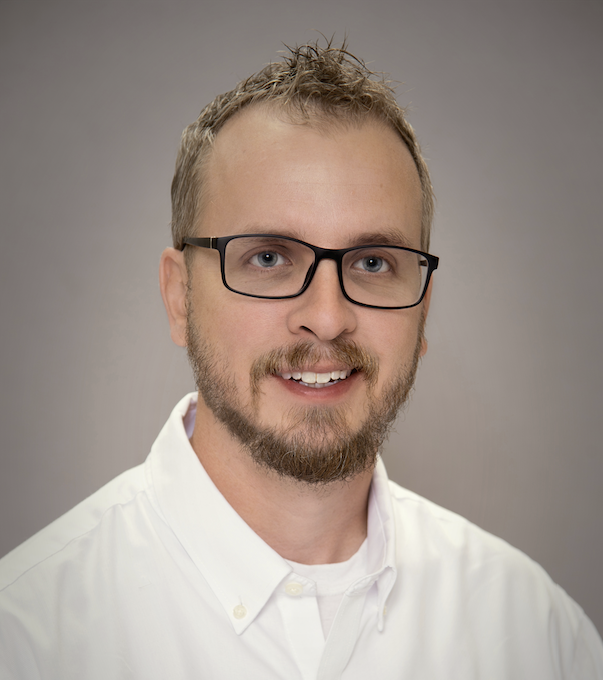
Amanda Steeb
Transcripts have been lightly edited for clarity and readability.
Intro: A production of Pioneer Utility Resources. StoryConnect, helping communicators discover ideas to shape their stories and connect with their customers.
Andy Johns: How can a junior board program help engage youth in your community? That’s what we’ll be talking about on this episode of StoryConnect: The Podcast. My name is Andy Johns, your host with Pioneer, and I’m joined on this episode by Amanda Steeb, who is the director of marketing and Ccommunications at Kankakee Valley REMC in Indiana, as well as Dave Howell, who is the facilities manager at Kankakee Valley REMC. Thank you guys both for joining me.
Amanda Steeb: Thank you for having us.
Dave Howell: Thank you.
Andy Johns: So we’re going to talk about your Junior Board program, which I think is a pretty cool idea and not something I’ve heard of very many other folks doing. I’ve heard, you know, a lot of folks are in the position right now of trying to engage those younger audiences. But, Amanda, just tell me a little bit about the basics. Where did the idea come from to do a Junior Board?
Amanda Steeb: The idea came from actually another co-op. So that’s the great thing about co-ops is that we all can share ideas.
Andy Johns: Admire and acquire. Yep.
Amanda Steeb: Yeah. And then actually, you know, change it a little bit to work for our area. So that’s exactly what we did. So we got the idea from another co-op, brought it back. Dave and I talked a lot about how we could make this work for us. You know, anytime we engage with youth, we always run into the issue of getting them to the co-op or getting them where we needed them to be, because these students that are very active, they’re not only active in the community, but they’re active at school. So getting them after school was the challenge. So Dave and I thought long and hard about this. We met with some superintendents, and we determined that the best way to make this program work is to get the buy-in from the schools and have the program during the day. So that’s kind of what has made this program unique for us. And unique when we talk to other co-ops is that we get those kids out of school. We get the blessing from the schools. These students spend the entire day with us. And it’s been great. So that’s how we’ve been able to make this work best. So that’s kind of where the idea came from. Another co-op and we made it our own.
Andy Johns: Yeah, that’s a cool idea to be able to get them out because like you said, a lot of these same students that are really kind of leaders and the ones that you want, they’re going to be involved in sports and clubs and after school activities and, you know, church. Yeah, like you said, community, all kinds of stuff. So that’s a great idea. How many schools are you guys, when you’re talking about working that out, how many schools ballpark are y’all working with to kind of get that approved, Dave?
Dave Howell: This year we’ve chosen 13 students from seven different schools.
Andy Johns: Oh, wow.
Dave Howell: We have 9 to 10 schools that we reach out to fill out applications. But this year, seven schools were selected.
Andy Johns: Got it. And, Dave, what all is involved in the role of a junior board member? Are they, obviously, you know, there’s a lot, sounds like career training. But what all kind of goes into being a junior board member?
Dave Howell: Yeah. So we really have a potpourri of things we discuss. They’re with us for eight months. We meet one day a month for the full day. The first session, they’re learning about themselves, self-exam. You know, what kind of people they are. Then their fellow board members can also engage and see what kind of people that they’re working with. They learn a lot from each other that first session of really who they are. That leads us into our next session where it’s governance day, and we select a board president, vice president, secretary, treasurer. We go on then to a local county commissioner meeting. We set through a county commissioner meeting.
Andy Johns: Okay.
Dave Howell: And then we’ll end our day with meeting with the mayor of a town here. So they kind of get the whole idea of government on that first day. We identify early, and they identify early, kind of who their leaders are. There’s a lot of shy kids. And that’s our goal here is to bring them out of their shell.
Andy Johns: Sure.
Dave Howell: So that first session, you know, we explained that, you know, as the president, you’re going to run the meeting. We’re going to learn Robert’s Rules. We’re going to run the meeting like it should be ran. And then at the end, you’re going to be rewarded with coming to our annual meeting and get to give a little speech to 600-700 people. That really excites them. Not really.
Andy Johns: For some, for some probably, I would guess there’d be some that are.
Dave Howell: Our goal is to just kind of bring these kids out of their shell. It’s like 4-H here is really big. And when you have to do a demonstration speech in 4-H, that kind of brings you out of their shell. We try to just move that along. But yeah, from there, we have a career day where we’ll bring in, people will teach them how to write resumes. We’ll do mock interviews for jobs. They’ll talk to them about social media, what they shouldn’t be putting on their social media now, and how that stays with them –
Andy Johns: Good lessons to learn.
Dave Howell: – forever. We’ll go to Indianapolis, and we’ll tour the State House one day. We’ll sit down with state representatives and, we’ll tour the Supreme Court. We have a really good relationship with our politicians in this area.
Andy Johns: Sure.
Dave Howell: And they really got behind this youth program so that was huge. Well, one day, we’ll go into a court. We will actually sit in the jury box, and we will watch pretrial arraignments. We’ll watch bonds being set. We’ll watch plea deals being worked out. The judge will spend time with us answering questions, telling them what they’re witnessing. So it’s just overall a little bit of everything. And hopefully exposing them to things that they normally wouldn’t get to see or especially up close like this. Maybe everyone’s toured the courthouse, but have, you know, have you really sat in a jury box and watched it this close? So.
Andy Johns: Right.
Dave Howell: I’ll let Amanda explain the final, our community day project.
Andy Johns: Yeah. And before we get there, Amanda, that ties into kind of my next question I had for you. Let’s put a pin in the community today and come back to it. But, you know, with touring the Capitol, with all that, how does this tie into some of your other youth programs? Because this is in addition to youth tours and scholarships and some of the other stuff you guys are doing, not instead of, right?
Amanda Steeb: Right. Yeah. No, we’ve always had a, and I think all co-ops can relate to this. We’ve always had a special spot for youth and really wanting to engage with our youth. Because we really do see the youth as the next generation of, you know, co-op members or maybe even co-op board members. So getting them into the co-op space early and introducing ourselves and what we do and why we’re so important to the community, is really important. So, yeah, we have the Junior Board of Directors program now. We still do Youth Tour. We do what we call Camp Kilowatt here. We’re still in the schools teaching with Junior Achievement and 4-H. And I mean, the list just goes on and on of the youth programs we do. So by no means did we look at the Junior Board as a, “Oh, we have to get rid of something, or we have to fill a void.” We’re just adding on because, you know, when you think about all the different youth programs at the co-op level, you know, we’re touching those that are in the sixth grade, we’re touching those in their junior year of high school and their senior year, or, I’m sorry, your senior year of high school with Youth Tour. But we felt like we’re missing out on that junior year. So we thought, this is a great way to engage with those juniors and then also talk to them about the Operation Roundup scholarship that we have for their senior year and talk about the trip to DC their senior year.
Amanda Steeb: So we just felt like there was a gap, and this closed that gap for us. But I also want to just go back on when, you know, what Dave was talking about with the “what’s our goal” with this. And, you know, I think when we sat down and really looked deep into, why are we doing this? Yes, it’s great to engage with the students, but more so I think when you just talk to not just co-ops, but businesses in general, students, they go to high school here, you know, they learn all about the community here, and then they go to college. And then how do we get them back? How do we get them back to the community that has raised them? And we saw this as a great opportunity to expose them to a lot of the great things in rural America. You don’t have to go to the big cities to get opportunities. There are great businesses right here in your backyard that are looking for individuals like you, leaders like you, to join their organization. So we saw this as kind of a building block to maybe the future, not just for the co-op, but for all businesses. Because our end goal is to help the community, and this does that.
Dave Howell: As much as we want to make better leaders and teach these kids and show them the opportunities, we learn a lot.
Andy Johns: Oh, yeah.
Dave Howell: We don’t really do a good job, maybe in the past, of reaching that age group because we really didn’t know how to reach that age group. And I think they have opened our eyes to what, we might not agree with it, but what they are interested in, and how do we reach them where they’re at. And that’s been huge for us.
Andy Johns: Yeah, I just did a presentation last week, actually, with a group out in Idaho with some college-aged students. And, you know, the language isn’t even always the same. You know, they throw out a rizz and a no cap and all that. Like, I don’t know what that means, but my 12 year old at home is helping translate some of that for me. But I think I cut you off a little bit. Amanda, talk to me about the community day a little bit, because that sounds like that’s kind of the next step in the in the program.
Amanda Steeb: It is. So, you talked earlier about we do a scholarship that’s at the very end. So that’s kind of their prize for completing the program. But because a lot of this program is geared around community, and we thought it would be important that the students have a capstone project. And that capstone project is, is that from their first day to their last day, they’re working together as a team. So as part of that teamwork, they have to figure out what is a community service project that they can do together to give back to the community. You know, we all take, take and take from the community, but they need to, we all need to learn to give back, and this is a great way for them to give back. So the last two years our Junior Boards have given back to animal shelters and community buildings. They gave back to a homeless shelter. And they do that not only with the work of completing a project, but they’ve also given back financially too. So something that we do for our program that’s been very different from others is our students have to report to us monthly on what outside community service that they have done. And then we put a financial, we put a dollar amount to that, and the co-op kind of gives to their bank. So for every hour of community service that they do on their own, we give a financial give on that. And then we use that money for the community service projects. So, it’s really, it’s a great time to watch these kids grow, from the point of not knowing each other, to now working together to complete a project and do all the the legwork to get that project done. So, I mean, we’ve watched a lot of growth happen, just in the two years that we’ve done this. And so it’s really rewarding for them, but also for us.
Andy Johns: Perfect. Yeah. Let’s talk a little bit about the criteria. And this sounds more like an Amanda question, but Dave feel free to jump in. So what are you guys looking for? You mentioned a junior. Is it okay if these kids are some of the same kids that that you’ve seen in some of the other programs, or, you know, they’re able to do the Youth Tour the next year when they’re a senior?
Amanda Steeb: Absolutely.
Andy Johns: Any of that kind of thing. And then how do you how do you guys go about finding the right candidates for the Junior Board?
Amanda Steeb: So we have a – they have to fill out an application. So, no, if you participate in Junior Board, that doesn’t preclude you from doing other things. You can be part of any other program that we offer. So they fill out an application. We asked them, you know, what are some of the things that they’re involved – in school, out of school. And we also ask them just a couple questions, just to kind of get to know them a little bit. But also find out kind of their leadership style. What, how are they leading in school? And those are the essay questions that we grade. To again, make sure we’re getting that that right person for the organization, or for the group. And then this year we actually did where they could do a video. Submit a video to us. And that has been really great because there is no better way to get to know somebody than on a video.
Andy Johns: That’s true.
Amanda Steeb: Yeah. Between the the written application and the video, we then do a point system and based on the points, the top 13, those with the highest points, are selected. So we were extremely fortunate this year. We had over 32 applications, which is big for only a program being in its third year. And then we decided the first two years, we took ten students. And because of the continued growth of this program, we decided to go ahead and take 13 this year. So this will be our largest group. And we had a mandatory parent meeting, where we kind of set forth the rules, the expectations, so mom and dad could hear it too. And we’re really excited about this year. I think it’s going to be a great, great year, not only with the students that we’ve selected, but also the tons of exciting things we have planned for them.
Andy Johns: And you guys aren’t necessarily geographically weighting it where it has to be one per school. It could be, you know, if all the right candidates are from all in one school, you guys are open to to kind of whatever there, right?
Dave Howell: Yeah. We don’t really look at the schools when we’re going through the applications for that reason. And, of course, the schools that are, we have schools within three miles of our office. We have two different schools. So the application, number of applicants is much higher from them two schools. But no, we don’t look at the schools. We look at the resumes that they’ve submitted, and that’s what we go by. We’ve never, when we started this, we weren’t exactly looking for the valedictorians of the world because we feel like they were going to be just fine. So we were looking for the people who were maybe needed that little push. But it turned out we’ve got valedictorians every year, and we also get a good mix of students who told us that they, you know, they’re wanting to step outside their comfort zone, and it’s really a good mix of kids.
Andy Johns: Yeah. Good for them. Good for them. Dave talked me through the timeline. So you said it’s one meeting per month for eight months. So are you guys looking for these candidates over the summer or spring of their sophomore year? Or kind of talk me through the timeline on when it starts, when y’all start getting ready for it?
Dave Howell: Yeah, that’s kind of been a struggle from the get go also because we don’t really know when to reach out to these kids. Because we start in October is our first session. So schools coming back the end of August. So do we ask for these kids back in April when they’re thinking about nothing but getting out of school and not thinking about Junior Board? Or do we, do we try to cram them in at, you know, when they register for school, and then they got a month to think about it? We’ve gone with that route, and we’ve got a, we’re very pleased with the number of applicants.
Andy Johns: Sounds like it.
Dave Howell: So I think that’s the route we’ll take in the future as we get them right before they go back to register for school. Then the kids are talking about it. We give them maybe a month, and then we select and then meet with our parents. The parents was huge this year. I feel we haven’t done that the last two. A lot of times the kids don’t take the information back to the parents. We learned that in a hurry. And now the parents were very receptive and appreciative of sitting down and letting them know the expectations also.
Andy Johns: That makes perfect sense. I have a 12 year old, like I said, so that makes perfect sense to me that kids would not bring home all of the information. Amanda and you guys are a good example of it because obviously you got two folks involved from different departments right here on the phone call, on the podcast recording. How do you go about, or how did y’all go about, getting buy-in? Because I’m sure, you know, something like this doesn’t just happen when one person decides to do it. How did you go about getting buy-in from other departments, from leadership, possibly from the Senior Board? The actual board, I don’t know if they would want to be called the Senior Board. But how do you go about getting, when you’re starting something like this, how do you go about getting buy-in from different departments?
Amanda Steeb: So I would say that we were very fortunate. Our board of directors and our CEO, they have always seen the youth as very important to always be engaged with. So I would say that for us, that was the easy part, was getting them involved. And, you know, they want them in their board room to watch an actual board meeting happen. So they are always getting updates and asking about our Junior Board Program. So I would say that was easy. We try to engage other departments in with our Junior Board, which I think helps with the buy-in process. We’ll bring them in to talk about Career Day, you know, what careers you could have with the co-op. Because I guess that’s the piece we kind of missed here is that, you know, although it’s a co-op that’s doing this program, we do make sure that one area of discussion at some point is about co-op careers. Obviously, at the end of the day, we would love to see some of these people come back ten years from now and have a, like I said, either a board position or an actual employee. So we do a whole segment on co-ops. And what is a co-op? How can you be involved with the co-op? On and on. So yeah, we engage all departments with this program. And I think that that’s an important piece because, you know, it’s one thing to get the buy-in from the schools and the parents and the students. But then you got to get buy-in back at home too. And this is what we call home.
Andy Johns: Perfect. Dave, I’ll start with you, and then I’ll hop back over to Amanda. Just my last kind of two questions here. What surprised you? Obviously you have this plan for what this is going to be like. Did anything along the way these first couple of years surprise you? We’ll start with Dave, and then I’ll hop over to Amanda.
Dave Howell: I don’t think anything really surprised me. I think what surprised me probably the most was how I felt at the end of each session. Very rewarding, very rewarding to see these kids grow. Very rewarding for, you know, them to reach out to us after school, after they graduated, they reach back. We have them fill out at the end of the year. We list all of our sessions, and we have them kind of put them in order of their importance to them or what they found interesting. Because we we try to explain to them that, you know, this is only going to work if you are involved in this, and we want this to get better year after year after year. So what can we do better? And we really haven’t, after two sessions, had much change because they pretty much, what we’ve laid out for them, they’ve been extremely pleased with. And they all feel like they would do it again in a heartbeat. The application process has a list of how did you hear about us? Their peers that were went through it last year are talking about this program. So I’m just really pleased with the way it’s turned out.
Andy Johns: Sounds like it. Amanda, did anything unexpected for you, any unexpected results for you throughout the first couple of years?
Amanda Steeb: I don’t know if I’d call it unexpected. I would say I wasn’t prepared for a lot of the planning that you have to do so early to set up all of these sessions. You know, that’s a lot of work. And knowing that there’s other co-ops that are listening, I think that’s the one thing that I would put out there is that it is, as fast as it ends in, you know, May, June, for us, we’re already planning the next year. You know, it’s getting those speakers because, you know, the one thing that I’ve said from day one is that if these students are going to spend their day with us, we have to be on our game. We have to make sure that what we’re having presented to them is of top value, because otherwise the program won’t be a success going forward. So, I would say that was one thing that I wasn’t prepared for that we’re getting better at. We’re learning to be better planners. But the other thing, I guess I would add is that I didn’t plan for it to get the traction that it got so quickly. And not just by the students, but by the legislators and, you know, our statewide organization and, I mean, we have heard from co-ops in different states that have heard about our program and want to learn more about it. And, you know, what are we doing? What can we share with them? You know, and that’s the glory of being part of a co-op, right? I mean, we all share. So what we find to be successful, we are willing to give to that next co-op so that they can continue the success of it. You know, I think we all have that duty to give back to the community and help grow our youth. And so, if you know, we got our start from another co-op, so we’re happy to help others too.
Dave Howell: Another challenge is we’re from northwest Indiana. We don’t know the weather from day to day. Our winters can be brutal. So when you have these things planned, you know, months ahead of time, and then the night before we get a blizzard. Now, is it not just affecting us, too, and our 13 students. You know, maybe we were going to the Capitol building that day, and now we have to reschedule. And the legislators are only there a certain amount of time. And that has been probably a headache because the weather has not cooperated with us a couple of times. But we’ve rescheduled. We’ve made all of our sessions, so it all works out in the end.
Andy Johns: Yep. Perfect. Amanda, you were touching on a couple of things that lead to my last question, which is normally the way that we wrap up these podcasts, which is just what advice do you have? And we’ll start with you, and then hop over to Dave. What advice do you have for that other, you know, co-op or utilities out there thinking about doing something like this? Where would you tell them to start? What advice would you have if they’re thinking about doing something like this?
Amanda Steeb: I would say my first advice would be, don’t be afraid to start something new ground up at your co-op. You know, sometimes it’s just easier not to go there. You know, it seems like a lot of work, but don’t be afraid to start it. The reward is definitely worth all the work. And I’ll also add in there that the best way to get this started is to talk to your schools, talk to your superintendents. They are your best resource for finding out what students want, what students need, and what works best for them. So I think that’s why we have been so successful, is that we have had the backing of all the schools. So start there and especially with your co-op leadership too.
Andy Johns: Dave, what advice do you have for somebody who listens to this and think, “Hey, that’s a good idea. I think I’m going to try that.”
Dave Howell: Yeah, I definitely agree with what Amanda said. And then also, you know, the having it during the school day was huge. As we visited other programs and learned about other programs, you know, they sometimes struggle with attendance because these kids are busy. And we’re finding out that even though we’re doing it during during the day, these are busy kids. So that’s huge. And you want to get to a kid, you got to have good food. You got to provide them with good lunch. We take them, if we don’t have it catered in that day here, you know, we take them out when we’re on the road and that seems to get to a kid in a hurry, so.
Andy Johns: Well, that gets to some grown-ups too. I can certainly understand that. Perfect. Well, thank you all so much for taking the time to (a) talk with me. But then (b) just for the work that you guys are putting in because like you said, this sounds like a pretty heavy lift to get it done, but certainly a worthwhile effort. So Amanda and Dave, thank you all.
Amanda Steeb: Thank you.
Dave Howell: Thank you.
Andy Johns: She is Amanda Steeb, the director of marketing and communications. He is Dave Howell, the facilities manager. Both of them are with Kankakee Valley REMC in Indiana. I’m your host, Andy Johns with Pioneer. And until we talk again, keep telling your story.
Outro: StoryConnect is produced by Pioneer Utility Resources, a communications cooperative that is built to share your story.