Share

Sioux Valley Energy’s staff LEAD program builds a culture of cooperation across the utility, creating a competitive edge when recruiting talent. Learn how projects from the leadership program improved volunteerism programs, removed silos and strengthened the co-op’s internal communications.
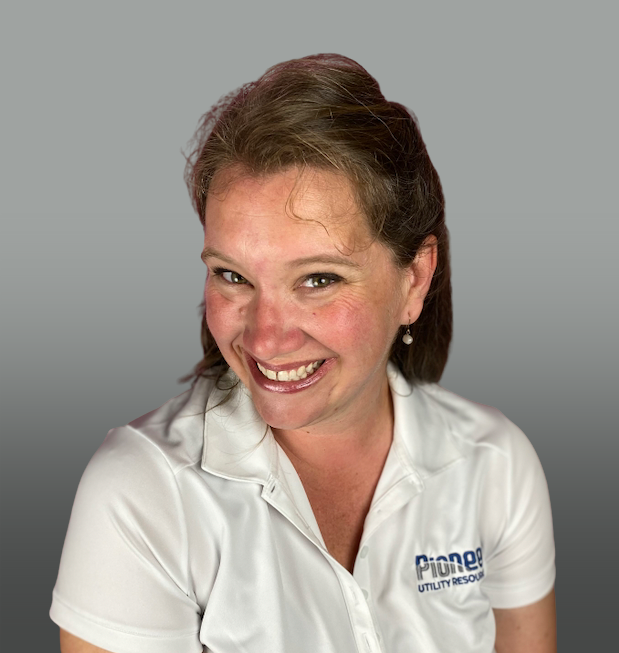
Chinelle Christensen
Transcripts have been lightly edited for clarity and readability.
Intro: A production of Pioneer Utility Resources. StoryConnect, helping communicators discover ideas to shape their stories and connect with their customers.
Megan McKoy-Noe: Retention, retention, retention. How can staff leadership programs strengthen your story? That’s what we’ll be talking about on this episode of The StoryConnect Podcast. Hi, I’m your host, Megan McKoy-Noe, one of the storytellers at Pioneer Utility Resources, and I am joined by Chinelle Christensen, the culture and training development strategist at Sioux Valley Energy, serving almost 29,000 members in both South Dakota and Minnesota. Chinelle, thank you so much for joining us today.
Chinelle Christensen: Thank you for having me. I’m so excited for this.
Megan McKoy-Noe: Well, I mean, just based on your title, I’m really excited. Culture and Training Development Strategist is so cool. And I love that because it really is, like it takes being strategic with your storytelling to focus on your culture and how you develop training at your utility and in your community. So I’m excited. We’re going to start off by diving into your staff leadership program, which I believe is called “LEAD.” And I know it stands for something. Remind me what it stands for.
Chinelle Christensen: So LEAD stands for leadership, empowerment and development. It’s an acronym.
Megan McKoy-Noe: Ooh, I like this. It’s a pretty good acronym. I like that. Talk to me about retention, which I know you rock there at Sioux Valley and your succession planning. Why does that part of your utility story matter?
Chinelle Christensen: I think it’s incredibly important for organizations to take a look at, you know, what is happening within our employee group for the future. Are we ready for some of those people that have a lot of knowledge, a lot of experience within the co-op world, are we ready for them to retire and bring those next waves of employees up to those same levels that we’ve had, or even more than what we’ve had? And several years ago, we took a hard look at, wow, we’re doing really well with our retention as far as generally, people don’t leave, unless it’s because they’re retiring. But we’re facing a huge amount of retirements in the near future, so we had to take a look at how do we get our employees ready for those future positions and future opportunities to grow and develop within themselves? You know, we already have these awesome employees that believe in the culture that we have. They thrive in the culture. They know the systems. They know what we’re doing for our members. They understand all of those things. So you already have a captive audience to be able to say, “Hey, let’s give you an opportunity to grow and develop. Let’s give you an opportunity to be a leader where you’re at now, and maybe there’s something down the road that’ll open up.”
Chinelle Christensen: You know, how are we knowledge transferring? How are we sharing those things? And then on the – when you look at it from the outside, if we do have positions open up that, you know, we may have to go external for, those people are looking in going, “I always hear great things about the culture at Sioux Valley. Their employees stay there. Their employees want to be there. You know, I want a part of that.” And so they’re wanting to come, you know, work with us and be a part of this culture that we’ve developed around our membership, around our employees, around our learning and development. And so it’s kind of makes you have a niche within the community, outside of the, you know, monetary benefits that we give our employees. You know, it gives you a competitive edge.
Megan McKoy-Noe: Yeah, yeah, I like that. Your culture does give you a competitive edge, and I don’t know that everyone thinks about it that way. We all think, you know, the utility. It’s one of the best jobs in the community because it’s stable. Right? But now you’re really competing more. It’s not just about getting a good job in your community because people can work remotely for so many jobs.
Chinelle Christensen: A hundred percent.
Megan McKoy-Noe: So yeah, you’ve got to find that competitive edge. I like that. And for folks who don’t know, I believe you have just over 100 employees at Sioux Valley.
Chinelle Christensen: Yep. We’re right about 110 with an anticipation of that growing. We’re in a unique spot where we’re located, and there’s a lot of growth in our area. So we anticipate there’s going to be quite a growth movement within our employee group as well.
Megan McKoy-Noe: All right. And you are positioning yourself for that growth with the LEAD program, really to grow leaders within your utility. So tell me a little bit more about LEAD. When did it begin, and how has the program evolved over time?
Chinelle Christensen: So in 2016, it was actually when I started in my role at that time was the training and development coordinator, and our CEO went to the vice president of HR at that time and said, “You know, we really need something internally, you know, to grow and develop our employees.” So she came to me, and I got to work. You know, I didn’t have all the answers at that moment. But I started researching leadership programs within our area, leadership programs within other co-ops, if they had one, Basin Electric at the time, had rolled out one recently. So I actually went up there for three days and spent time in their program watching what they were doing with their employee group and really learning the nuts and bolts of why they chose the curriculum that they did, why they were doing what they were doing, and what makes sense to their co-op. I brought all that back, and and we did a hard look at where are we at, what, what do we need and what makes sense for us? And one of the biggest things that stuck out to us was we really wanted the involvement from our strategic leadership team. So that would be our CEO and our vice presidents. We wanted them to be able to come into the program and be able to share their story. So their leadership journey on how they got to the positions that they’re in today, the lessons learned along the way, things that they might have done differently, things that they’ve been really successful at, and then take that as an opportunity to say, “Hey, this is what our department does,” and really do a deep dive into that.
Chinelle Christensen: So we’ve kind of structured the program around one of them coming into every session. So they come in for like 2.5 hours, and then they stay for a lunch, and they have an opportunity to have a casual lunch with the employee group that’s in there and be able to ask those questions. I mean, you have this captive person that you can ask them, you know, tough questions or questions about the role that they play within Sioux Valley. And then we thought, we need to weave in some leadership stuff. You know, we want them to understand Sioux Valley on a deeper level, but we want them to also get prepared on the leadership aspect. And so we’ve changed some of that through the years, but we really focus on accountability. You know, how do you move from being a peer to a superior? Because that’s a tough transition, you know, that you’re not always prepared for. What comes with that? How do you have conflict resolution? How do you have crucial conversations? What personality am I? You know, what kind of leader am I? We do a DISC assessment. We’ve recently, recently added, you know, emotional intelligence into that mix to really do a deep dive into how your emotions play a huge role in how you are as a leader and understanding your employee group. We added competencies last year. We did a big competency thing for Sioux Valley, and we’ve rolled that in. I actually created an assessment to go with it and training. And through the year that they’re in the program, there’s generally eight employees that are not.
Megan McKoy-Noe: I was going to ask the nuts and bolts.
Chinelle Christensen: Yep. So they’re not currently in a formal leadership role. You know, they’re not currently a coach or a manager or supervisor. And it’s usually about eight. They apply to be in the program. And then we select, you know, from the applicant pool, and they’re in it for a year, the same group of eight. So they build these incredible connections with other employees from different departments, you know different service centers. And we meet for sure one time a month. We spend the whole day together. And then outside of the curriculum that I bring in, we also spend time working on a project. So they have a project that they have to do through that year. They have to focus on something that’s going to have a positive impact on the community that we serve, on the facility that we’re in, on a process or their fellow coworkers. It’s a very blank slate for me as far as ideas, because I really want them to have like that deep think, let’s spitball, throw ideas out there and really hear from them what they’re seeing as needs within our cooperative world. There’s guidelines around that on what’s expected. One of those guidelines is they have to pick a sponsor from our strategic leadership team to kind of aid as a liaison for them and offer support, offer suggestions. So once they’ve identified a project, they identify a sponsor that aligns with what they’re trying to do. So, for example.
Megan McKoy-Noe: I like that.
Chinelle Christensen: Yeah. Go ahead.
Megan McKoy-Noe: I was just going to say that that adds another level of mentorship to the program, as well. Which I think is important you have because I’ve been involved with other leadership programs, and I know a lot of folks are doing this, but they have the folks come into the room with these folks once a month, you know, so they have their CEOs. They have senior members there. Some of them have board members there, but they I haven’t heard of someone that has a program, a project that they all do together, and then have that ongoing mentorship effort added into that. So, and you may have been about to say this, I didn’t mean to interrupt.
Chinelle Christensen: You’re fine.
Megan McKoy-Noe: I get excited about these things.
Chinelle Christensen: Me too.
Megan McKoy-Noe: But what kind of projects have your graduates led at the co-op, and how has that impacted your community?
Chinelle Christensen: So we’ve had four groups go through the program so far. We had a weird lag with Covid, which, you know, everybody understands, saw that. Just, you know, it’s like a warped year.
Megan McKoy-Noe: Several weird legs.
Chinelle Christensen: Yeah. Our very first group to go through LEAD, their project, they came up with it. They saw the need to really break down the silos, break down the walls between inside and outside, different service centers, because we have four service centers plus three outposts. So we have employees in a lot of different places, and we have some that are remote. You know, they work 100% remote, and we have some that are 100% in the office. And so they really saw a need to let’s build some more community between all of these service centers, outposts and departments. And so they created what’s called “OUNE WAY.” It’s an acronym, and it stands for “Obtaining Unity, Needs Encouragement, Walking Away From Yesterday.” So the whole thought process is this forward movement together as an organization to serve our members. And they really believed that if we were one unified group, we’d be able to serve our members in the full capacity that we can. And so they put the employees, all from different departments, all from different service centers, in groups of ten, including one person from our leadership team. And they would leave site and go somewhere.
Chinelle Christensen: They would do a team building activity like an escape room, bowling, ax throwing, you name it. We’ve done it. And they would do that together to kind of create a commonality between them. You know, they all have this common experience together. Then they would go have lunch together. Then they would go volunteer, have dessert, and then they were done for the day because it took the whole day. It was, they piloted it that year a couple times. Tweaked it, learned, you know, where they could do things a little bit different. And that program still runs today. It was approved permanently from our staff into the budget. So now we run them every year. And it’s evolved to not only the small groups of leaving, to we have one day every year in July that we do in all employee outing to a golf course in town, and we put everybody in mixed up teams. We have really fun with the golf because not everybody is a golfer, right? But we make it fun. We have a bean bag tournament. We have lunch. We have busses, pick them up and bring them there. It’s just an entire employee experience because we really want people to feel connected to each other. And so, what started as breaking down walls has evolved into these incredible relationships with people that you might not see every day. So that one is still going today, and it’s landed now permanently with our employee engagement committee.
Chinelle Christensen: So they run the budget, and then they plan all of the events alongside of the other events that they do. So that’s one example of one of our projects. Another one was community connections. And so we give all of our employees 16 hours of volunteering a year that they can do during work, and they just code their time to the volunteer. And they wanted to take that to the next level. They saw a need. You know, we have a lot of small communities that don’t have area chambers. They don’t have organizations that are spearheading, you know, volunteer opportunities within those communities. And they said, “Hey, why aren’t we doing that? Why aren’t we looking out and seeing what’s needed within these communities and start spearheading some of these projects?” And so they came up with the idea of creating a calendar that always has opportunities on it that employees can sign up for. Employees can take the lead. They created a “rake the town” event that we do every October now. We go out to our members homes that are elderly or unable to rake their own lawns, and we rake their lawns. We show up, they don’t even know we’re coming, and we take care of those lawns for them. That’s one example. They did a –
Megan McKoy-Noe: Where does the calendar live?
Chinelle Christensen: It lives like within Outlook. It’s a shared calendar that everybody can see, and it’s called “Community Connections.” Yeah. And then they also said, “What about all these opportunities that happen after hours? Can we flex our time?” So they proposed allowing people to flex their time. So if they volunteer at night, they can take off that time during the day. So it was still a Sioux Valley, you know, supported volunteer activity. We have seen through that project which has now been implemented permanently, we have seen our volunteer hours like triple since we’ve made some of the changes with that program. Because employees are involved, they want to be doing these things. They want to be, you know, out in the communities and serving our communities. And they all have a different passion, you know, and so helping identify that. They did create a committee called the Community Connections Committee. And so they meet once a quarter and identify opportunities that we can be doing. You know, what are we missing? What are some new things that we can be doing within the communities? And that’s a variety of employees from all different departments, you know, so you get a wide variety of opinions and ideas with that group.
Megan McKoy-Noe: And I know this isn’t exactly what we’re talking about, but now I’m excited and intrigued. Do you pair that up with any of your sponsorships or grants?
Chinelle Christensen: Some of them. So our Operation Round Up board that we have. One of the employees in there also sits on the Community Connections Committee. So we know a lot of applications that are coming in that maybe need volunteers. They need extra hands and feet on the ground. So we’re able to kind of partner up that way. And then we have two employees like our key accounts and then our economic development gentlemen, both of them are so involved in the community that they’re always communicating. You know, what opportunities are coming? You know, I was just at this, you know, meeting for this city, and I see a need for this. So we’re really trying to open up those communication lines to be able to say, “Hey, we’re here.” You know, we actually have an ad in our Cooperative Connections magazine that goes out that has our Community Connections logo. It has my contact information in there. You know, if you have a need or a volunteer need, contact me and let me know. And that’s worked too. So we’re trying to find multiple ways to reach people to say, “Hey, we’re here. We want to help you.” And so, yeah, we’ve seen those efforts grow tremendously. And that was one of the projects through LEAD.
Megan McKoy-Noe: Yeah, I was going to say, and it all started by empowering your staff across different departments, bringing them together and giving them an opportunity to enact change where they see needs within the utility and within the community. That’s a beautiful way to marry those two together. Yeah. So LEAD includes a lot of hands on icebreakers relationship buildings. You’ve touched on the mentoring aspect of LEAD, which I love. Why should a utility invest in connecting staff across different departments?
Chinelle Christensen: I think it is incredibly important to build those connections with your employees. When you have a culture that people want to belong to and they feel like these people are their family, they’re more apt to come to work happy. They come to work connected to each other. They show up for each other. You know, it’s more than just the day to day functions of the job. You know, you’re with these people 40 plus hours a week. And so building these lasting connections, you know, runs deep. I’ll give you an example. I actually lost my house in a house fire six years ago. We lost everything in the home. We lost all our vehicles, and I have never been that blown away by the amount of pouring love and support that I’ve ever had in an organization that I did that from Sioux Valley. You know, like our CEO called, he gave me a company vehicle to drive until we found one. I had people dropping off toilet paper, paper towels, clothes. Like it was unbelievable the amount of support we have. And I truly believe it’s because we have made connections amongst our employees. We have done the work to say, “Hey, I know you work in a different service center than me, but I want to know you. I want to get to know you” And I weave in team builders and icebreakers on purpose with all of the programs that I run, because I want them to knock down those walls and have a commonality to be able to say, “Hey, we’re on the same playing field here. We just did something goofy together, and now we have a commonality.”
Chinelle Christensen: And then it just kind of lightens the mood of the room. You know, if they’re nervous, if they’re unsure or they’re an introvert, maybe by nature, it kind of puts them all on that same level playing field to be able to say, “Hey, we’re on the same team here. We’re part of the same family.” And I purposely picked certain ones through the year, depending on the topics or what we might be doing. Because I have a theme maybe for that day, and I want it to tie in to what that theme may be. One of the best ones that we do is Dale Carnegie with LEAD, and he comes in for an entire day, and it’s high impact presentations. And it is 100% out of almost everybody’s comfort zone. But all of them walk out of there now going through the same uncomfortable experience. And they have this unique relationship now where they have something they can laugh about together, something they can talk about. It really does help break down those walls and build a better family within your organization. I find it incredibly important.
Megan McKoy-Noe: I love that so much. Well, thank you for sharing your staff leadership story and your retention efforts with utility pioneers. She is Chinelle Christensen from Sioux Valley Energy, and I’m your host Megan McKoy-Noe at Pioneer Utility Resources. And until we talk again, keep telling your story.
Outro: StoryConnect is produced by Pioneer Utility Resources, a communications cooperative that is built to share your story. StoryConnect is engineered by Lucas Smith of Lucky Sound Studio.