Share
Hear how ‘Power Eastern Oregon,’ an economic development summit bringing together regional legislators, nationally-known speakers and rural Oregon’s business community, has become a way for Oregon Trail Electric Cooperative to strengthen their community’s story.
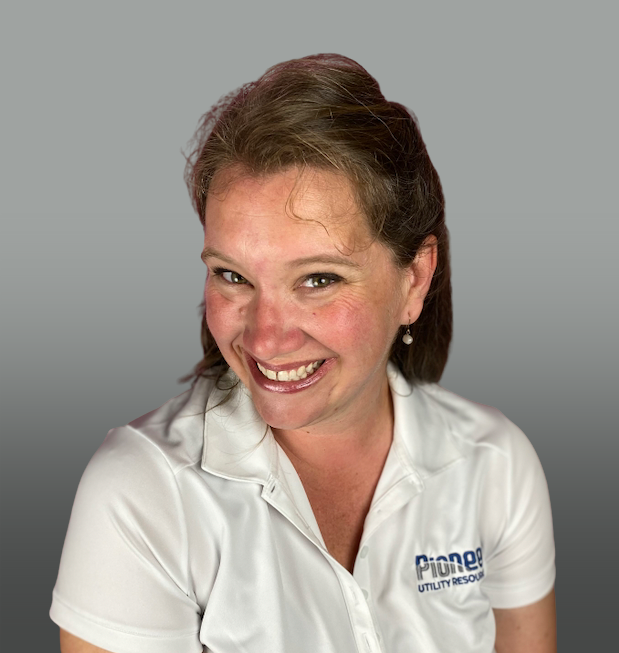
Paige Witham
Transcripts are lightly edited for clarity and readability.
Intro: A production of Pioneer Utility Resources. StoryConnect, helping communicators discover ideas to shape their stories and connect with their customers.
Megan McKoy-Noe: How can a business summit help raise your community’s story? That’s what we’ll be talking about on this episode of The StoryConnect Podcast. Hi, I’m your host, Meghan McKoy-Noe, one of the storytellers at Pioneer Utility Resources, and I am joined by Paige Witham, marketing and community relations coordinator at Oregon Trail Electric Cooperative. We are at NWPPA’s Northwest Innovations Conference in Idaho, where utility pioneers from across the northwest are sharing ideas. It’s a wonderful mash up of ideas where we get rooted in our community and really find new ways to sprout together, and too many potato jokes.
Paige Witham: Yeah, no, I think it’s great, though.
Megan McKoy-Noe: We’re having a lot of fun. It’s all about sharing ideas, and the sessions are fantastic. But I also love the casual learning and the sharing that happens all week, such as yesterday when you and I were just chatting about things going on, and I heard this amazing thing that y’all are doing at OTEC. So, Paige, thank you so much for joining us to talk about the way that you share your story.
Paige Witham: Yeah, it’s a pleasure to be here. And thank you for having me. It’s a really awesome event that I’m excited to share about.
Megan McKoy-Noe: Well, I’m excited because I had not heard about it before. You know, we talk a lot on the podcast, and in general, about residential marketing and focusing on, you know, folks in the community, the homeowners, the renters, all of this. But we also need to tell our story to local business owners. And, Paige, just tell us a little bit about the business community that Oregon Trail Electric Cooperative serves.
Paige Witham: Yeah, that’s a great question. So most of our meters are residential, right? But we have a vibrant small business community, and it’s really amazing. You go to these towns. Baker City, La Grande, Oregon, John Day, Prairie City, Burns, Oregon, just the wonderful small communities with incredible businesses. And then we have industries as well as hospitals and lumber mills and all of these wonderful industries that really contribute to the energy portfolio and just the communities at large.
Megan McKoy-Noe: The portfolio of people that you serve.
Paige Witham: Yes.
Megan McKoy-Noe: It’s a beautiful thing. Well, and you started doing something really exciting in 2022, and I’m sure you had wonderful storytelling ventures before then, but you launched just two years ago, and you’ve had three of these now. You launched Power Eastern Oregon, which is an economic development summit bringing together regional legislators, nationally known speakers, which is exciting, and your business community getting everyone together. I think you even had it on a mountain like the first two years. Tell us a little bit about what this summit looks like.
Paige Witham: Yeah. So you gave a great summary there. It is just this amalgamation of business leaders, innovators and people who really serve our communities well. And getting together, we try to choose really interesting and diverse locations for people who are coming in and visiting from out of town. And we also try to make it so that each year these wonderful people are coming in and walking away with something that they can apply to their businesses, to their communities. And so it’s really amazing to see the kind of community that can come together when you get these four diverse counties in the same room. Because while they’re all rural, they’re all eastern Oregon. Each community is going to have its own challenges and solutions to those challenges. So getting to kind of see that play out and, you know, when you look at these areas, there’s always a little bit of competition that comes out, of course. And so to see them come together and find solutions to each other’s problems is pretty amazing.
Megan McKoy-Noe: Are you saying that they cooperate?
Paige Witham: They cooperate.
Paige Witham: Oh, I love this so much, Paige. So and you’ve mentioned what those areas are, but how big of a service area is this? Eastern Oregon. What are we talking about? How big of a space?
Paige Witham: It is pretty big. I don’t know the miles off the top of my head, but I do know it’s four hours from Union County to Pawnee County. So it’s a pretty big span there.
Megan McKoy-Noe: And is it a lot of different chambers of commerce? Because generally the chamber would help out with something like this. But how many different chambers do you all serve?
Paige Witham: We serve at least four.
Megan McKoy-Noe: Okay.
Paige Witham: And in that, the chambers certainly help us get the word out about the events. And I’m able to talk a little bit more about that later, I think. But the chambers are pretty involved from a standpoint that we have them help us talk about it. But because we are serving such a big area, it was kind of the brainchild of Tucker Billman to kind of put this event on and make it a really special thing. So it’s exciting to be able to step into that space that he has created for us with the team.
Megan McKoy-Noe: Do you notice some common challenges that they all talk about? I mean, what are the biggest issues facing folks in eastern Oregon right now, specifically the business community?
Paige Witham: Yeah, so workforce development is always a huge topic. That one’s on the docket pretty frequently. And then rural health care is something that it’s not just eastern Oregon, that’s kind of a nationwide issue right now. But that’s a pretty common one. And then just education is another big one. We want to make sure that we are providing our youngest members, the best opportunity to get out there and stay in the area.
Megan McKoy-Noe: We want them to stay and to grow. I agree. Now, I looked at the 2024 agenda that you all had, and that was just I mean, now it’s September at the NIC. It was just a month ago that you had this experience.
Paige Witham: Yeah. Not even a month ago.
Megan McKoy-Noe: And you offered a national economic update. You had something called community conversations, which sounds really cool. Innovation trends, including artificial intelligence and how that was impacting businesses. And then you had sessions talking about essential services in your community. What content do your attendees really rate highly? I’m assuming you do rate like how the sessions go?
Paige Witham: We do.
Megan McKoy-Noe: And what topics are you looking at for the future?
Paige Witham: So each year we do the national economic update. That has been a staple since we started, and we are planning to continue that. That is the session that’s always rated super highly. And what we really enjoy specifically about that session is we do give that broad scale, that national view, but we also drill really deep down into specifically eastern Oregon and look at the data for that. And what I really love is that most of these conversations, we always try to approach from a data perspective, and that kind of takes some of the pain out of it, right? When you can look at numbers and kind of dissociate the people from the numbers a little bit to give your mind something to wrap around that doesn’t feel so targeted.
Megan McKoy-Noe: Something that doesn’t feel so dark.
Paige Witham: Yes. Yeah. Yeah.
Megan McKoy-Noe: That’s something we can all get behind, I feel in the power industry.
Paige Witham: Yes. But then once we do that, we come away each session with networking. And that was something that we really saw a high trend for in this year’s session.
Megan McKoy-Noe: Okay.
Paige Witham: We focused a little bit more on the networking side of things, and people loved that, along with the community conversations piece.
Megan McKoy-Noe: I was going to ask, is that the networking aspect of this, or is it something different?
Paige Witham: It’s something a little different. And so we actually ended up calling those power sessions. You know, you have to throw that pun in there.
Megan McKoy-Noe: I’m here for it.
Paige Witham: Aha. And so what we found is that we actually, that was our first year doing it. And it’s more of instead of networking in a small group setting, we got a group of about 20 of our – we broke out into groups of 20, I should say. And really just talked about the issues that we were facing in a very conversational but organized environment, which really served us well. And what we found was that each breakout session kind of had their own focus point, which was really fun. We had people from Oregon Trail Electric in each of those groups to kind of help facilitate conversations, but we didn’t need it. It was pretty amazing to see how each breakout group was really focused and collaborative and not just talking about the issues that they’re facing, but really trying to promote solutions for each other. It was really amazing.
Megan McKoy-Noe: And I want to highlight this because I think it’s really important. You’re creating a space for the community to connect.
Paige Witham: Yes.
Megan McKoy-Noe: Specifically local business owners, industry leaders from across four different areas with elected representatives, which I think is really unique. But how much of this conversation is about power needs and broadband and all that, and how much of it is really about economic development and raising each other up?
Paige Witham: Yeah, I would say it’s probably 85% lifting each other up and supporting each other in the business needs of the community.
Megan McKoy-Noe: Thus the summit. What is the summit? I should ask that. What are you trying to reach? Do you have a goal?
Paige Witham: Not necessarily. The goal is solutions. So we’re really trying to drive a solutions-based approach to issues that we’re all facing individually as an eastern Oregon region in each of our communities. It can get as small as one particular hospital. All of us trying to get together and figure out what we can do to help raise that hospital up. Or it can be something as broad as getting traction on political issues on the federal level.
Megan McKoy-Noe: Okay. I was going to ask if some advocacy works its way into these sessions as well.
Paige Witham: Absolutely, absolutely. And because we are a region that we’re bringing together, there are some pretty big issues that we talk about. From forest access and wildfire mitigation, to rural health care, they really does filter its way through to those legislators that we invite, and they’re able to take that back from the constituents to a higher level and really know what, at least the business leaders and industry leaders are really focused on and concerned about for their own communities.
Megan McKoy-Noe: I love that. Now when you and I were talking about this last night, I was starting to geek out just a little bit because I hadn’t heard about this before. You said that you limit the attendees, so talk to me about the logistical side of this, because I’m all about the idea. I think this is so cool. But logistically, how many people do you get together? What kind of an area are you having them at the utility space? Or are you finding different spaces in the communities and rotating it every year? Talk to me about how this works.
Paige Witham: So I love this question a lot, and I get to be the person that gets to put together the marketing for the space. I am not on the logistical team, but I love why we do what we do. And so we do try to rotate. The first two years we had it at the same spot for repeatability and trying to make sure that we could use that space. But what we found was that if we rotate, it kind of helps spread the wealth, so to speak.
Megan McKoy-Noe: Sure.
Paige Witham: But also it gives a sense of variety to the event that will keep people interested and engaged. Because we do have some of the same topics that come back, like the economic development and economic update and things like that. So, we try to keep the locations not only rotating, but also unique and diverse. So the first two years we were at a ski resort. This past year, we were at a wedding venue. It’s called The White Barn, and we transformed it into an event space.
Megan McKoy-Noe: Nice.
Paige Witham: But the reason that we limit number one, logistically, we want to make sure that we are keeping the event small enough that everyone has a chance to interact with one another.
Megan McKoy-Noe: Yeah, that’s important.
Paige Witham: But we also want to really make sure the people that are in the room are the ones that are going to get the most out of the event. So making sure that it is the business leaders and industry leaders, as much as we would love to open it up to the communities at large, we’re really trying to focus on a solutions-based approach in this specific event. With that being said, we are looking at doing a revised approach to an annual meeting where we do have our core annual meeting as our business update, but then we want to also partner with the fairs and things like that and really help lift that community up, help get their numbers of attendance up, and be able to provide to our membership that way.
Megan McKoy-Noe: I love that. There are several utilities that are doing that, where they’re taking their business meetings and putting them, not asking people to come to them, but going to the community where the community is already meeting and celebrating with them in those spaces, whether they’re at schools for rally events or whether they’re at fairs. I was just talking to Weston at Umatilla about that, and trying to interact with folks at the fairs and bring some of those meetings to them, bringing that experience to them.
Paige Witham: It was actually really, it’s funny you bring up Weston. He was at Power Eastern Oregon this year, and it was really helpful, beneficial to have that other cooperative voice in the space, specifically an electric cooperative voice in this space. We could kind of help bounce ideas off of each other and really lift each other up in the eyes of the industry leaders and business leaders, because they’re all in eastern Oregon. They’re all in the areas that we serve. And so knowing that this isn’t something that’s just in our area, that it extends a little bit further, so that was really cool.
Megan McKoy-Noe: It’s a broader story that we’re all part of. Yes, that makes sense. Now, do you have a committee of folks that help put together the agenda and promote it with the utility?
Paige Witham: We do. Within the Oregon Trail Electric. So.
Megan McKoy-Noe: So it’s an internal committee, not a community members. I wasn’t sure if like the chamber presidents were all we want to help with this and jumping in.
Paige Witham: I think they are so incredibly amazing at getting their own events together. We have a very robust chamber event schedule throughout the whole space. I think they’re happy to have somebody kind of take another event on that they don’t have to really have their hands in.
Megan McKoy-Noe: Now, how do you promote it and get the word out? And do you have a waitlist now? Is it gathering steam?
Paige Witham: It does seem to be gathering traction, and it really depends on what time of year we decide to make the event. It kind of varies. We do it in the fall, but we try to make sure that we’re avoiding things like the Pendleton Round-Up, which is a huge event in eastern Oregon. Big legislative events. There is the Economic Development Summit in Oregon, which is a different thing than Power Eastern Oregon. So we’ve actually started calling it a business summit. So to kind of help differentiate that. And so we really, really heavily rely on word of mouth. We take our attendee lists from previous years, obviously invite them back. And then we ask our chambers to let all of their business leaders know. But we also pick up the phone. We make phone calls to the local businesses and make sure they feel personally invited, because we do personally want them there. We want them at the table for those conversations, because the power that we can have when we cooperate with one another, versus living in these silos, is amazing. So we really want them to be involved in those conversations and to have their voice represented.
Megan McKoy-Noe: Well, I was excited about the idea of the business summit because I had not heard of something like that being done before. It’s very exciting. But then I went to your website and looked again and I, you know, I look every now and then at everybody because it’s just fun. It’s fun. But I was really impressed by a section I hadn’t noticed before. It’s a section on your website called EconomicDevelopment.otec.coop, and it focuses on building businesses in your community everywhere that you serve. You’ve got this interactive map that is on there, and I was able to turn on all the different healthcare locations, the education facilities, arts and culture areas, things that I might be interested in, even outdoor adventure spots. I could see where those were and connect to opportunities to grow my business in those areas, which I thought was amazing. How else does Oregon Trail tell their story to potential business members and the broader existing business community?
Paige Witham: I thank you for asking. It’s something that I kind of geek out over. So I don’t know how familiar you are with OTEC’s VR program.
Paige Witham: Oh, I’ve heard about this. We should say “virtual reality.”
Paige Witham: Yes. Virtual reality.
Megan McKoy-Noe: Because acronyms.
Paige Witham: I know, I know. It’s pretty amazing. So many people have now heard about our VR “virtual reality” safety presentation. A downed power line, car hit pole scenario, which we use to help train first responders and the community at large. Anybody can come in and get that safety demonstration through the virtual reality headset. But what people don’t know is we also have a virtual reality 360 degree experience of our service territory, what life looks like in eastern Oregon. And we do have those at the chambers so they can put the virtual reality headsets on and see what life looks like, see what it’s like to be in the mountains and go hiking. And what I really love about it is we can have people use the VR headsets, the virtual reality headsets, as a recruitment tool. So that is one of my favorite ways that we can help lift up that business community, bring in diverse people with great skill sets into the community and help foster that.
Megan McKoy-Noe: So where do you send these experiences?
Paige Witham: Kind of to wherever is needed. We started by plugging them in at the chambers so that people could come in and have that. But we rent the headsets out, or we loan them out, I should say. So people can request that they have someone that they want to interview or somebody that has interviewed that shows interest, and they really want to show them what life looks like. They can request that headset, we’ll send it to them. They can do that experience. We also have it just as a like click and scroll 360 experience on the, I believe it’s on the economic development page. But it’s so much cooler when you can put yourself in that space.
Megan McKoy-Noe: Do you worry about people like walking off the summit while hiking in this virtual?
Paige Witham: That’s a really good, that’s a really good point. We have people sit down when they do it.
Megan McKoy-Noe: Smart.
Paige Witham: Yeah, because I don’t know how much experience you have in playing the games.
Megan McKoy-Noe: I’ve done a little bit, but not much.
Paige Witham: The games are not supposed to let you fall. Doesn’t always work that way. And I absolutely like face planted when I was wearing one one time. So I’m really glad that OTEC makes safety a priority and has people sit down.
Megan McKoy-Noe: Me too. I’m glad you’re okay, and you survived. And then you’re making sure you rise up and don’t trip up folks that are excited about eastern Oregon.
Paige Witham: Exactly.
Megan McKoy-Noe: All right, one last question before I let you go. I know it’s lunchtime here, everyone. It’s such a fun conference.
Paige Witham: I love it.
Megan McKoy-Noe: I’m glad that you were able to take some time to talk to us about this, but what advice do you have for a utility looking for ways to build stronger storytelling connections within their business community?
Paige Witham: That’s a really good question. So being marketing, one of the tools that I think is maybe underutilized is going and just talking to your chamber. Talking to your business owners and seeing if you can do just a short feature to your membership about these business owners, doing just short form video or going, and we’re in the process of potentially developing a long standing podcast. So we’re really looking forward to being able to highlight our community partners that way. But, you know, it doesn’t have to start with something big, like a summit. It’s a lot to put on, and I could understand where it would be very daunting. I’m really glad that it was existing by the time I came on, but just really making that face-to-face connection is one of the biggest things that you can do. Because not only then are you being an ambassador for your community, but they’ll turn around and do the same thing for you.
Megan McKoy-Noe: Oh, that is wonderful. Well, thank you so much for sharing your story with utility pioneers. She is Paige Witham from Oregon Trail Electric Cooperative, and I’m your host, Megan McKoy-Noe at Pioneer Utility Resources. And until we talk again, keep telling your story.
Outro: StoryConnect is produced by Pioneer Utility Resources, a communications cooperative that is built to share your story. StoryConnect is engineered by Lucas Smith of Lucky Sound Studio.