Share


Connect to your community with emotions. Play to learn how to put tech in action at your utility. And when working with kids, expect the unexpected.
These were some of the highlights from April’s StoryConnect 2026 on the Puget Sound in Tacoma, Washington.
Some of the best StoryConnect moments need to be experienced in person. I’ll never forget a feather-boaed Nicole Randall lipsyncing to Adele during the Idea Exchange—her co-op, SCRTC, joined a community lipsync battle and helped raise $53,000. And when Jaime Dopp shared that a lineworker’s child thought her dad worked as a pole dancer, the room erupted in laughter, while jotting down notes to ask staff members’ spouses to help with social campaign content. Peer ideas are the best!
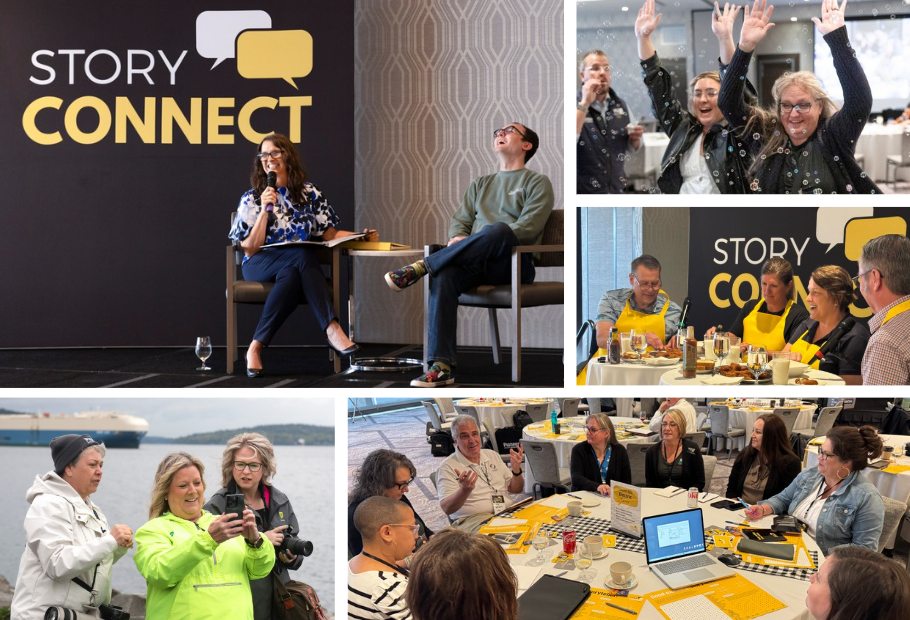
Couldn’t make it? We missed you, and we hope you can join us April 5-8, 2027, in Santa Fe, New Mexico, for our next conference adventure. Here are some key learning moments for folks who couldn’t join us in the real.
1. Play to Learn
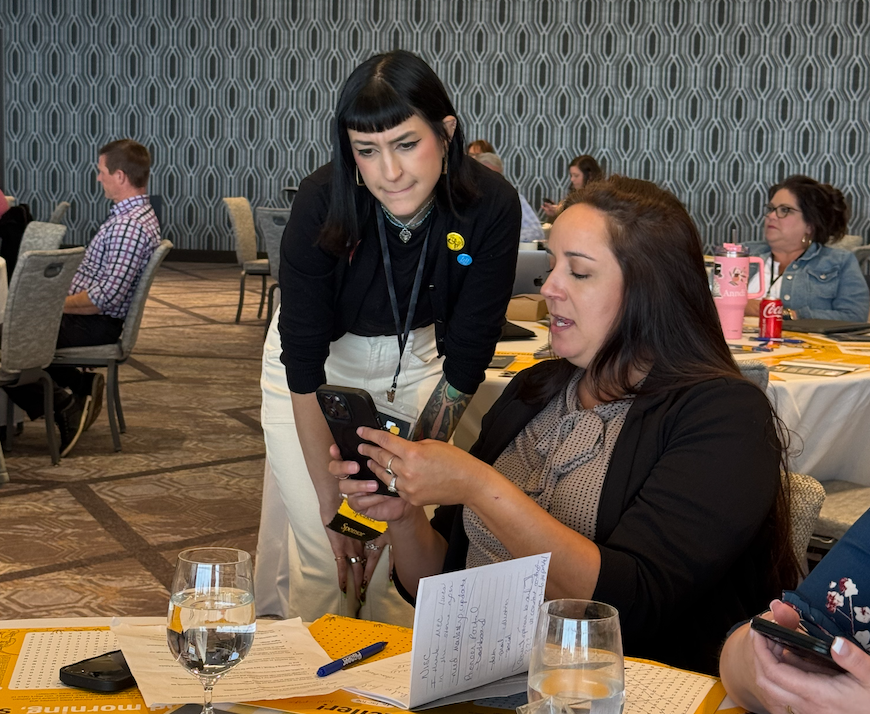
One of the top-rated sessions, led by Meridian Cooperative Marketing Specialist II Allyson Goodnight and Pioneer Lead Social Media Content & Account Manager Misty Henderson, was a hands-on adventure to create video reels for social sharing.
The duo demonstrated how to use Edits, an Instagram-owned app, to add filters, captions, special effects and easily edit content with AI. After each feature was explained on stage, attendees used the app to edit their own videos and images, with Allyson and Misty on hand to help explain key features.
The best way to learn, they reminded attendees, is to play. Allyson’s cats featured in many examples, since she learned how to use it when making personal content.
Several attendees said they loved the hands-on style of the class and want more technical training. Do you agree? Send future topic ideas to hello@pioneer.coop!
2. Connect with Emotions
As a writer on shows like “Paw Patrol” and “Spirit Rangers,” Joey Clift specializes in storytelling for one of the toughest audiences out there—kids.
Pioneer Editorial Director Chasity Anderson interviewed him on stage, followed by a lively Q&A with the audience. His advice always came back to identifying emotions to connect with your audience.
“Start from an emotional place, because emotions are something you feel regardless of your age,” Joey shared. “It’s important to speak to kids on their level. The way that a 3-year-old takes in information is not that different than the way that a 50-year-old takes information. Only their references are different.”
Utility communicators are often asked to tell the same story repeatedly, scholarships, youth programs, safety messages. Fun fact—so are TV writers.
“Consider emotional connections to the idea,” Joey said. “Is there a different point of view we can explore? What other formats can you use to show that message? Metaphors and similes often work really well. I think that with kids, you have to really boil it down. What is the core version of the message and what does [your topic] represent that they would respond to?”
Miss this session? Hear Joey’s story on Episode 367 of “StoryConnect: A Pioneer Podcast.”

3. Invest Time in Pictures
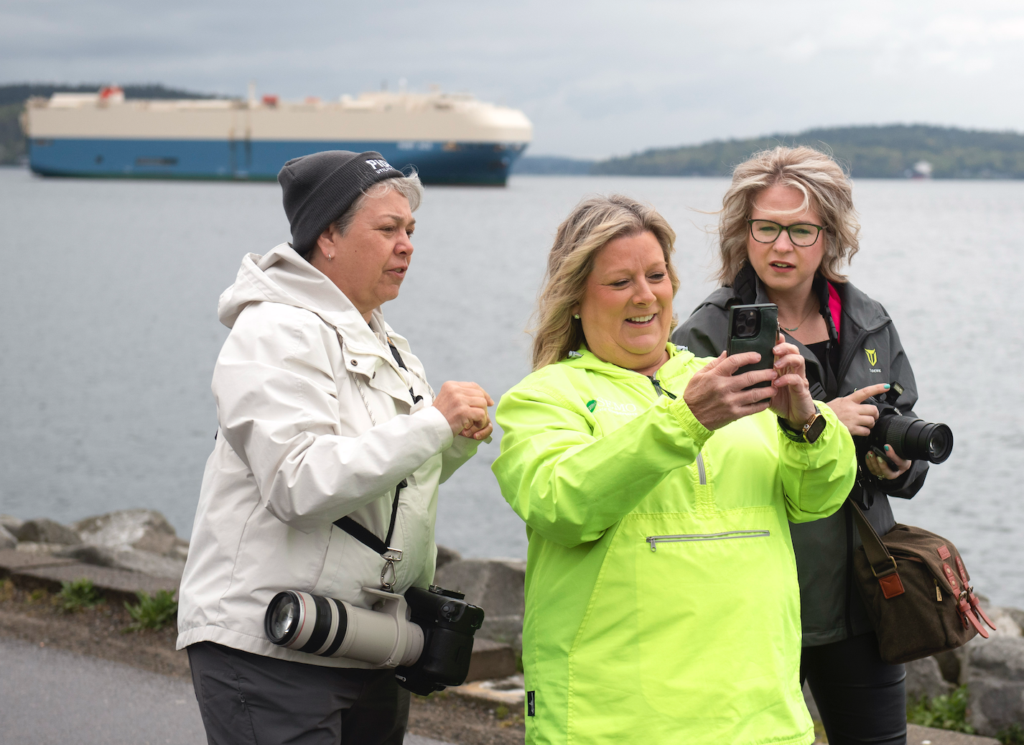
A key part of StoryConnect is the photography class. Robin Conover stepped in to lead at the last minute, and after a set of sessions and a brisk early-morning photo walk, she shared some tried and true photography rules.
“Composition is what keeps your reader’s eye on the photo,” Robin said. “Investigate it, shoot and never shoot just one picture.”
“We all invest time in writing stories. Invest time in your pictures, too,” said Robin. “In magazines, if the visual’s wrong, they’ll keep flipping.”
Want more insights from Robin? You’ll love her article, “The Art of Seeing,” on Pioneer’s blog.
4. Use Clarity and Consistency to Build Your Brand
Personal branding is a challenge for everyone, especially folks who prefer standing back from the crowd. Branding expert Goldie Chan shared how introverts can build a memorable, relatable and unforgettable personal brand for the workplace and beyond.
“Personal branding is how you show up both online and offline,” Goldie said. “It is who you are, what you do and why you matter.”
Goldie focused on the five Cs of personal branding:
Miss this session? Hear Goldie’s story on Episode 361 of “StoryConnect: A Pioneer Podcast.”
Save the Date for StoryConnect 2027!
We hope you can join us April 5-8, 2027, in Santa Fe, New Mexico, for our next storytelling adventure. We’re using all of your feedback to start planning for next year, where you’ll learn how to outrun the ordinary. We can’t wait to see you there!