Share


In May, the National Rural Electric Cooperative Association’s 2025 CONNECT Conference delivered sessions packed with storytelling ideas for Utility Pioneers. We sponsored the event and sent several of Pioneer’s storytellers to CONNECT with members and to learn from industry experts.
From rediscovering the power of play to thinking INSIDE the box to boost creativity, five of the ideas we heard at CONNECT are already changing how we approach our work. Naturally, we had to share!
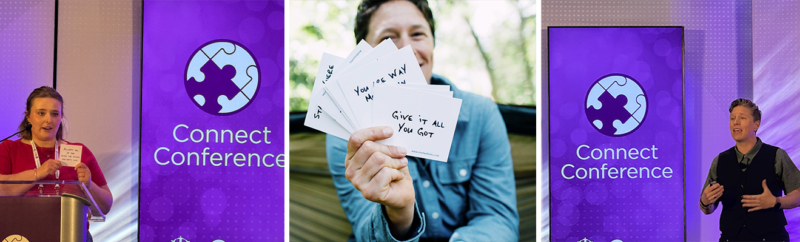
At a time when many of us feel burned out, CONNECT kicked off with a session focused on play and sparking joy. Keynote speaker Marli Williams, a professional camp counselor for adults, believes play isn’t frivolous. It’s essential.
She busted three myths that keep us from embracing play at work:
“When we’re overwhelmed, when we’re stressed out, when we’re burned out, we have a harder time getting things done,” Marli says. “Play and joy are the antidotes to burnout.”
She has three tips to spark joy and restore play in the workplace:
Every attendee picked a StokeQuotes, a reminder to trust yourself, make time to play and to keep going.
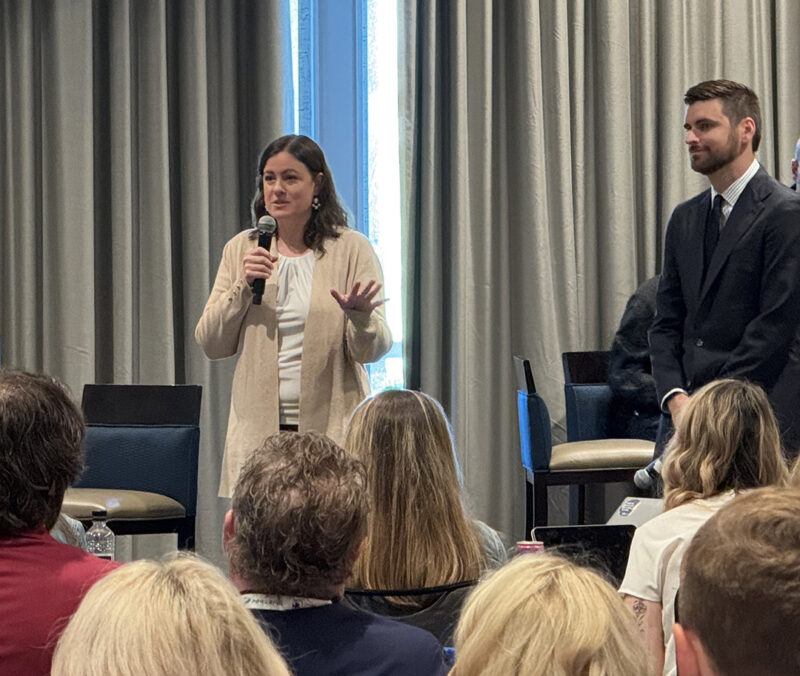
When hurricanes hit Florida, Florida Electric Cooperatives Association Director of Communications Alisia Hounshell knows preparation makes all the difference. During a session on crisis communications, she shared her three-pillar approach to crisis communications:
“It’s nothing new, but social media amplifies everything,” Alisia says. “The key is telling your story proactively. If you don’t, someone else will tell it for you.”
Get more crisis communications tips and tools from Pioneer’s free eBooks and toolkits:
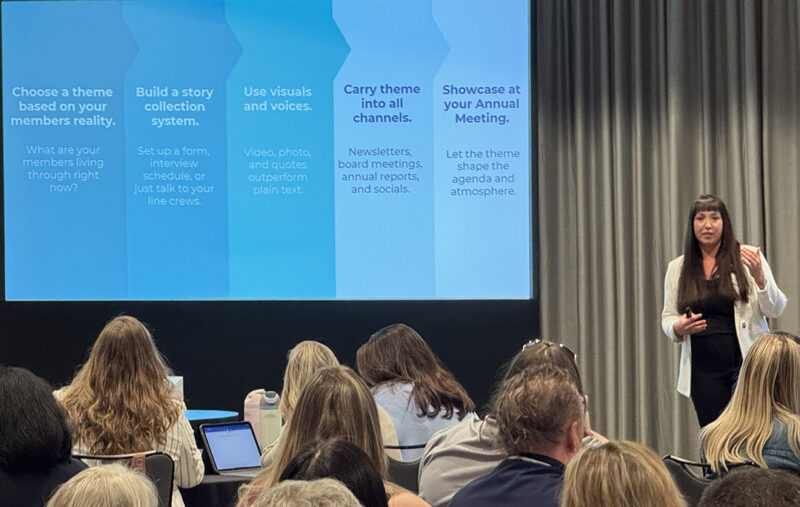
At Umatilla Electric Co-op, Public Relations Supervisor Jodie Thomas cracked the code on finding authentic member stories. Her secret? Make collecting stories part of everyone’s job.
Jodie shared the story of Marilyn Colcord, who reads UEC’s edition of Ruralite magazine with friends every month, then scours the marketplace ads to find items people need and ships them for free. A board member mentioned the story to a UEC staff member at the annual meeting, and it became one of the co-op’s most popular features.
Her staff story-gathering system works because it’s intentional. She told CONNECT attendees to:
The payoff? When members see themselves in your story, they don’t just participate. They advocate for you.
We love storytelling, so some Pioneer staff joined a breakout session with Jennifer Rowe, a professor at the Missouri School of Journalism. Her key insight? Know when you need a report versus when you need a story.
Every true story needs four elements:
Instead of starting with background facts, drop readers into the middle of action. Rather than, “The storm caused widespread outages,” try, “Sarah Mitchell called the co-op for the fourth time in two hours, her voice cracking as she explained her newborn’s breathing machine had been silent for six hours.”
Jennifer’s golden rule: Use concrete details, not more adjectives.
“Pick the right noun,” she suggests. “It’s so much easier than loading up a page with too many descriptive words.”
Closing speaker Andrew Davis flipped conventional wisdom by arguing that constraints—not unlimited freedom—breed creativity. His “Cube of Creativity” has four sides that work together:
Drew shared how Dr. Seuss, constrained to just 50 words, created “Green Eggs and Ham,” generating roughly $1.1 million per word. Breeze Airways found profitability by focusing on one small constraint: by asking cleaners to not cross seatbelts during plane cleaning, the airline saved 10 minutes per plane turnaround and became profitable.
The takeaway for Utility Pioneers? Next time you face a creative challenge, embrace your constraints and use them to fuel innovation.
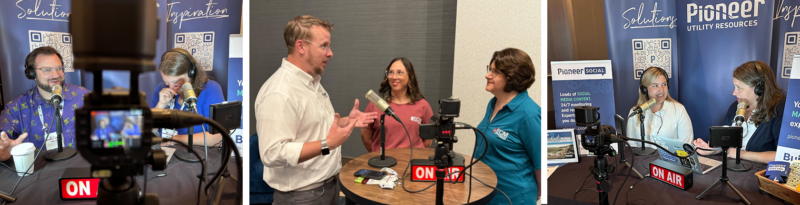
We hear you. That’s why we recorded five episodes of “The StoryConnect Podcast” with Utility Pioneers at the conference. Subscribe or follow the podcast on your favorite audio storytelling channel or on our YouTube channel to get an alert when the episodes are out!
To create this blog post, Megan used Descript and Evernote to transcribe audio clips she made at the sessions. Then she asked Claude to summarize highlights from each transcript into a blog post matching her set style at less than 700 words. She and Pioneer’s team edited the result. Want to work faster with AI? See how we use AI-powered tools to share ideas faster at www.pioneer.coop/aitools.