Share
Hydromania may sound like a music festival in the Gorge, but it’s a free summer camp for fourth and fifth graders from Umatilla Electric Cooperative. Weston Putman shares the camp’s origin story and how it is building the next generation of co-op members.
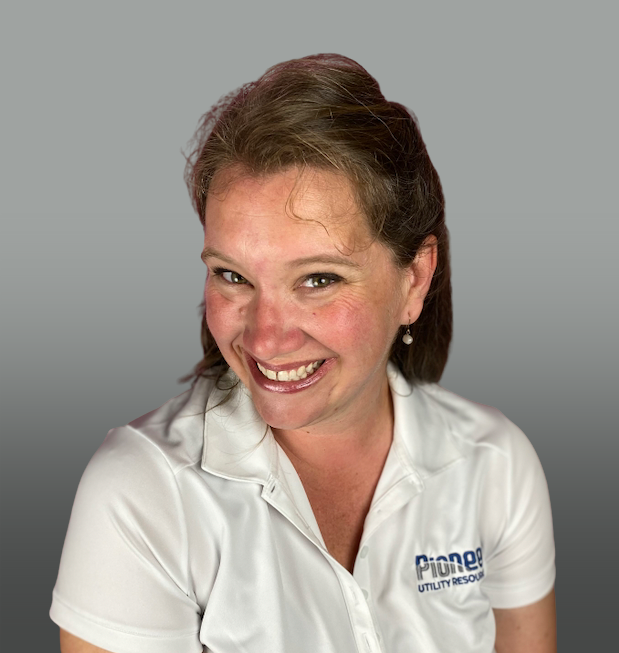
Weston Putman
Transcripts have been lightly edited for clarity and readability.
Intro: A production of Pioneer Utility Resources. StoryConnect, helping communicators discover ideas to shape their stories and connect with their customers.
Megan McKoy-Noe: How to make a splash with a Hydromania Summer Science Camp. That’s what we’ll be talking about on this episode of “The StoryConnect Podcast.” Hi, I’m your host, Megan McKoy-Noe, one of the storytellers here at Pioneer Utility Resources, and I am joined by Weston Putman. He is the manager of public relations at Umatilla Electric Cooperative in beautiful Oregon. I have driven by y’all’s amazing.
Weston Putman: It’s beautiful.
Megan McKoy-Noe: It’s so pretty out there.
Weston Putman: Thank you.
Megan McKoy-Noe: And you are adding some color to the scenery, I should say, with this program. So, Weston, thank you so much for joining me today. We are recording live at the Northwest Public Power Association’s NIC Conference, Northwest Innovations and Communications, I believe, and you’re on the committee. So thank you for everything you do.
Weston Putman: Well, thank you.
Megan McKoy-Noe: To get these ideas together.
Weston Putman: And thank you for having me.
Megan McKoy-Noe: Weston. Of course, I’m excited because I have to tell you, I geeked out when I heard about y’all’s camp. And then when I heard you were going to be here, it just seems like the perfect time to talk about this.
Weston Putman: Absolutely. It is a wonderful camp.
Megan McKoy-Noe: Summer camps. I mean, you’re speaking my love language as a mom. So if you hear any background noise, y’all, it is ambiance. We’re setting the mood for learning and mashup of ideas here at the NIC in Idaho. So Hydromania, when I first heard about it, I mean, it could be a lot of different things. It sounds like it could be maybe a music festival in the Gorge or some new magazine that’s popping out for kids.
Weston Putman: And I do think Hydromania, and I don’t know where it is, but I think it’s also a water park.
Megan McKoy-Noe: Of course it is.
Weston Putman: So that also could be what it is.
Megan McKoy-Noe: Does anyone show up for the camp thinking they’re going to be at the waterpark?
Weston Putman: Fortunately, no, not that I’ve heard.
Megan McKoy-Noe: Okay, good. There’s always room or time for that to happen, but still. But no, it’s not. It’s not a park or a group. It is this amazing summer camp that y’all have for fourth and fifth graders, which is a fantastic age to reach with your story. And this is not a new idea. So talk to me about where this idea came from and why it works.
Weston Putman: Yeah. So thank you again for having me on. Hydromania is one of our most, you know, passionate projects that we have at Umatilla Electric. I do want to give kudos right from the bat to a woman on our team named Amy Callan, who leads all of our youth activities. She is so passionate about Hydromania. So before I even begin, I just want to give kudos there. To my knowledge, I’ve only been at Umatilla Electric for four years, or upcoming I’m four years.
Megan McKoy-Noe: It feels like longer, sir.
Weston Putman: But well, thank you. But Hydromania to my knowledge, we just celebrated our 25 year anniversary of Hydromania.
Megan McKoy-Noe: Wait, did you have camp patches to celebrate?
Weston Putman: That’s a wonderful idea. No, I know, but we did just celebrate 25 years and staff at the time, I must have had this idea to be able to do this camp, for it was initially fifth graders. We branched out to fourth graders, and so we initially had just one grade. And to be able to do a what it is now a summer science camp to where, as you mentioned, they get to learn about science, engineering, agriculture in the field. They get to visit farms. They get to visit processing plants, food processing plants around our area. And so we’ve been doing it for 25 years. And again, it must have just been an idea from staff at that time. And we’ve just been able to do it over and over again with, of course, new ideas, new events, new new field tours for the children. So it’s just a wonderful program.
Megan McKoy-Noe: Well, and you mentioned some of the activities, you know, it’s blend science, water information and education, environment education, energy education. But let’s break it down. What kind of activities are they doing at the camp?
Weston Putman: Yeah. So we try to split it to where they’re doing kind of 50/50 of in-person activities within a classroom, and then 50% of field tours. So some of the activities for this past year, they got to make their own paper. So they got paper, and they were able to use those boxes that you can sift water through and press it and make your own paper. They get to do where you make the contraptions with like straws. There’s paper, rubber bands, and you make the contraption that protects eggs.
Megan McKoy-Noe: Wait, that protects eggs?
Weston Putman: Yes.
Megan McKoy-Noe: Are you going to throw the eggs somewhere? Is this like, because I’ve seen that with the egg drop.
Weston Putman: So this. If there’s no other way to tell it, this is a perfect explanation of why this is a cooperative summer science camp. So with this event, we always bring a lineman to come in with a bucket truck.
Megan McKoy-Noe: Yes.
Weston Putman: And the kids have an opportunity to build some sort of contraption. It’s up to them how they want to build it, but they’re supposed to engineer it to be able to protect the egg from a fall from a bucket truck.
Megan McKoy-Noe: Yes.
Weston Putman: That’s an activity that they start in the classroom, and then they come out, and they are able to test their contraption and how it works.
Megan McKoy-Noe: Can they use parachutes?
Weston Putman: Some of them try, some of them try. Sometimes they don’t always do what they need to do.
Megan McKoy-Noe: Who cleans up after the egg drop?
Weston Putman: We do. Staff.
Megan McKoy-Noe: I’m sorry.
Weston Putman: Okay, so we do have counselors and directors as part of it too. Some of them are often, you know, perhaps college students who are home for the summer and able to learn a little more experience there. So they do a wonderful job. And then on the flip side, the tours, you know, we have a lot of large farms in the area and all of them are so open to bringing the kids on and giving them tours of the farm and their own facilities. We have a lot of large food processing plants, and they get to go have tours of the whole line, like from start to finish, from like beginning to shipping out the door. They get to view those.
Megan McKoy-Noe: For now, i just because now I’m hungry. What kind of food?
Weston Putman: Potato processing is probably one of our biggest ones. Yeah. Yeah.
Megan McKoy-Noe: I am a huge fan of potatoes.
Weston Putman: It’s just perfect timing in Boise.
Megan McKoy-Noe: If you’re watching the video of this, we have a potato that we’ve been throwing around the conference. If I hit you with a potato, I apologize.
Weston Putman: Good thing you can’t hit the audience.
Megan McKoy-Noe: Right? I know. I can’t hit anyone watching on the video. But yeah. So potato processing, and then do y’all have? You have a lot of other things going on.
Weston Putman: Yeah. So we have a wonderful facility that our Puerto Mauro has put in. It’s called the Sage Center. And really what it is, is just a centralized location to highlight almost all of our service territory, which is not just for UEC, but I meant more of all of eastern Oregon. So we, they’re able to highlight the farming. They’re able to highlight some of the industrial, some of the food processing that we have.
Megan McKoy-Noe: All of that sounds like learning about your community and really getting rooted in the community. But it’s called Hydromania. How do you add some water to this?
Weston Putman: Yeah. So and then, back into the classroom. They have classes, videos they have to take not so much tests, but we do quiz them on what they learned about hydropower. And so they learned about hydropower, and the resource it is for electric power in the northwest and across the country. So they do get exposure to that as well. So that’s really where the name comes from. And of course, when you just say Hydromania every year, you’re just bolstering how important hydropower is to public power.
Megan McKoy-Noe: Not that it’s manic at all.
Weston Putman: We’re trying to start them young. We’re trying to start them at fourth grade, and then they’re just gonna have it the whole time.
Megan McKoy-Noe: I love it. I love it. I mean, you have to start young.
Weston Putman: Right.
Megan McKoy-Noe: If you want to tell your story and you keep telling it over and over and over again. So this camp sounds amazing. I have seen pictures, which again, is why I was like, Weston, I need to talk to you about this. It’s just really exciting. And as I am the mom of a rising fourth grader, so I mean, the value there is.
Weston Putman: You can move to Hermiston at any time.
Megan McKoy-Noe: I appreciate that. I know she also loves watermelons, so it’s a whole. I know, I know, it’s a whole thing. Potatoes and watermelon. I mean, what more could you want.
Weston Putman: Right? It’s a wonderful place to live.
Megan McKoy-Noe: It’s a wonderful place. So let’s dig in. If anyone likes this idea, the idea behind The StoryConnect Podcast is to tell folks about really cool ideas and then break it down for them.
Weston Putman: Right, right. Let’s do it.
Megan McKoy-Noe: How can you make this work for you? So let’s dig into this. How many students can attend the camp? And its three weeks, right?
Weston Putman: Well, there’s three, two-week long camps, so it’s six weeks total, three separate camps with three individual classes, if you will. So three. Yep. So each class is 25 to 30 students. They’re together for two weeks. And then they’re done. They go through the same thing. And then the second class does the same same setup, same activities, same tours. But it’s another 25 to 30 kids. So with the three camps you’re looking anywhere from, we’ve had 75 kids. We’ve had close to 100 each year. And we fill it with ease every single year.
Megan McKoy-Noe: I was going to say so it’s in June and July, and I didn’t realize it was two weeks for each session.
Weston Putman: Yeah, and it goes in a little bit to August too sometimes.
Megan McKoy-Noe: Oh my gosh. Okay. So when do you start promoting this?
Weston Putman: August for the following year.
Megan McKoy-Noe: For the next year?
Weston Putman: Yep.
Megan McKoy-Noe: Okay.
Weston Putman: So what we’ve done before in the past is our Umatilla County Fair. It’s a large fair in Eastern Oregon. What we’ve done is sponsor what is called a gate sponsorship. And so we’ve done that before. We didn’t do it this past year, but we did it two years ago to where any child ten and under gets in for free that day. And so we use that as an opportunity to why not use that to educate about Hydromania. These kids are already going to be there. They’re going to come because they’re getting it for free. And so we’ve had sign in sheets there, and so we start promoting it right there. And we participate in the Umatilla County Fair Parade every year. And we do it obviously as Umatilla Electric. But staff and volunteers who are running the parade are all wearing Hydromania shirts, and we toss out Hydromania shirts. We toss out Hydromania swag in the parade. So we already start pretty much as soon as the camp ends. We’re already looking to fill for next year.
Megan McKoy-Noe: But again, it’s free.
Weston Putman: Yes.
Megan McKoy-Noe: For two weeks. You have no idea how much it costs for. Well, you might, you might for summer camp at least where I am in Georgia. It’s expensive, and it fills up fast.
Weston Putman: I got a two year old, so I’m sure I’m going to find out soon. Yes.
Megan McKoy-Noe: So it can be. It can be expensive. So I have to imagine you don’t have to. It’s not a hard sell, right? Like, how quickly does it fill up?
Weston Putman: Days. We’ve had it before where it’s like a day or two because we just put it on a form on our website. And people can go in there and submit all the information they need to do. And we’ve had it where it’s a day or two. There’s been times where it takes a little bit longer, but I would say you’re never looking at more than a week or two to fill.
Megan McKoy-Noe: Filled the year before?
Weston Putman: Well, so I guess we start getting interest in August, but we really launch registration. Okay, that’s a good point. So let me kind of redact. So in August we take like an interest form of who would be interested. So we send them an email when it’s officially launched. Yes. We officially officially launch probably anywhere from March to April. So that is when we open registration. And then from there is when typically it’s a day or two or even a week.
Megan McKoy-Noe: And is there I mean, it’s a process because the interest is huge for this program. So everyone can’t come. You’re limited to about 100 kids, give or take. So talk to me about the, you said there’s an interest form, but then you have to choose which students get to go. So part of the application is a 30 word essay, which my daughter would have a lot of fun with, I’m sure. So tell me, what do you see with those essays? And why do kids say they want to attend?
Weston Putman: Right, and so with 30 words, you can imagine some of these kids get pretty creative with what they do. But I think some of our most heartwarming or heartfelt essays are, we often hear from kids that an older brother or an older sister got to go to Hydromania, and ever since then they’ve been wanting to go to it. Or then you get even a little bit deeper where we hear from students or campers who, you know, state that they’ve never gotten to do something like this, and this is something that they’ve really wanted to do. So you just you’re able to, when you read those essays, kind of see and understand what students or campers who truly want to be there and potentially those who you know may be doing it just for whatever reason. And so we.
Megan McKoy-Noe: Because their mom asked them to?
Weston Putman: Maybe.
Megan McKoy-Noe: Yes, yes.
Weston Putman: And so we really try to focus on the ones that truly want to be there and truly want to learn. And I think when you just read those heartfelt and heartwarming essays, it’s pretty easy to find those.
Megan McKoy-Noe: Very, very exciting. And a 30 word essay is an interesting length to try to limit them to their story. That’s really cool.
Weston Putman: And then you you asked, how we limit it. So we also because we want every student to have an opportunity to try to do it, and it’s fourth and fifth grade. We do prioritize that it’s students who have not gone before. So if you’re a fourth grader and are registering fifth grade, you can register. You’ll just be waitlisted until there’s no one else. Like until you’re able to fill in. And we often get kids who do come back, but we also want to open the door for a student or camper who hadn’t had the opportunity the year before.
Megan McKoy-Noe: Yeah, no, that makes complete sense. Now, as part of this, talk to me about the logistics for Umatilla, because you’ve got the counselors, and I’ve seen you post job openings for the counselors earlier in the year, and you look through social media and I’m sure other community groups to find people. So you’ve got several staff members that just focus on this. How much does this cost for y’all to run?
Weston Putman: So we do. So we do pay the salary and labor for the director and counselors.
Megan McKoy-Noe: How many people are that?
Weston Putman: You’re looking at 4 to 5 counselors in a director, and these are typically, even the director is typically college students. And what we try to or who are going to college right now and are back for the summer. And what we typically try to find are students or community members who are going to be wanting to do Hydromania for a long time, because it’s hard. What we found in recent years is like, unfortunately, we’ve lost a couple directors or lost a couple counselors, and it’s hard to fill in and try to educate with such a short timeline.
Megan McKoy-Noe: Right.
Weston Putman: And so what we found is we really want to try to have people stay with us for 3 or 4 years and help build the program to what it is. And so we do pay the salaries. In terms of logistics of busing, food for the past two years at least. I can’t speak before that. We’ve had to pay, Umatilla Electric has had to pay, but two years ago, one of our members and one of our wonderful community partners, AWS, which stands for Amazon Web Services, was a huge donor. And so Umatilla Electric, did not have to pay for Hydromania, and so we partnered with them on that. And then this year, the city of Hermiston, which is where Umatilla Electric is headquartered, has also partnered with us. And so we’re not.
Megan McKoy-Noe: I feel like they were kind of saying, oh, this is a good idea. And we need to get on this.
Weston Putman: We hear it often from individual community members, but then community partners that we, they see it as a wonderful program and are super wanting to give back, either to the campers or to Umatilla Electric. And we are able just to partner with them. And so we’re super grateful for that.
Megan McKoy-Noe: Do you have to do co-branding?
Weston Putman: Sometimes. So the city of Hermiston, we did because they got a – the reason we got the funding from them or how we got the funding from them, is they were successful in receiving a grant for tree education or tree conservation through the city. And part of that was educating students or the youth on tree education. And they already knew we did that in Hydromania. So they were like, if you just added a bit more to this, could we help sponsor Hydromania? And we said,
Megan McKoy-Noe: Yes, please.
Weston Putman: Of course. Yeah, yeah.
Megan McKoy-Noe: We will take that money. Thank you.
Weston Putman: Then Amazon Web Services was the same. So in our Ruralite magazine or on our website, we co-branded with them, and it was. They are a great partner as well, so it was easy to do.
Megan McKoy-Noe: I love that. It makes it even better because it’s still your program, and you’ve been doing it for a quarter of a century. And now you’re getting community support. So it’s not a huge burden on the members, because I could imagine some folks would say, well, I don’t want my member dollars paying for summer camp.
Weston Putman: Yeah, and to that point, they’re very respectful about that, that we, and we do it in a kind and professional way, obviously. But we do have some sensitive ownership to that. We’ve been doing it for 25 years. We feel like we want it to be our program, UEC’s program. We’ve seen a lot of campers come through, so it’s pretty special to us. But you talked about how if someone was thinking about doing this, so I want to talk about the cost before. You’re looking, especially with bussing, logistics, running six weeks of camps, we look anywhere from 10 to 20,000 probably. So it is a pretty undertaking. But if you find partners, because even before these large donations or support that we received from our community members. Years prior, we had businesses donate and volunteer or support in other ways, too. So I think if you are able to establish a program and establish a successful background or prove that you’ve been successful with it, you might find that you’re going to have a lot of community partners who want to help and support.
Megan McKoy-Noe: I love that. How have you, especially over this 25 years, how have you measured the impact of Hydromania in the community? Because, you know, every little bit of water helps build over time and can wear things through, and just the power can really grow. And what’s the benefit to the co-op? How has this helped you tell your story?
Weston Putman: Yeah. So I think sometimes with the kids, so our education, especially with Hydromania, we try to start it obviously from fourth and fifth grade. And I think how we try to measure it is if we hear from community members that a student really enjoyed Hydromania and maybe learned specifically about hydropower or whatever it may be, that is, I guess, our best way of measuring it. Is more of just word of mouth of what we hear from the community. And so far it’s been undoubtedly positive. And so we know it’s going well. And I guess a way that we measure it or want to continue to educate is just, yeah, start them young, fourth and fifth grade. I mean, you’re looking at I think that’s anywhere from 10 to 12 years old. And when you’re starting that young, and you’re just going to a camp, and there’s been students who continue to talk about it. I have a perfect example of my wife, who is from Hermiston, went to Hydromania.
Megan McKoy-Noe: No, she didn’t.
Weston Putman: And tells me over and over again that she won. It’s, at the end, they do kind of a knowledge bowl where you have to take a test and all you did. And at the time you got a little like, I think it was like a plastic or glass ball. She said she won it. And I tell her to prove it to me where that’s at, but she can’t find it. So I’m thinking something’s fishy. But she did it. And so she continues to talk about it. She has friends who did it, and she’s now 26. And so you’re talking, you’re 26 years old, talking about something you did in fourth grade, and you continue to talk about it. So that’s how we measure the impact.
Megan McKoy-Noe: I love that. And with all of those kids that have gone through the program, I appreciate that you married one of them. So that’s how you keep track of her, right? But how else do you track, or do you, try to keep following up on that story with folks that have gone through the program?
Weston Putman: Yeah. And just to be clear, I don’t know if I would have married her if she didn’t go to Hydromania.
Megan McKoy-Noe: Fair. Thank you for clarifying that for everybody, Weston.
Weston Putman: No problem. But yeah. So again, back to Amy Baker. She’s one of the most organized people I’ve ever met. And she does a wonderful job of spreadsheets of names every year. And it’s great that you just asked this because in our past September Rulite, like just like a couple weeks ago, we launched “a where are they now?” Two page spread in our Rulite. They’re not just Hydromania, but there is a student in there. But we did it for Washington, D.C. Youth Tour. We participate in the Idaho Youth Rally since we’re fairly close, and then Hydromania. And so we highlighted four students, some were scholarship winners. One was Washington, D.C., and the one that’s Hydromania, we highlighted because he’s now an electrician. And so it comes right back to the industry. And so she keeps track of all of our youth activities. And so we can do things like this, whether it’s a video or whether like for the Ruralite, it’s a two page spread of the where are they now? And with those four students, one was a physician assistant, one’s in nursing, and then one’s an electrician, and then one’s at Stanford studying international relations. And similar to my wife, who knows if they would be doing that if they didn’t have Hydromania. That’s right. You can’t you can’t say Hydromania didn’t help.
Megan McKoy-Noe: Yeah, her whole life would be different. (laughs) Well, and I’ve heard of some utilities, especially if Amy has the spreadsheet and all this information to follow the kids. You know, when it is time for scholarships, letting them know and keeping the story going with other opportunities down the line. When it’s time for Washington Youth Tour, you have a list of folks who already know your story and might already be champions of yours in the community, so letting them know about opportunities throughout their time as they’re growing up in the community.
Weston Putman: Yeah, exactly. And so that one going to Stanford is a perfect example. She was one of our Washington, D.C. youth students, so we knew she was a great student, and then would come scholarship season. We saw her name and was like, yeah, of course. And so that’s just the, I guess, cooperative impact. And that, to answer your question, is how we track. And it was just great timing because, yeah, we did just run that in our Ruralite.
Megan McKoy-Noe: I cannot wait. We’ll have a link to that story at pioneer.coop/podcasts in this episode so that folks can read it and see. And if you have, if you mind, any information about Hydromania, maybe some examples of your applications and stuff, we’ll definitely have links there so that folks can see more about the experience that y’all are offering to folks. So just one last question before I let you go and eat breakfast with everybody here at the NIC. If another utility is thinking about developing a summer camp, what advice would you offer?
Weston Putman: Just do it. And I know that’s easy to say, but you don’t have to. So during this podcast, I think it’s been easy for me to talk about it because it’s again, been 25 years. I’m sure in year one it wasn’t as easy to talk about. And perhaps there were challenges, perhaps there were struggles or, you know, perhaps it wasn’t six weeks of camp. If you just do it and maybe you’re starting at a three day camp, and maybe that’s how you start it, and maybe it’s only 8 a.m. to noon, and that’s just how you want to kick off. I would just say try it, start it, and just do what you can with the bandwidth you have, with the resources you have with the community partners you have. So it’s kind of cheesy to say just do it, but I do think that is my answer is just try to do it. And again, it doesn’t need to be six weeks of camp. That’s been 25 years in the making. If it’s three days, if it’s a week, I think you’re still making an impact on your youth.
Megan McKoy-Noe: Weston, I love that. Thank you so much.
Weston Putman: Thank you again for having me.
Megan McKoy-Noe: For sharing your story with utility pioneers. It’s just, it’s so exciting. I’ve wanted to talk to you about this for ages. So he is Weston Putman from Umatilla Electric Cooperative, and I’m your host Megan McKoy-Noe at Pioneer Utility Resources. And until we talk again, keep telling your story.
Outro: StoryConnect is produced by Pioneer Utility Resources, a communications cooperative that is built to share your story. StoryConnect is engineered by Lucas Smith of Lucky Sound Studio.