Share

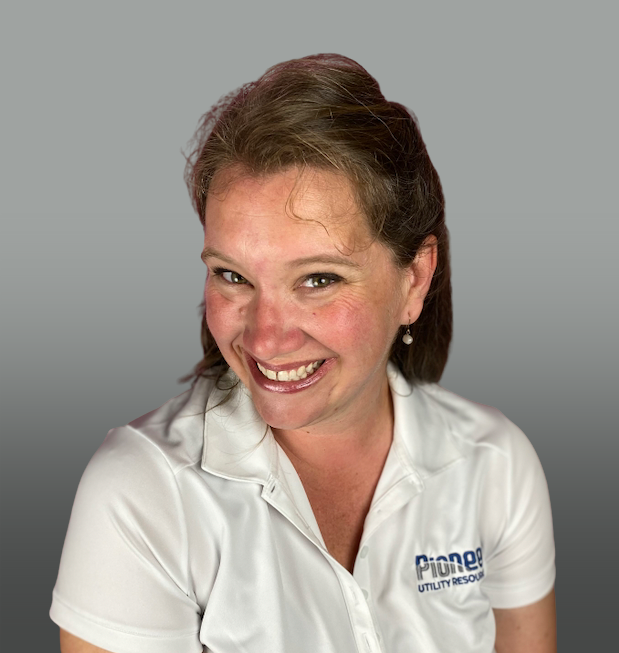
NISC merged with longtime competitor Meridian, bringing 1,500 member utilities under one roof. What does that mean for the marketers who rely on their tech? NISC CEO Doug Remboldt joins “StoryConnect” to unpack the platform conversion timeline, new data tools for targeted campaigns and storytelling resources for Utility Pioneers.
Doug Remboldt
Transcripts are lightly edited for clarity and readability.
Intro: StoryConnect, a Pioneer Podcast, helps you discover ideas to shape your stories and connect with your community. Love this episode? Follow StoryConnect on your favorite podcast platform and YouTube so you don't miss your next great idea.
Megan McKoy-Noe: Data storytelling and the NISC Meridian merger: what NISC CEO Doug Remboldt wants marketers to know. That's what we're talking about on this episode of StoryConnect, A Pioneer Podcast. I'm your host, Megan McKoy-Noe, one of the storytellers at Pioneer Utility Resources, and I am joined by Doug Remboldt, CEO of the National Information Solutions Cooperative, known affectionately by all as NISC. Doug, thank you so much for joining us today.
Doug Remboldt: Megan. It's an absolute honor and privilege to be here. I'm so excited to have this conversation.
Megan McKoy-Noe: Well, I'm excited, and I know folks that I've told that I was going to have this conversation, they got excited too because there's a lot of change. And with communicators, we like to know what's happening, what's coming down the pike, and that's why we invited you on the podcast. In August, it all went down, you know, it was all finalized. NISC merged with Meridian, a long time cooperative tech competitor. And I'm friends with folks on both sides of that, so it was really interesting to watch it happen. Now, Meridian's brand has been retired, and you're leading the combined company under the NISC brand. Together, y'all now serve a combined 1,500 member utilities with both the communications and the public power space, which is really fun. We serve a lot of telcos as well. So it's fun to see how y'all kind of bridge both of those areas. And that's a lot of folks that are powered by co-op tech. I'm a huge co-op fan, so that's exciting. When the merger was announced, you said it would mean expanded resources for members. Can you tell me what those resources look like?
Doug Remboldt: Sure. So, you know, from the very beginning of the discussions about this merger, the premise is if we're going to do this, we have to be better together.
Megan McKoy-Noe: Yeah.
Doug Remboldt: And that has absolutely been the behind-the-scenes driving theme of everything we've done. And so we've spent a lot of time over the last year talking about ways that this combined organization can serve our members better together than we could each one of us on our own. You mentioned, you know, some folks from Meridian and from NISC both. The funnest thing about this merger for me, and I can speak for Chris Haas as well, Meridian CEO, it's been to learn how much alike these organizations are and how many things our members have in common, and how many things our employees have in common. And so when we think about expanded resources, really the whole discussion comes down to focusing our efforts around a single product offering and delivering that to our members. And each independent organization had teams of people responsible for things like helping our members communicate with the end consumer or the end subscriber. When we combine those forces and we start to focus on single product offerings, we literally can bring double the resource to a single initiative. And that's what we're so excited about. Now that all takes a little time. We're not going to have one product overnight. But as an organization –
Megan McKoy-Noe: You didn't bring a magic wand?
Doug Remboldt: Right?
Megan McKoy-Noe: I just thought all CEOs have that. Is that not –
Doug Remboldt: If I did, we'd be having another discussion.
Megan McKoy-Noe: That's true. That's true.
Doug Remboldt: The overarching theme that we've been talking about internally at this combined NISC is one membership, one team and one product. And everything we do gets measured against how we bring ourselves together into those three tenets. And those things don't happen overnight, but every decision you make has to be leading to or supporting that goal. And we know we have a lot of members running legacy UPN on Meridian products, and they're going to be running those for a while. This transition doesn't happen overnight, but when we can bring the efforts of this combined entire organization, it's, you know, we're 1,950 employees, all focused on serving those members that you talked about. And one of the things that I'm so excited about, since the beginning of time, I've been at NISC 36 years. For the entirety of that time, we have had more employees than we have members, and we do that very purposefully. We do that so that we can take care of our members. And when we combined, we have 950 employees that are all focused on taking care of those members that you talked about. And when we focus on one product, one membership, one team, we can do a lot of amazing things, and we can bring more resource to a lot of initiatives that have been understaffed for both organizations.
Megan McKoy-Noe: I love that. So you've got a staff person for every utility, and then some. A person and a half, I like that. You mentioned this, Doug. You've got folks on different platforms. You're calling them legacy, right? Is the goal to eventually have everybody on the same platform as you said, one product? And if so, is there a conversion timeline that you can share?
Doug Remboldt: So the answer to your question very succinctly is yes. Over time, we will have all of our members on one platform. We know that doesn't happen overnight. We know that we have members that are in various stages. Some of them just adopted a new Meridian platform. They're not going to be in a hurry to move to a new platform. And so as an organization, we're very mindful of that, and we will continue to support those platforms, while we're working on bringing the best features of all of these products together.
Megan McKoy-Noe: Is it really kind of like Frankenstein? You're taking the best and creating something that eventually will be even better than what either NISC or Meridian had on their own?
Doug Remboldt: That's absolutely true. So they're, for instance, one of the very first things we're doing. There are some payment options that are available in the UPN and the Meridian products that weren't available in the iVUE the NISC product. We're immediately beginning migrating those features over. And the combined NISC product will have the features that the NISC members were used to, as well as the additional features that the UPN and the Meridian members have come to love.
Megan McKoy-Noe: I like that, so that's going to be a lot of fun seeing that rollout. So there's not a specific timeline. Some folks will still get support as long as they need it.
Doug Remboldt: We're saying that timeline probably looks like seven years. You know, so there's nothing overnight. Nobody's going to have to change their software today. We're going to make sure that members are very comfortable and ready for that process.
Megan McKoy-Noe: I like that. And I know with your background in member support, like you're a big champion of helping folks and taking care of them, are there going to be, you know, if I'm doing this in two years, five years or up to seven years, will there be communication resources to help explain the change to consumers whenever it happens?
Doug Remboldt: Absolutely. That's a big part of what we're focused on as well is, you know, it's a transition for our members, but it's also a transition for the end consumer and the end, you know, the person at the end of the line. And we're making sure that we have a toolkit.
NISC has developed a toolkit to help in that transition process: marketing materials, bill inserts, direct mail, electronic communication. You know, we've got a variety of channels that we can use to engage that end consumer and help them with that transition as well.
Megan McKoy-Noe: Okay. Okay, great. I know MSR talking points is up there on the list for you too, because they're going to be answering lots of questions. Anytime there is a conversion, that's always the entire staff goes through it, and then the consumers go right along with you on the journey.
Doug Remboldt: Absolutely.
Megan McKoy-Noe: Let's switch over to data because I'm a huge data nerd. I married a data architect. That's what my husband does. So I hear about data all the time, and I know that it powers a lot of storytelling. But people, one of the biggest things we've seen at our StoryConnect conferences is that folks aren't aware of all the data that is out there and how best to harness it. So I wanted to ask you how, as an information technology co-op, you've got a lot of data handy. How can marketers take advantage of the data that they have through iVUE and then through the legacy software from Meridian? How can they take advantage of that data for targeted, maybe email or print campaigns?
Doug Remboldt: So by the way, I bet you guys have some interesting dinner conversations about data.
Megan McKoy-Noe: It's fun. It's fun. He'll go off on a tangent and I'm like, "Oh, that's so cool." And he's like, "Really?" I'm like, "Yeah, yeah, it is."
Doug Remboldt: I think Megan, that's the secret to it is first and foremost, for our members to really leverage that data for storytelling, they have to understand the data. And they have to be able to make logical decisions about how best to use the data. That's an area that NISC has been really focused on, and Meridian, and through the data analytics initiatives. And so we have built, from an NISC perspective, we have built a, we call it the enterprise data lake,.and it literally is a representation of all of the data in one spot. And the intention is for analysis for better decision making, we're putting some tools on top of that. We're just about to release our first, and I'm so excited about this, our first natural language query tools for that data. So, you know, our hope is we're trying to empower folks, with the data and not have to involve a data scientist or a BI strategist every time you want to investigate the data, so we're starting with that. And that's really a fundamental piece. From there, the amount of data that we have, that our members and when I say we have, this is not NISC's data. This is our members' data.
Megan McKoy-Noe: Sure.
Doug Remboldt: And we talk very succinctly about the fact that it's not NISC's data; it's our members data. There is so much data there, and there are so many great tools that help us analyze this data, make good decisions, and then we can push all of those things into campaigns, very succinct campaigns, to help either change in consumer behavior, get them interested in a program. You know, the whole marketing aspect in the energy sector didn't exist a few years ago. And the need to be communicating proactively with members is so prevalent. We've got some great tools. We integrate with some third party tools. One of them is called bidgely, which does AI-assisted usage disaggregation. So you can be from an analysis standpoint, either internally or the end consumer, you can disaggregate the usage at a consumer's residence, and it's able to pinpoint some things sometimes that are culprits that can really make a difference. Or it can also help pinpoint those that would be really prime candidates for a given energy resource program.
Megan McKoy-Noe: I love that, and so is that something that folks just have to set up and then like design a campaign that is triggered when it identifies a trend that they can help with. It's so cool. So basically there's a huge data lake. It's like their own private fishing hole, and you're giving folks fishing poles.
Doug Remboldt: Yes. And then we're helping them fish. We'll even bait the hook.
Speaker 4: I love that!
Doug Remboldt: We have a team. Yeah. We have a team of people that's just really focused on helping our members with these things, and we're really excited to do that.
Megan McKoy-Noe: Well, we've had a lot of success working with y'all in the past. I remember a few years ago, Efficiency Services Group, which is a Pioneer company, we worked with Wells REC in Nevada and NISC to build an iVUE module, letting member service reps see homeowner appliance and HVAC system information from on site member audits, which is something that we hadn't done before. We do a lot of home energy audits. And Wells did this for all of their members. I don't know if you heard about this when it happened a few years ago, but it was really cool, and they're still using it. We double checked just to make sure, and they're still using that. Their MSRs can see exactly what's going on in their home when they have questions. So I'm just wondering, how much can a utility customize the type of data that you capture? Because that's new data coming in. It's not something that we would normally ask someone, you know, what type of HVAC system do you have as a new member of our co-op?
Doug Remboldt: We've got ways that we can, we have a great deal of flexibility within the system. And you can define, we use a concept basically called open fields, where you can define categories and track data at that end consumer level. And, those members that are doing those things are finding great results from the data. You know, Wells is a great example. I'm really glad to hear that they're still using that.
Megan McKoy-Noe: I know we were checking in. They're like, yeah, of course we're still using that.
Doug Remboldt: That's awesome. You know, one of the things that that has been really interesting is, you know, an AMI system is not just providing meter readings anymore. It's providing a whole lot of other data, and that data can point to other things that might need investigating, right. And so part of it is helping the consumer be a better consumer. The other part of the data is helping that system either be more reliable or helping that system heal itself. And so when you think about all of the uses for data. NISC has invested heavily in kind of a product offering called operations analytics, and it's all data based as well. And it's doing, it's basically taking a very accurate map of the system and then helping members make proactive decisions on how best to run that system, which is just another good use of the same data a lot of times, right.
Megan McKoy-Noe: And I think folks can be overwhelmed by data sometimes and all the possibilities. So I love what you said about not just giving folks the tools and the fishing rods, but also helping bait. Like having folks that can guide you through what makes the most sense for your utility. How can you use this for marketing campaigns, or to help support your MSRs when questions are coming in? It's important to have guidance, I think, with data, you know. Otherwise you can drown in the lake if you don't know what you're doing.
Doug Remboldt: One of the things I'm so excited about, we're just about to release, we're kind of unveiling it at our member conference in a couple of weeks, but we are just about to release a tool that helps an MSR analyze a bill. And it can take current bills, it can take past bills, and it can through the use of AI, it can analyze and give a summary of what changes might have happened in consumption, what are some possible causes of those consumptions. And so we are really focused on putting better tools into the hands of the folks that are serving the end consumer.
Megan McKoy-Noe: And can you imagine, if you already are developing that capability, then the marketing team can have an email that goes just to folks who have like over a certain threshold of really marked difference from last year to this year. So they're not just calling in, maybe they're just complaining to their friends about the bill, and then they get an email from their utility saying, "Hey, we were looking at this and something's going on. Let's check in. Let's see how you're doing. Let's see if we can help get your bill back to where it should be. Or maybe you've had some big life changes. Let's talk about that."
Doug Remboldt: Or maybe you have a pool pump that's gone crazy.
Megan McKoy-Noe: Yeah, yeah. And help them identify what's going on before three months have gone by, and they still have to pay for all of that.
Doug Remboldt: And you know, we are really focused internally and in tools for our members. We're really focused on the concept of not answering the question, but solving the problem.
Megan McKoy-Noe: Yeah.
Doug Remboldt: And so, you know, the answer to the question is, well, your bill is higher because you used more. But that's not really the problem, right. And so we're really focused on helping solve the problem and not just answer the question.
Megan McKoy-Noe: I love that. Well, I have to tell you, I was talking to some friends, and they are NISC members, and I told them that you and I were going to be getting together. It's very exciting, and it's lovely to get to talk to you. She got really excited as well and she said, she had what she called a "big shiny unicorn question," which is marketing speak for something that if only it's like the magic wand, you know, if only I could figure this out. But she was saying that this has always been a thing for her. How can folks automate consumer notices that are tied to specific iVUE connect workflow steps? Like when something happens in the system, we send this email out automatically. And I've been talking to a lot of folks about this, about member mapping and then sending the right messages at the right time. Does iVUE offer a way for those automatic workflow triggered storytelling? It sounds like you're working towards more of that.
Doug Remboldt: Yeah, we sure are. We do. We absolutely do some of that today. And a good example that I could share.
Megan McKoy-Noe: Yeah.
Doug Remboldt: On the communications side of our business, which many of our members are in the communications business as well. There's a lot of tech work to be done on prem. And one of the things that is really discouraging is for a tech to have an appointment and to show up at the house and have nobody there. And so one of the things we've been able to incorporate into that particular workflow, for instance, is the ability to send out a reminder a day before the appointment with maybe a picture of the tech that's going to be coming to your house. And, you know, an hour before the the appointment, say, "Hey, we're on our way," and those types of things. And they're embedded into the workflow. They're embedded into the service order workflow. And so, we're able to do some of those things today. And we're looking at and working on how we can leverage that in a more universal way as well. So that has been something very important to us. And, we can do some good things now, and there's some good things coming.
Megan McKoy-Noe: Well, and with the combined power of all the employees now that y'all have, I can't wait to see what y'all are able to do with that. The workflow storytelling is going to be amazing. So I can't wait to see how it grows. And it's nice to know the capability is there. I love the fact that you can know who is assigned to it and have their picture included with that, because so many people are worried about scams now, it's just another way to reassure them when you're coming out. So exciting. You've talked about a lot of the things that y'all are going to do, really exciting plans at the MIC that y'all are unveiling. But I'm wondering, you've been doing this for a while, and everybody has the things they wish more people knew about. So for you, what is NISC's most overlooked feature that you just you're like, oh, if only you guys would use this.
Doug Remboldt: This is going to sound strange.
Megan McKoy-Noe: No, bring it on. Come on, I love strange.
Doug Remboldt: It's not a feature in the software.
Megan McKoy-Noe: Sure.
Doug Remboldt: The most overlooked feature that we would love to see more participation in is we do training events literally almost daily. And during those events, we try to tailor these things to very small pieces of information that can be delivered very succinctly. So we will have a training event on a new feature in the software. It's going to last an hour, and by the time you're done with that training event, hopefully you can turn on that feature.
Megan McKoy-Noe: Yeah.
Doug Remboldt: And, I'm not exaggerating when I say I think we had like 85 events in the last 90 days or something. I mean, it's a huge amount of these events. And part of what we are seeing as an organization is, is we are delivering changes faster. We're delivering enhancements faster. And for us, it's very important that we find ways to make sure that our members know about those features and that functionality in the software. And so that's Megan, it's not a feature in the software, but it's about the features in the software.
Megan McKoy-Noe: Well, okay, so you're doing, you've had 85 training events in the last 90 days, but let's say I'm coming in, and I'm new to the system and like, I just need a library of how to's. Is there something like that where it's not just me having to schedule time to meet up with y'all, but I can find a recording of how to do this super easy?
Doug Remboldt: We have several ways that we can help with that. First of all, we have formal training. We have a learning management solution. And you can assign a curriculum to new employees and have them go through some succinct training. In addition to that, we have whole libraries of feature training and other things. One of the things we're doing right now is NISC has an artificial intelligence product, kind of, that we can embed into the solution, and it becomes a wonderful source of gathering the available resources. And so we can point that AI assistant at our community, for instance, and search the community for articles or training events or other things. We can look at libraries of documents. One of the things that's been very helpful there is it's one thing to know how the software works, but you also have to couple that with how you're using it in an individual member office. And there's policies. There's procedures that go along with, you know, there is a disconnect for non-pay policy, for instance. There's a rate policy. There's all of these things. We can put all of those things in this AI assistant. And new employees can literally just query that assistant, "Hey, what can you tell me about the disconnect for non-pay process? How do we do it? How does the software do it?" Those types of things. And so, it's really excited.
Megan McKoy-Noe: It's like your own custom GPT.
Doug Remboldt: Yeah, well, and that's exactly honestly what it is. And our members have the ability within that AI assistant even to determine personally which large language model they want to use. And, it's really getting to be a big part of how we're delivering information for the solution as well as, you know, how to use the solution.
Megan McKoy-Noe: I love that, and I love that the training that y'all are doing is all going into that as well. So folks can learn as y'all are having these training sessions. They can also see the wealth of knowledge that y'all have, and you have an AI assistant with all of the knowledge bases included for their specific utility, which is just amazing, where they can also ask questions there and go back and forth. And you mentioned community. Is they're a really good community where they can ask their peers questions as well?
Doug Remboldt: Absolutely. The NISC community, last number I saw there was about 45,000 active users on it.
Megan McKoy-Noe: Just a few.
Doug Remboldt: And it is a wonderful source, and we have members using it all the time. "Hey, we're thinking about designing this new procedure or this new policy." And, members are so willing to share this information. It's so fun to see. You know, some of those questions, NISC can't answer. You know, they're not about the software. They're about how to accomplish a business task. And, you know, the procedure that goes along with it. Or maybe they're rewriting a policy. The NISC community has great participation from our members.
Megan McKoy-Noe: So you've got 45,000 folks that have been with NISC for a while. Have you seen folks that had historically been with Meridian? Are they starting to join in the community fun as well?
Doug Remboldt: We are. We're just working through the process to integrate them in as well. Part of what we want to do is make sure we have the data curated in a way that makes it applicable to them.
Megan McKoy-Noe: Because they're still going to be on legacy software for a while.
Doug Remboldt: Yeah. So we're working through some of those processes right now.
Megan McKoy-Noe: Nice. Well, I can't wait to watch that community expand and have a lot of fun.
Doug Remboldt: I am looking forward to it.
Megan McKoy-Noe: Well, as the first marketing partner, we were really excited to be the first marketing partner for both NISC and Meridian. It's been a couple years now, but we've had blog posts about how to share your story on bills. Those are places that folks don't always think about, so we walked through how you can do that. The sizing and everything that you need. Opportunities they might not think about. We also include Smart Hub content in our libraries for all of our Pioneer social subscribers. We try to make it easy for folks to find it. Because one of the things we've heard over time is that they just don't know about all the storytelling tools that NISC offers. So can you tell me, is there anything else, print or digital resources that folks might not know about that's there for them?
Doug Remboldt: We have a whole library of those types of tools as well, and they're complimentary to the tools that Pioneer provides. Pioneer, by the way, does such an amazing job of helping convey a message. And we're honored to have you as a partner, by the way. It's really important to us. We have a whole library of tools as well. They are available to our members at any point, and we can make them available to you as well.
Megan McKoy-Noe: Well, and I know I've worked with like I said, I've got friends at both, who've been on the Meridian side and then on the NISC side. And I know, folks have always been so willing to share and willing to help customize everything. It's just letting folks know that it's there. So that's one of the biggest things that we have noticed. So I'm curious, how is the way that folks get those communication resources? Is that changing as the two companies are joining forces?
Doug Remboldt: The best way to gain access to any of those things is through your account manager. Your account manager is not changing. If your UPN or Meridian or NISC, you're still dealing with the same friendly face that you're used to dealing with. And so access to any resources, any questions at NISC that account manager is a great avenue. The support teams are also great avenues for that as well.
Megan McKoy-Noe: I love that, so they can help you out. You can say, "Hey, I need help communicating about this or that." If you're not in the community, they can get you plugged into the community. Love that, so lean into your account manager, attend the training sessions, and take advantage of the bait and the fishing rods that NISC is providing for you with the data. So before I let you go, I just had a question about the process for you because this has been a really big story this year. I remember I was at Meridian getting ready for an APEX presentation when the news came out. And so it's like, this is big. And a big part of the NISC Meridian merger story is how you've been communicating with members and the staff. So it's like letting partners know, letting members at impacted utilities know, and the Meridian staff had questions. I know the NISC staff had questions, but you've really been doing a good job of sharing the story both at conferences this summer, keeping both sets of staff updated through internal comms, and then working with media outlets like coming on the podcast to explain the changes. I'm curious, as CEO, what's been your most effective communication channel or approach to sharing this story?
Doug Remboldt: We have used a lot of different communications channels, and we've tried to provide an awful lot of information. In fact, I did a webinar at one point, and my comment at the beginning was that the focus of this webinar is to answer any questions because we've already told you everything we know. And that's kind of a fun place to be. We have –
Megan McKoy-Noe: Yeah.
Doug Remboldt: We have communicated everything we know. I will tell you, the most effective for us has been to disseminate information in written form. Allow either our members or our partners or our employees to digest that information. And then follow up with town hall type discussions where we can just have a conversation. Because there's a lot of questions that will come out, and they aren't going to come out via an email chat. They're going to come out when you're together. And together in modern day can be many different forms, but those have absolutely been the most effective. They've been the most valuable from a NISC perspective, because we're hearing directly from our stakeholders whether that's our members, our teammates, or our partners. And so one of the very best. It wasn't my idea. I would love to take credit for it, but one of the very best things we did was with our members, we sent out the information, and then we scheduled town hall meetings a week later. We let everyone digest the information, and then we came together, and we recapped the information, but we literally just had question and answer time. And that was that was the most engaging and probably helped us the most.
Megan McKoy-Noe: Were there any crazy questions that you got that you're like, I wouldn't have thought about that.
Doug Remboldt: Yeah, there were a few. There's a lot of technical questions. Obviously, you know, people are wondering how we technically bring things together. There was a few questions about, you know, how do we bring the organizations together? How do we become one team? A few questions about governance and, you know, how is the board going to be structured and all those things. But we had actually, we had spent months documenting every question that we could think of. And then kind of having a, I don't want to say a canned answer, but having a meaningful answer for our members to things they might be asking. And so that preparation actually turned out to be really valuable.
Megan McKoy-Noe: I love that, and I love the fact that the most valuable approach you found was listening and having a conversation, having the back and forth. Because you're right, we too often speak one way and don't let the communication come back and forth.
Doug Remboldt: I'm going to go back to my don't answer the question; solve the problem. It's really easy to answer a question in an email or a text message. It's often very difficult to solve the underlying question. You know, there's always a question behind the question. And a conversation is the best way to solve that.
Megan McKoy-Noe: I love that. Is there anything else you want to share with folks about the merger before we go?
Doug Remboldt: I will just tell you, I am so excited. And the reason that I'm so excited is because I absolutely believe, and we are already seeing how we can deliver more for our members. Our members are everything to us. They deserve an awful lot from us. We're just honestly so excited at the opportunity to expand that partnership and continue to deliver more for our members. So good things ahead.
Megan McKoy-Noe: And I am excited to see them unfold. I know everyone at Pioneer is so. Thank you so much, Doug, for sharing your story with utility pioneers. He is Doug Remboldt from NISC, and I'm your host, Megan McKoy-Noe at Pioneer. And until we talk again, keep telling your story.
Outro: StoryConnect is a production of Pioneer Utility Resources. Send questions to hello@pioneer.coop and learn more about our member-owned marketing agency at pioneer.coop.