Share
We want our stories to reach everyone in the community, but not everyone speaks the same language. According to the United States Census, more than 1 in 5 Americans speaks something other than English at home. For example, Alaska recognizes 20 native languages. In New Mexico, Spanish and several Native American dialects are recognized and taught in schools. To better reflect the diversity of their communities, a growing number of Utility Pioneers are embracing bilingual storytelling.
Translated content often shows up at moments that matter—reading a bill, understanding an outage notice or knowing who to call for help. If a message cannot be understood, it may as well not exist.
“Making content easy to understand is life-changing, especially for families making decisions under stress,” Pioneer Social Media Engagement Specialist Maria Mahoney says. She has social work experience within her local school system.
Should you translate your story? Use local and national data to identify your community’s language diversity, including:
If you find bilingual content needs, it’s time to identify what content you should translate.
Planning content in another language is about access, not convenience. Aim for clarity and localize key terms for the nationality of the audience you’re targeting. Don’t lock into English catchphrases. Instead of translating, aim for “trans-creating” the message, which means recreating the message’s essence even if it’s not a word-for-word translation. Use images and other cues to help convey your message.
When you’re writing about highly technical projects, such as policy updates, infrastructure projects and safety notices, consider creating a lexicon of key terms your team can use consistently.
Translation usually starts with materials you already use:
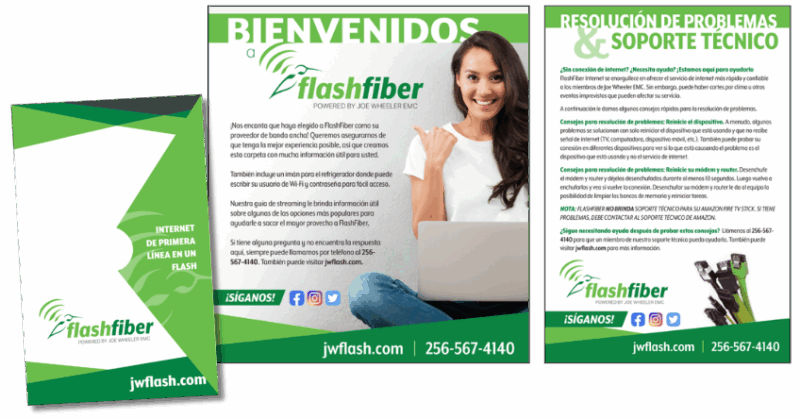
Across formats, the goal stayed the same: Make it clear what the information means and what to do next.
Throughout Currents magazine and other member materials, Kauaʻi Island Utility Cooperative blends English with ʻōlelo Hawaiʻi words. A great example is their Ho’oka’ana Waiwai values statement, as seen in this video.
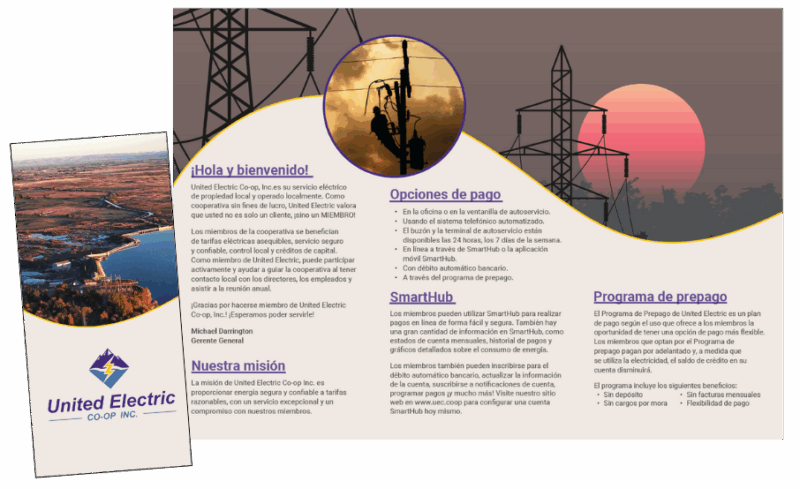
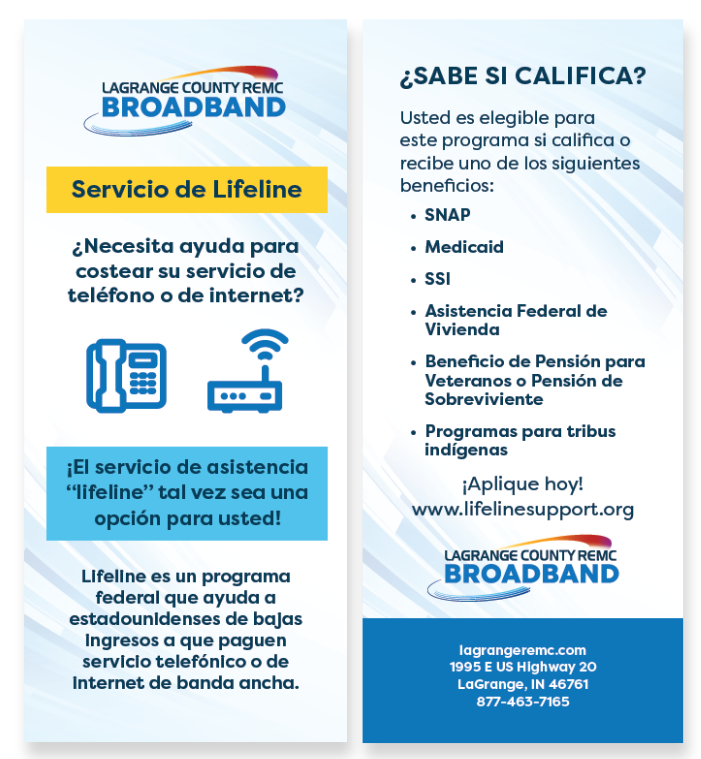
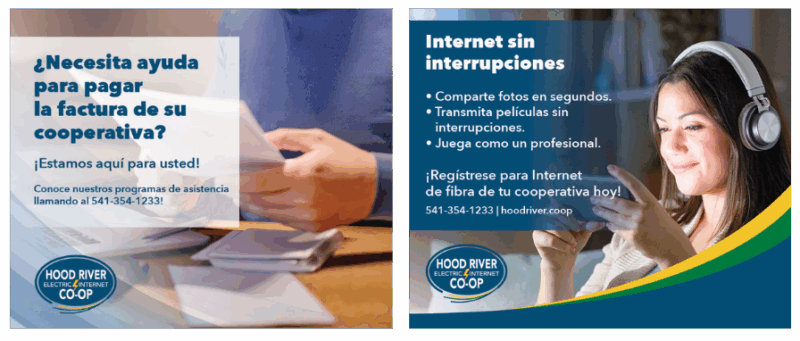
When we talk to Utility Pioneers about bilingual storytelling, cost often comes up, especially for teams without in-house language support. Our advice is to be strategic and not try to do everything at once.
Maria recommends starting with content people rely on most:
Once you have translated content, how do you get it to the right audiences? Start by having printed versions of critical information available at your office. Digital advertising targets by language preference, making distribution easy. If you have the option in your consumer database, track language preferences. By building a list of people who prefer translated content, your bilingual story can grow in the future through emails, magazines and more.
Pioneer’s Vice President of Member Experience Becky Mashburn says starting small is often the only realistic path forward.
“Focus first on information people need to function, then build from there,” Becky says.
When it comes to Spanish, context translates into accuracy. Pioneer Assistant Director of Accounts Will Gaines shares that when no one on the utility staff speaks Spanish, uncertainty can stall storytelling progress. Learning how translation is handled and who’s responsible for accuracy helps build trust and keep projects moving.
Translation doesn’t have to start all at once. Language support is about helping everyone in your community feel informed, included and supported.
When the goal is connection, not quick fixes, even small beginnings can go a long way.